

![Kong Interview Preparation Guide [2025]](https://www.devopstraininginstitute.com/blog/uploads/images/202509/image_430x256_68dbb95326997.jpg)

Top 15 DevOps Mindset Changes for Team Success
Transform your organization and achieve superior team success by embracing the top 15 critical DevOps mindset changes. This guide details the cultural shift required to move from siloed operations to unified, highly collaborative, and continuously improving teams. Learn to focus on flow, systems thinking, blameless accountability, and shared ownership of both code and infrastructure. Adopting these cultural transformations—from prioritizing automation to embracing failure as a learning opportunity—is essential for accelerating delivery, enhancing reliability, and achieving true enterprise agility in the modern software landscape.
Introduction
DevOps is often perceived as a set of tools—Kubernetes, Jenkins, Terraform—but its true power lies not in technology, but in culture. The most significant barrier to successful DevOps adoption is almost always the resistance to change deeply ingrained organizational and individual mindsets. Moving from traditional, siloed structures where "Dev throws code over the wall to Ops" to a collaborative, high-velocity model requires a fundamental shift in how teams think about their roles, responsibilities, failures, and success.
This transformation is not easy; it demands vulnerability, trust, and a shared commitment to systems thinking and continuous improvement. When teams embrace these new mindsets, they unlock massive gains in efficiency, product quality, and employee satisfaction. Silos dissolve, feedback loops accelerate, and the focus shifts from individual heroic efforts to optimized team flow, leading directly to higher throughput and greater stability in production. This cultural foundation is the engine that drives the automated release cadence and reliable delivery.
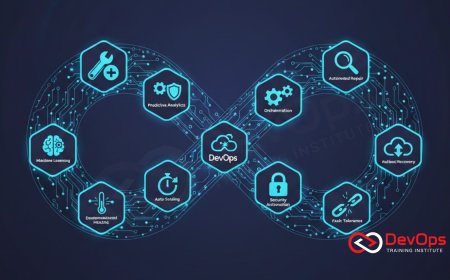
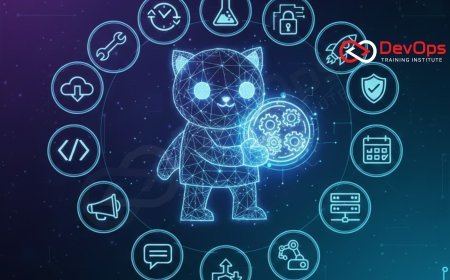
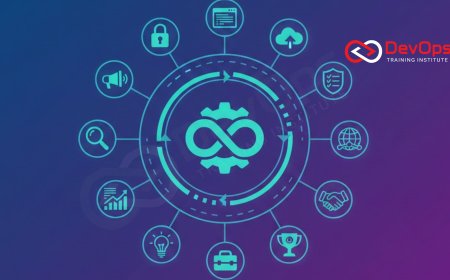
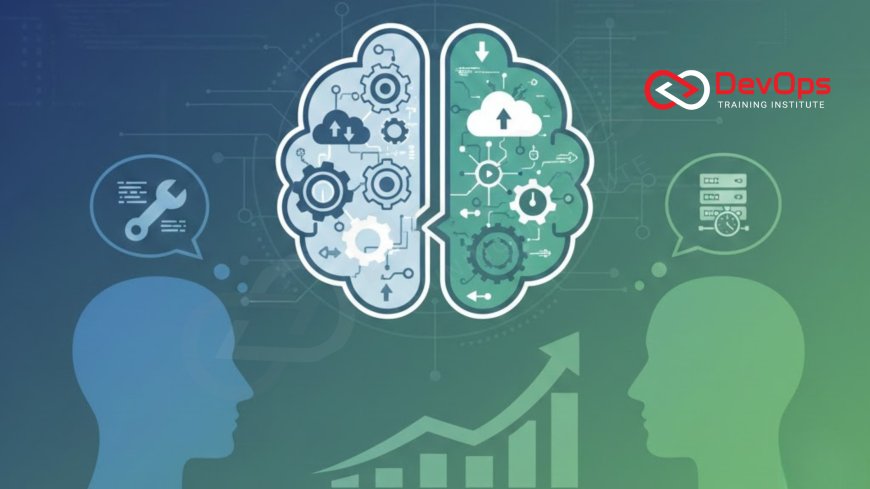
This guide outlines the 15 most crucial DevOps mindset changes that must be adopted by both developers and operations professionals for team success. These shifts are categorized into three core areas—Culture & Collaboration, Automation & Flow, and Resilience & Learning—providing a roadmap for organizational and personal transformation. Embracing these new ways of thinking is the prerequisite for effectively utilizing the powerful tools of DevOps and realizing the full potential of your modern software delivery pipeline. This image illustrates how the mindset supports the continuous process.
Pillar I: Culture and Collaboration
1. Shift from "Siloed Thinking" to "Shared Ownership"
The "Them vs. Us" mentality between Development and Operations must be dismantled. The DevOps mindset dictates that the team shares responsibility for the entire product lifecycle, from concept to retirement. Developers must own their code in production (not just up to the commit), and Operations must contribute to the initial design and coding phase. This shared ownership fosters empathy and accountability across the entire value stream, directly impacting software reliability.
2. Shift from "Blame" to "Blameless Accountability"
Failure is inevitable in complex systems. The traditional response of finding and blaming the individual responsible stifles innovation and hides problems. The DevOps mindset embraces a blameless culture where failure is treated as a learning opportunity. Post-mortems focus on identifying systemic root causes (process, tool, or design flaws), not personal mistakes, allowing teams to openly discuss problems and implement durable solutions. This fosters psychological safety, encouraging transparency and honest reporting of incidents.
3. Shift from "Functional Focus" to "Systems Thinking"
Instead of focusing only on individual tasks (e.g., writing a single function or managing one server), teams must adopt systems thinking. This means understanding how a component integrates with the entire end-to-end value stream, from the customer’s request to the database transaction. Recognizing the dependencies, feedback loops, and potential cascading failures across the distributed system is key to designing resilient architectures and managing complexity effectively, ensuring that optimization in one area does not create a bottleneck in another.
4. Shift from "Manual Handoffs" to "Continuous Flow"
Manual handoffs (e.g., emailing deployment instructions, manually opening tickets for firewall changes) are the largest source of delays and errors. The DevOps mindset prioritizes smoothing the continuous flow of work by automating these handoffs. Work should flow seamlessly through automated pipelines and shared tools, minimizing idle time and eliminating the need for human intervention in repeatable tasks. This focus on flow significantly reduces lead time and improves deployment frequency, aligning technical processes with the speed of business requirements.
5. Shift from "Gatekeeping" to "Security and Quality as Code"
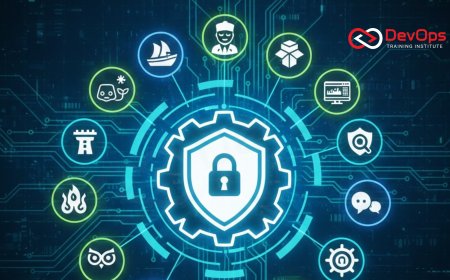
Security and Quality Assurance (QA) teams must move from being final "gatekeepers" to being enablers. They must provide developers with the tools and standards to embed security and quality into the code themselves. This means codifying security policies and tests (SAST, DAST, IaC scanning) and integrating them into the developer's workflow, a practice known as DevSecOps. This shift empowers development teams to own the quality of their releases, making security proactive rather than reactive, and is crucial for maintaining the integrity of the continuous threat modeling process.
Pillar II: Automation and Flow
6. Shift from "ClickOps" to "Everything as Code"
The ultimate goal of the DevOps mindset is to make human intervention in the deployment and provisioning process unnecessary. This requires treating everything as code: application code, infrastructure (configuring SSH keys security in RHEL 10), monitoring, testing, security policies, and documentation. This eliminates configuration drift, ensures repeatability, and allows the entire environment to be version-controlled, reviewed, and tested—the core tenet of GitOps.
7. Shift from "Manual Toil" to "Automation First"
Manual, repetitive, and automatable work (toil) should be viewed as technical debt. The DevOps mindset mandates an automation-first approach: if you have to do something more than once, automate it. Dedicate a portion of engineering time to reducing toil, freeing up engineers to focus on innovative, strategic work, thereby maximizing the utilization of human talent and improving job satisfaction. This principle is directly tied to the SRE concept of managing engineering labor efficiently.
8. Shift from "Mutable Systems" to "Immutable Infrastructure"
Traditional operations involve manually logging into servers and patching or modifying them, leading to configuration drift. The immutable infrastructure mindset dictates that once a component (VM, container, or artifact) is deployed, it is never modified. Any change requires building a new artifact from a clean base, testing it, and replacing the old one. This simplifies deployment, eliminates configuration drift, and significantly improves reliability and security, ensuring environments are consistent.
9. Shift from "Uncontrolled Drift" to "Policy as Code"
Configuration drift, where an environment deviates from its codified state, is a major source of production issues. The DevOps mindset uses Policy as Code (PaC) tools (like OPA or Checkov) to automatically define and enforce governance rules for infrastructure and applications. This prevents non-compliant changes from being deployed and automatically flags or reverts drift, ensuring continuous adherence to security and operational standards. This approach ensures that the live environment always matches the version-controlled definition.
10. Shift from "Tool Overload" to "Integrated Toolchain"
Teams should stop using dozens of disparate, unintegrated tools. The mindset is to focus on a tightly integrated toolchain (CI/CD, IaC, registry, security scanner) that works together seamlessly. This reduces the operational overhead of managing tool integration and ensures that data (metrics, logs, status) flows effortlessly across the delivery pipeline, enhancing overall process efficiency and reducing context switching for engineers.
Pillar III: Resilience and Learning
11. Shift from "High-Risk Deployments" to "Small, Frequent Releases"
Large, infrequent deployments carry massive risk. The DevOps mindset prioritizes small, incremental changes released frequently. Smaller changes are easier to test, troubleshoot, and revert, drastically reducing the blast radius of any potential failure. This frequency enables a more predictable release cadence and strengthens confidence in the pipeline itself, turning deployment from a stressful event into a routine, low-risk process. This principle is directly supported by the practices of Continuous Integration and Continuous Delivery.
12. Shift from "Monitoring Blindness" to "Observable Systems"
Traditional monitoring only tells you if a known error is occurring. The observability mindset is about designing systems to expose rich telemetry (metrics, logs, traces) that allows engineers to understand the system's internal state and ask arbitrary questions, even about unexpected failure modes. This proactive instrumentation ensures that the team has the necessary data to diagnose and respond to novel failures quickly, which is crucial for maintaining service reliability. Understanding the nuances of which observability pillar to use for incident insight is essential.
13. Shift from "Fear of Failure" to "Embracing Chaos"
The mindset of Chaos Engineering means proactively experimenting on the system to find weaknesses before they impact users. This involves deliberately injecting small, controlled failures (e.g., latency, service outages) into the production environment. Embracing this chaos builds confidence in the system's resilience patterns (circuit breakers, fallbacks) and verifies that monitoring and alerting systems actually work, turning potential downtime into validated reliability. This resilience is a key differentiator for elite performers.
14. Shift from "Time to Fix" to "Time to Learn" (Post-Mortems)
While Mean Time to Repair (MTTR) is a critical metric, the DevOps mindset places equal value on Mean Time to Learn (MTTL). After an incident, the focus must shift from simply fixing the bug to documenting the systemic causes in a blameless post-mortem, translating those findings into actionable work items, and sharing the lessons broadly across the organization. This continuous learning loop prevents the same problems from recurring and fuels continuous improvement across all teams.
15. Shift from "Focus on Output" to "Focus on Outcomes"
Output (e.g., lines of code, number of features deployed) is irrelevant if it doesn't deliver measurable business value. The DevOps mindset requires teams to focus on outcomes—metrics that matter to the business, such as customer conversion rate, service availability (SLOs), and revenue per user. By tying engineering efforts to these business metrics, the team ensures that their work is aligned with organizational goals, making technology a strategic asset rather than a cost center. This emphasis on measurable results drives accountability to the user experience and the bottom line.
Conclusion
The cultural revolution of DevOps is captured in these 15 mindset shifts. Success in modern software delivery is not achievable by merely purchasing a new tool; it requires the organization, led by both developers and operations engineers, to embrace shared ownership, blameless accountability, systems thinking, and a profound commitment to automation and flow. This image demonstrates the collaborative culture that drives success.
By moving away from siloed, manual, and risk-averse practices toward integrated, automated, and chaos-aware methods, teams reduce friction and amplify efficiency. The cultural shift from "it's not my job" to "we own the whole thing" is the catalyst that allows the technical practices to deliver their promised results: faster cycle times, higher deployment frequency, and dramatically improved stability. This transformation is the core of modern technical leadership and the path to achieving a resilient and competitive digital infrastructure.
Making these 15 mindset changes is an investment in long-term organizational health and technological leadership. It fosters a continuous feedback loop where learning is institutionalized, toil is eliminated, and security is an integral part of the process, rather than a final roadblock. Commit to these shifts—treat failure as learning, embrace the code-based control of everything, and prioritize outcomes over outputs—to unlock the full potential of your teams and secure sustained success in the high-velocity world of DevOps. This is the enduring foundation that allows the log management best practices and IaC principles to function effectively, driving continuous improvement.
Frequently Asked Questions
What is the difference between "Siloed Thinking" and "Shared Ownership"?
Siloed thinking limits responsibility to one's functional area (Dev or Ops). Shared ownership means the unified team is accountable for the entire application lifecycle, from commit to production runtime.
How does "Blameless Accountability" handle an engineer who causes an outage?
It focuses on finding systemic flaws (process, training, monitoring gaps) that allowed the mistake, not blaming the individual, to implement durable process changes.
What is "Systems Thinking" in the DevOps context?
It means viewing the application and its dependencies (code, infrastructure, network) as a single, interconnected system, understanding how changes in one part affect the whole.
Why is the shift from "Manual Handoffs" to "Continuous Flow" so important?
Manual handoffs introduce delays, communication errors, and friction. Automating these handoffs ensures work flows smoothly and quickly through the pipeline, accelerating delivery speed.
What is the "Everything as Code" mindset?
It is the practice of defining all configurations (infrastructure, tests, security policies, documentation) in version-controlled code, eliminating configuration drift and enabling peer review.
How does the immutable infrastructure mindset improve reliability?
It ensures that no component is ever modified in place; changes require replacing the old component with a new, tested one, preventing configuration drift and simplifying rollback. This is essential for RHEL 10 post-installation checklist consistency.
What is the role of the "Automation First" mindset?
It prioritizes eliminating repetitive manual work (toil) by dedicating time to automation, freeing up engineers for strategic work and reducing human error in operations.
How does the "Embracing Chaos" mindset improve stability?
It involves proactively injecting controlled failures (Chaos Engineering) into the system to test resilience patterns and expose hidden weaknesses before they cause real, user-impacting outages.
What is the shift from "Gatekeeping" to "Security as Code"?
It moves security responsibility to the developer by providing automated tools (SAST, SCA) to enforce policy directly in the code, making security a continuous, non-blocking process throughout the pipeline, enhancing RHEL 10 hardening best practices.
How does the "Policy as Code" mindset address configuration drift?
It uses codified rules to prevent non-compliant infrastructure changes from being deployed and automatically detects and flags deviations from the desired state, ensuring continuous governance.
What are "Feature Flags," and how do they support the resilient mindset?
Feature flags allow features to be enabled or disabled dynamically without redeployment, enabling phased rollouts and instant toggling off of new features if issues are found, minimizing the blast radius.
What does the shift from "Monitoring Blindness" to "Observable Systems" entail?
It means instrumenting code to expose rich metrics, logs, and traces (telemetry) to enable engineers to ask arbitrary questions about the system's internal state, not just predefined health checks. This aligns with the principles of which observability pillar is best for incident insight.
Why should teams focus on "Outcomes" rather than "Output"?
Outcomes (e.g., availability, conversion rate, customer satisfaction) measure business value, whereas output (e.g., commits, features shipped) doesn't guarantee a positive business impact. Focusing on outcomes aligns engineering efforts with organizational goals.
How does the "Time to Learn" mindset relate to blameless post-mortems?
After an incident, the focus is on thoroughly documenting systemic causes and translating them into code/process changes, rather than merely fixing the bug, ensuring continuous systemic improvement in the continuous threat modeling process.
How is the "Integrated Toolchain" mindset more productive than "Tool Overload"?
An integrated toolchain ensures seamless data and flow transfer between tools (e.g., CI/CD, IaC, monitoring), reducing management overhead and context switching for engineers, improving overall system flow and SSH keys security in RHEL 10 for automated deployments.
What's Your Reaction?
 Like
0
Like
0
 Dislike
0
Dislike
0
 Love
0
Love
0
 Funny
0
Funny
0
 Angry
0
Angry
0
 Sad
0
Sad
0
 Wow
0
Wow
0

![100+ Azure DevOps Interview Questions and Answers [Updated 2025]](https://www.devopstraininginstitute.com/blog/uploads/images/202509/image_140x98_68c40aa9a3834.jpg)





![Future Scope of DevOps Careers in Pune [Updated 2025]](https://www.devopstraininginstitute.com/blog/uploads/images/202510/image_140x98_68e3a84652312.jpg)