

![Kong Interview Preparation Guide [2025]](https://www.devopstraininginstitute.com/blog/uploads/images/202509/image_430x256_68dbb95326997.jpg)

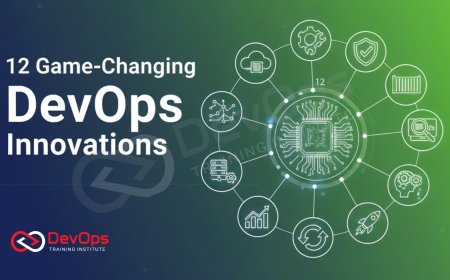

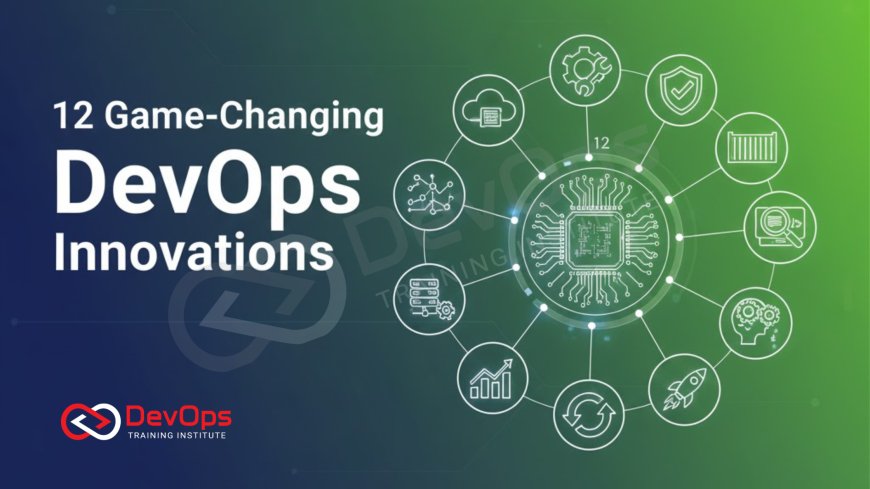
12 Game-Changing DevOps Innovations in 2025
Explore the most significant 12 game-changing DevOps innovations in 2025 that are reshaping the software delivery landscape. From AI-driven autonomous pipelines and advanced platform engineering to the integration of serverless CI/CD and zero-trust security automation, this guide covers the essential trends every professional needs to know. Learn how these breakthroughs improve system reliability, optimize cloud costs, and enhance developer productivity in a rapidly evolving technological era focused on speed and operational excellence.
Introduction to the 2025 DevOps Landscape
The year 2025 marks a definitive turning point for the world of software development and operations. We are no longer just talking about basic automation or simple integration; the focus has shifted toward high-level intelligence and self-managing systems. As organizations face increasing pressure to deliver features at breakneck speeds, the traditional boundaries of the DevOps lifecycle are being rewritten by sophisticated technologies that prioritize both velocity and extreme stability. These innovations are not just incremental updates but are fundamentally altering how teams collaborate and build value.
In this comprehensive look at the 12 game-changing DevOps innovations in 2025, we will explore how artificial intelligence, advanced platform engineering, and specialized financial operations are converging. The goal is to create a seamless flow from code to production where human intervention is reserved for creative problem solving rather than repetitive maintenance. By understanding these shifts, professionals can better prepare for a future where systems are more resilient, secure by design, and optimized for the complex multi-cloud realities of modern enterprise environments.
The Rise of AI-Augmented Autonomous Pipelines
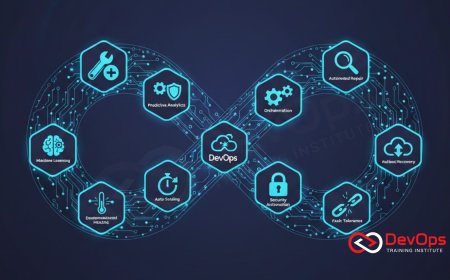
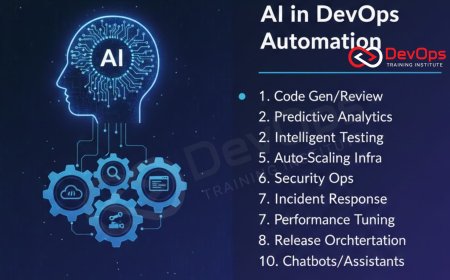
Artificial intelligence has moved past the experimental phase and is now the central nervous system of modern delivery pipelines. In 2025, we see the rise of autonomous pipelines that do not just follow static scripts but actually learn from historical data to optimize their own performance. These systems can predict build failures before they occur by analyzing code patterns and dependency changes, significantly reducing the time developers spend on troubleshooting. This proactive nature ensures that the path to production remains clear of common obstacles.
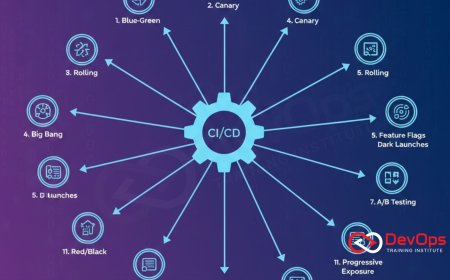
Furthermore, AI-augmented pipelines are now capable of making real-time decisions regarding resource allocation and deployment strategies. For example, if the system detects a potential performance regression, it can automatically trigger a rollback or adjust the weight of a canary release without waiting for human approval. This level of intelligence minimizes downtime and allows for a much higher frequency of releases. By offloading these critical but repetitive decisions to AI, teams can maintain a high standard of quality while moving faster than ever before in competitive markets.
Platform Engineering as a Boardroom Priority
Platform engineering has officially evolved into a strategic business priority rather than a niche technical specialty. Organizations are now investing heavily in internal developer platforms that provide a self-service experience for engineering teams. This innovation focuses on reducing cognitive load by shielding developers from the underlying complexities of cloud infrastructure. Instead of worrying about network configurations or storage volumes, developers can use a "golden path" that is already optimized for security and performance.
The role of platform engineering in 2025 is to build a scalable foundation that supports diverse workloads. This includes providing standardized templates for microservices, automated compliance checks, and integrated observability tools. By creating a unified interface for all internal services, companies can drastically improve their developer experience. This leads to higher retention rates and faster onboarding for new hires, as the platform provides all the necessary tools and guardrails to be productive from day one in a complex environment.
Next-Generation Observability and Predictive Analytics
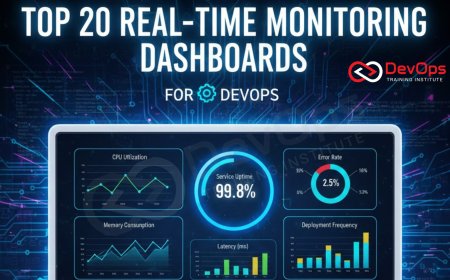
Traditional monitoring, which simply told us when something was broken, is being replaced by advanced observability suites. These next-generation tools use predictive analytics to identify anomalies in system behavior long before they escalate into full-blown outages. In 2025, the distinction between observability and monitoring is clearer than ever, with observability focusing on providing deep context into internal system states through the correlation of logs, metrics, and traces.
With the integration of machine learning, these observability platforms can automatically perform root-cause analysis, saving engineers hours of manual investigation. They can pinpoint the exact line of code or the specific configuration change that caused a performance dip. This allows for a more scientific approach to system reliability, where teams can focus on long-term improvements rather than reactive firefighting. The ability to visualize the entire application lifecycle in real-time provides a level of clarity that was previously impossible in massive, distributed microservices architectures.
Table: Key DevOps Innovations and Their Impact
| Innovation | Core Focus | Business Value | Primary Tooling |
|---|---|---|---|
| Autonomous Pipelines | Self-optimizing CI/CD | Reduced manual toil and faster releases. | GitLab, Harness, Jenkins AI |
| Platform Engineering | Self-service developer portals | Improved developer productivity and standards. | Backstage, Port, Crossplane |
| AIOps Observability | Predictive incident management | Higher uptime and faster troubleshooting. | Datadog, Dynatrace, New Relic |
| FinOps Automation | Cloud cost governance | Reduced cloud waste and budget clarity. | CloudZero, Apptio, Kubecost |
| GitOps 2.0 | Unified state management | Consistent environments across multi-cloud. | Argo CD, Flux, Terraform |
FinOps and Automated Cloud Cost Optimization
As cloud environments become more complex, managing costs has become an integral part of the DevOps workflow. The rise of FinOps in 2025 is characterized by automated governance that prevents overspending before it happens. Instead of waiting for a monthly bill, teams use real-time data to understand how finops practices are impacting their bottom line. Automated scripts can now identify "zombie" resources and shut them down or suggest more cost-effective instance types based on actual usage patterns.
This innovation fosters a culture of financial accountability among engineers. When every developer can see the cost implications of their architectural choices, they are more likely to design efficient systems. Modern platforms integrate cost metrics directly into the IDE or the pull request review process, making cost awareness a natural part of the development cycle. This ensures that the organization can scale its infrastructure sustainably without sacrificing performance or innovative capabilities, aligning engineering efforts with overall business financial goals.
DevSecOps: From Shifting Left to Shifting Smart
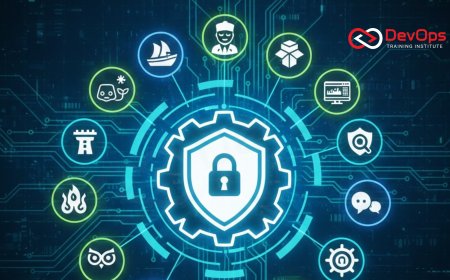
The concept of shifting security left has evolved into a more intelligent approach known as shifting smart. In 2025, security is no longer just a series of gates at the end of a pipeline but a continuous, automated presence. Modern devsecops tools use AI to prioritize vulnerabilities based on their actual exploitability and business context, preventing security teams from being overwhelmed by false positives.
Automated security policy enforcement ensures that every piece of infrastructure and code meets compliance standards from the moment it is created. This includes real-time secrets detection, automated dependency patching, and container image scanning. By embedding security into the very fabric of the development process, organizations can build trust with their customers and regulators. This shift-smart approach reduces the friction traditionally associated with security audits, allowing for high-velocity releases that do not compromise on the safety or integrity of the application.
GitOps 2.0 and Infrastructure State Consistency
GitOps has matured into a comprehensive framework for managing not just Kubernetes but the entire infrastructure stack. In 2025, GitOps 2.0 focuses on maintaining a single source of truth for all environment configurations across hybrid and multi-cloud setups. This innovation ensures that what is defined in your repository is exactly what is running in your production environment, eliminating the risk of configuration drift that often leads to mysterious bugs and security holes.
By leveraging gitops, teams can achieve a high level of auditability and transparency. Every change to the infrastructure is recorded in Git, providing a clear history of who did what and why. This makes rollbacks as simple as reverting a pull request, providing a powerful safety net for operations teams. The automated reconciliation loops constantly monitor the live state and correct any deviations, ensuring that the system is always in its desired, healthy state regardless of the complexity of the underlying cloud provider.
Resilience Engineering and Chaos Automation
Building a resilient system in 2025 requires more than just high-quality code; it requires a system that has been "battle-tested" under controlled conditions. This is where automated resilience engineering comes in, using scripts to deliberately inject faults into a system to see how it handles failure. By understanding chaos engineering, teams can identify hidden weaknesses and build self-healing mechanisms that can survive real-world disasters.
Modern platforms now automate these chaos experiments as part of the standard deployment pipeline. This ensures that every new feature is verified not just for its functional correctness but also for its ability to withstand network latency, server failures, or database outages. This proactive approach to reliability allows organizations to maintain high availability even when operating at a massive scale. It shifts the mindset from avoiding failure to embracing it as a way to learn and improve, ultimately leading to more robust and dependable software for the end user.
- Automated Fault Injection: Regularly testing how services react to unexpected downs or delays.
- Self-Healing Infrastructure: Systems that can automatically restart or redirect traffic during a localized failure.
- Resilience Analytics: Using data from experiments to guide architectural improvements and capacity planning.
- Safety Guardrails: Automated stops that prevent chaos experiments from impacting real user traffic excessively.
Advanced Testing and Shift-Left Quality
Quality assurance is undergoing a radical transformation with the adoption of AI-driven testing tools. In 2025, the focus is on a shift left testing strategy that integrates complex integration and performance tests directly into the early stages of development. AI can now automatically generate test cases based on user behavior patterns and code changes, ensuring that testing coverage is always optimal without requiring massive manual effort from QA engineers.
Furthermore, the use of feature flags has become a standard practice for managing safe continuous deployments. This allows teams to merge code into production while keeping it hidden from users until it has been verified in a live environment. This decoupling of deployment from release provides an ultimate level of control, allowing for granular testing and gradual rollouts. These innovations ensure that the "fast" in DevOps does not come at the expense of "quality," creating a sustainable balance that benefits both the development team and the final customer.
Conclusion
The 12 game-changing DevOps innovations in 2025 represent a holistic shift toward a more intelligent, secure, and developer-centric future. We have seen how AI is no longer an add-on but a core component of autonomous pipelines and observability. Platform engineering has emerged as the foundation of productivity, while FinOps and DevSecOps have introduced critical governance into the heart of the delivery lifecycle. Innovations like GitOps 2.0 and chaos automation have made high-scale resilience a standard expectation rather than an unreachable goal. By embracing these breakthroughs, organizations can navigate the complexities of modern cloud-native environments with confidence, ensuring they remain agile, efficient, and reliable in an increasingly demanding digital world. As these technologies continue to mature, the focus will remain on empowering humans to do their best work by automating away the mundane and the error-prone, setting a new benchmark for what it means to achieve operational excellence in the years to come.
Frequently Asked Questions
What are the top DevOps innovations for 2025?
The top innovations include autonomous AI pipelines, platform engineering portals, advanced FinOps automation, and zero-trust security integration throughout the lifecycle.
How is AI changing the DevOps pipeline in 2025?
AI is enabling self-healing deployments, predictive incident management, and automated test generation, which significantly reduces manual toil for engineering teams.
What is Platform Engineering and why is it popular now?
It involves building internal self-service platforms that standardize workflows and reduce cognitive load for developers, leading to much faster delivery cycles.
How does FinOps help in 2025 DevOps?
FinOps provides automated cloud cost governance, helping teams identify waste and optimize resources in real-time to maintain a sustainable budget.
What is the difference between monitoring and observability?
Monitoring tells you if a system is up, while observability helps you understand why it is behaving a certain way using context.
How does GitOps 2.0 improve multi-cloud management?
It provides a unified source of truth in Git for all configurations, ensuring consistency across different cloud providers and preventing drift.
What is a Shift-Smart approach in DevSecOps?
Shift-smart uses AI to prioritize the most critical security vulnerabilities, allowing teams to fix high-risk issues faster without getting overwhelmed by noise.
Why is Chaos Engineering essential in 2025?
It proactively tests system resilience by injecting controlled failures, helping teams build more robust and self-healing applications before real outages occur.
How do feature flags assist in continuous deployment?
They allow teams to deploy code to production but keep features hidden, enabling safe live testing and gradual releases to users.
What is a Canary Release in modern DevOps?
A canary release involves rolling out new software to a small subset of users first to verify stability before a full rollout.
What is Shift-Left Testing?
Shift-left testing moves quality checks earlier in the development process to find and fix bugs when they are cheapest to resolve.
Is Kubernetes still relevant in 2025?
Yes, Kubernetes remains the backbone of container orchestration, but it is now managed through higher-level platform engineering tools and GitOps.
How does automation reduce "toil" for SREs?
Automation handles repetitive tasks like patching and scaling, allowing Site Reliability Engineers to focus on more strategic, high-value architecture improvements.
What are self-healing systems?
These are systems that can automatically detect errors and take corrective actions, such as restarting a service, without any human intervention.
Can DevOps innovations help with compliance?
Yes, innovations like "Policy as Code" automate compliance checks, ensuring that every deployment meets necessary regulatory standards automatically and consistently.
You can learn more about the evolving landscape of [DevOps trends and tools for 2025](https://www.youtube.com/watch?v=4N_MWAQEzWg), which explains how these technologies are being applied in real-world scenarios.
This video provides a practical look at the specific tools and strategies that are becoming the new standard for high-performing engineering teams this year.
What's Your Reaction?
 Like
0
Like
0
 Dislike
0
Dislike
0
 Love
0
Love
0
 Funny
0
Funny
0
 Angry
0
Angry
0
 Sad
0
Sad
0
 Wow
0
Wow
0


![100+ Azure DevOps Interview Questions and Answers [Updated 2025]](https://www.devopstraininginstitute.com/blog/uploads/images/202509/image_140x98_68c40aa9a3834.jpg)





![Future Scope of DevOps Careers in Pune [Updated 2025]](https://www.devopstraininginstitute.com/blog/uploads/images/202510/image_140x98_68e3a84652312.jpg)