

![Kong Interview Preparation Guide [2025]](https://www.devopstraininginstitute.com/blog/uploads/images/202509/image_430x256_68dbb95326997.jpg)

20 DevOps Tools for Secure Code Delivery
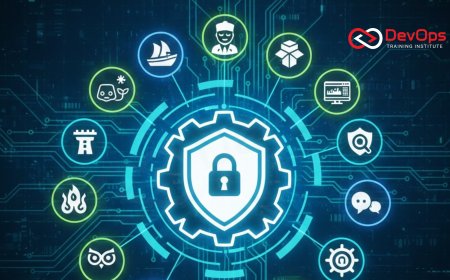
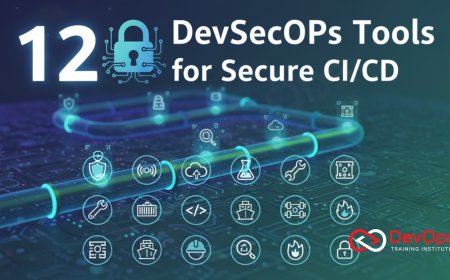
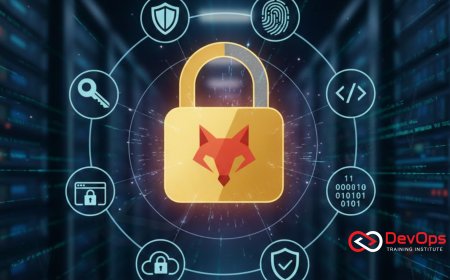
In 2026, the transition from DevOps to DevSecOps is no longer a technical choice but a business imperative. This comprehensive guide details twenty essential DevOps tools for secure code delivery, covering every critical stage from static code analysis and software composition to container security and automated secret scanning. Learn how to implement "shift-left" security patterns that catch vulnerabilities at the pull request stage, integrate AI-augmented remediation for faster patching, and maintain a robust software bill of materials (SBOM). Whether you are a lead engineer or a CISO, these professional insights into the modern DevSecOps landscape will empower your team to build a resilient and compliant delivery pipeline that protects your digital assets without sacrificing velocity in today's high-stakes software market.
Introduction to Secure Code Delivery in 2026
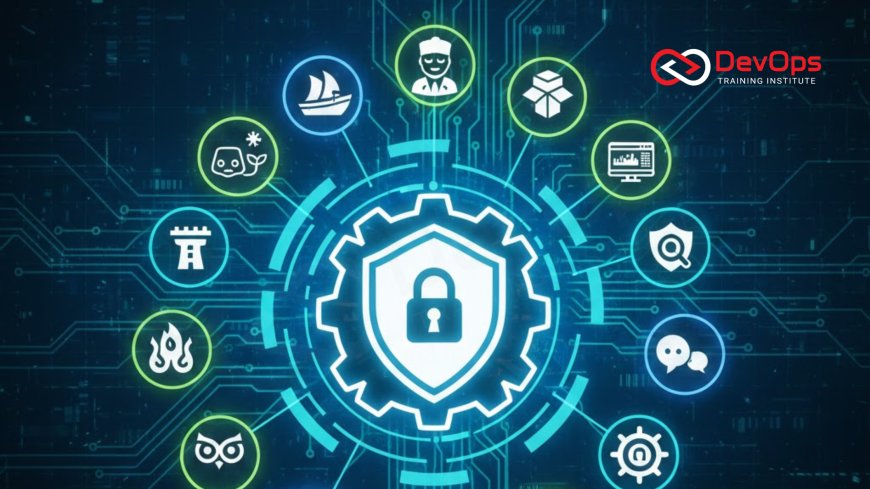
As we navigate through 2026, the traditional boundaries between development, operations, and security have largely dissolved. Secure code delivery is no longer a final checkpoint but a continuous process embedded into the very heartbeat of the software delivery lifecycle. With global regulations tightening and cyber threats becoming more sophisticated, organizations must adopt a "security-by-design" approach. This involves leveraging a specialized toolchain that provides continuous synchronization between code changes and security audits, ensuring that every commit is verified for vulnerabilities long before it reaches a production cluster.
The rise of AI-augmented DevOps has significantly shifted the landscape, enabling predictive threat modeling and automated remediation that can fix common bugs in real-time. This guide explores twenty essential tools that define the state-of-the-art in secure code delivery. These tools are categorized into functional areas like Static Application Security Testing (SAST), Software Composition Analysis (SCA), and Infrastructure as Code (IaC) security. By mastering this technical stack, your engineering team can build a "paved road" to production that is as secure as it is fast, protecting your valuable digital assets and maintaining user trust in an increasingly automated world.
Static Application Security Testing (SAST) Tools
Static Application Security Testing (SAST) is the first line of defense in a secure pipeline, analyzing source code or bytecode for security flaws without executing the program. In 2026, the best SAST tools are "developer-first," providing real-time feedback directly within the IDE or as inline comments on a pull request. This shift-left approach allows engineers to identify and fix insecure coding patterns—such as SQL injection or buffer overflows—during the initial development phase, which is significantly more cost-effective than fixing them after a breach has occurred in production.
Modern SAST solutions like Snyk Code and SonarQube now incorporate AI to reduce false positives and suggest automated fixes. For instance, an AI-powered agent can identify a vulnerable data flow and automatically generate a patch PR to sanitize the input. By utilizing AI augmented devops toolchains, these tools have become 50x faster than their predecessors, enabling deep semantic analysis that was previously too slow for high-velocity teams. This ensures that security checks are a helpful assistant to the developer rather than a bottleneck that stalls the delivery process.
Software Composition Analysis (SCA) for Supply Chain Security
Modern applications are built on a foundation of open-source libraries, which can introduce hidden risks through the software supply chain. Software Composition Analysis (SCA) tools are designed to scan these dependencies for known vulnerabilities (CVEs), license compliance issues, and outdated packages. In the 2026 landscape, a key requirement for any SCA tool is the ability to generate a comprehensive Software Bill of Materials (SBOM), which provides an immutable record of every third-party component used in a specific build, supporting global regulatory compliance.
Tools like Trivy and Mend.io have become industry standards for their ability to not only detect vulnerabilities but also perform reachability analysis. This tells you if a specific vulnerable function in a library is actually being called by your code, allowing you to prioritize critical fixes and reduce "alert fatigue." By integrating secret scanning tools alongside SCA, you can detect if a third-party package is attempting to exfiltrate credentials. This proactive approach to dependency management is essential for maintaining a secure and stable technical foundation in a world of complex software interdependencies.
Infrastructure as Code (IaC) and Container Security
As infrastructure becomes software-defined, the risk of misconfiguration has skyrocketed. IaC security tools scan templates like Terraform, Helm, and CloudFormation for insecure settings—such as open S3 buckets or overly permissive IAM roles—before the infrastructure is even provisioned. This ensures that your cloud architecture patterns are secure by default. Simultaneously, container security tools inspect Docker images for vulnerabilities in the OS layer and monitor running workloads for runtime anomalies, such as unexpected process execution or privilege escalation.
Tools like Checkov and Prisma Cloud provide deep code-to-cloud visibility, allowing you to trace a runtime security incident back to the specific line of IaC code that caused it. By utilizing admission controllers in your Kubernetes clusters, you can automatically block any container image that doesn't meet your security policy. This level of automated governance ensures that your production environment remains a "hardened" zone, protecting your cluster states from lateral movement and ensuring that your continuous synchronization efforts only deliver compliant and secure configurations.
Summary of Top 20 Secure Code Delivery Tools
| Tool Name | Category | Primary Security Benefit | Best For |
|---|---|---|---|
| Snyk | SAST / SCA | Developer-first scanning & fixes | Lean DevOps teams |
| Trivy | SCA / Container | Fast, CLI-first vulnerability scans | CI/CD automation |
| GitHub Advanced Security | Unified Platform | Native CodeQL & Secret scanning | GitHub-native orgs |
| Jit.io | Orchestration | Centralized security toolchain | Managing tool sprawl |
| Checkmarx One | SAST / DAST | Deep scans for legacy & modern code | Enterprises & Compliance |
| Aikido Security | Unified Platform | Code-to-Cloud AI triage & fixes | Startups & Scaleups |
| SonarQube | SAST / Quality | Deep static analysis & clean code | Quality-focused teams |
| Prisma Cloud | CNAPP | Full lifecycle multi-cloud security | Regulated Enterprises |
| Semgrep | SAST / OSS | Customizable rule-as-code scanning | Specific language security |
| OWASP ZAP | DAST | Automated dynamic runtime testing | Web app penetration testing |
Unified DevSecOps Platforms and Orchestration
Managing twenty separate security tools can quickly lead to "alert fatigue" and fragmented visibility. Unified DevSecOps platforms like GitLab Ultimate and Jit.io address this by orchestrating multiple scanners into a single dashboard. These platforms act as a "command center" for your security posture, correlating data from SAST, SCA, and IaC tools to provide a holistic view of risk. By utilizing ChatOps techniques, these platforms can deliver prioritized security alerts directly to the team's communication channels, facilitating rapid coordination and response.
These orchestration layers are critical for maintaining high velocity because they automate the triage and ticket creation process. If a critical vulnerability is found, the platform can automatically create a Jira ticket or a Slack alert, ensuring that no risk goes unaddressed. This allows your team to focus on the 20% of risks that matter most while the platform handles the 80% of routine noise. Choosing cloud architecture patterns that support these unified platforms ensures that your security efforts remain scalable and effective as your organization grows globally.
Continuous Verification and Post-Deployment Security
Secure code delivery doesn't end with a successful deployment. Continuous verification is the practice of monitoring the live system to ensure that its security posture remains intact even after the rollout. This involves using Dynamic Application Security Testing (DAST) tools like Burp Suite to probe running applications for vulnerabilities exposed in the runtime environment. By integrating continuous verification feedback loops, teams can catch "silent" security regressions that only manifest under real-world traffic conditions.
Post-deployment security also includes Runtime Protection tools like AccuKnox, which use technologies like eBPF to monitor system calls and detect privilege escalations or lateral movement in real-time. This "zero-trust" approach to the production environment ensures that even if an attacker manages to bypass early defenses, their actions are detected and blocked before they can cause widespread damage. By mastering these post-deployment techniques, you create a truly resilient technical ecosystem where security is a constant and vigilant guardian of your digital operations.
Checklist for Building a Secure Code Delivery Pipeline
- Shift Security Left: Integrate SAST and SCA tools directly into the IDE and pull request process to fix issues during development.
- Automate Secret Scanning: Use tools like Gitleaks or GitHub Secret Scanning to prevent credentials from ever being committed to your repository.
- Verify Every Build: Every CI/CD run should include a vulnerability scan for dependencies and container images before it is allowed to progress.
- Enforce Admission Control: Use admission controllers to ensure only signed and scanned images are running in your production clusters.
- Maintain an SBOM: Generate a Software Bill of Materials for every release to track third-party risks and meet regulatory compliance requirements.
- Continuous Monitoring: Use DAST and Runtime Protection tools to ensure your system remains secure against new threats after deployment.
- Foster a DevSecOps Culture: Empower those who drive cultural change to prioritize security as a shared responsibility across the entire engineering organization.
Success in secure code delivery is a journey of continuous improvement. By integrating these twenty tools and following this checklist, you can build a technical foundation that is as secure as it is agile. As you refine your pipeline, stay informed about release strategies that allow for safe and secure rollbacks if a new vulnerability is discovered. Ultimately, the goal is to create a seamless delivery process where security is an invisible but absolute guardian of your innovation and growth in the competitive digital landscape.
Conclusion: Your Roadmap to DevSecOps Excellence
In conclusion, the twenty DevOps tools discussed in this guide provide a comprehensive roadmap for achieving secure code delivery in 2026. From the developer-first approach of Snyk and SonarQube to the deep orchestration of GitLab and Prisma Cloud, each tool plays a vital role in building a resilient and compliant delivery pipeline. By automating your security gates and leveraging AI-augmented remediation, you can eliminate manual bottlenecks and ensure that your software is protected from code to cloud. This technical excellence is what allows modern engineering teams to ship with confidence and speed.
As you move forward, remember that the most successful DevSecOps practices are those that prioritize the developer experience and shared responsibility. Staying informed about containerd vs docker trends and modern GitOps workflows will ensure that your security efforts remain relevant and effective. By embracing these twenty tools today, you are positioning your organization for long-term success in a world where security is the primary benchmark for engineering performance. Start by identifying your biggest source of risk, apply a specialized tool, and build your way toward a world-class secure delivery practice.
Frequently Asked Questions
What is the primary goal of secure code delivery?
The goal is to integrate automated security checks throughout the CI/CD pipeline to identify and remediate vulnerabilities before they reach production.
What is the difference between SAST and DAST?
SAST analyzes the source code before it is run, while DAST tests the running application by simulating attacks from the outside environment.
Why is Software Composition Analysis (SCA) important for security?
SCA scans open-source libraries for known vulnerabilities, helping you manage the risks associated with the third-party components in your software supply chain.
What is a Software Bill of Materials (SBOM)?
An SBOM is a structured record of all components and dependencies used in a software build, essential for tracking supply chain security and compliance.
How does AI improve modern DevOps security tools?
AI helps by significantly reducing false positives, prioritizing critical risks based on context, and suggesting automated code fixes for found vulnerabilities.
What role do admission controllers play in Kubernetes security?
Admission controllers intercept requests to the API and can reject any containers that don't meet your security, signing, or image-scanning policies.
Can I automate the remediation of security vulnerabilities?
Yes, many modern tools can automatically generate pull requests to upgrade vulnerable libraries or patch insecure code patterns with a single click.
What is secret scanning and why should I use it?
Secret scanning detects hardcoded API keys or passwords in your code, preventing sensitive credentials from being leaked in your Git repositories.
How does GitOps improve secure code delivery?
GitOps uses Git as the single source of truth, ensuring that any infrastructure or application change is code-reviewed and automatically synchronized for security.
What is shift-left security in simple terms?
Shift-left security means moving security testing to the earliest possible stage of the development cycle to find and fix issues faster.
Is it safe to run security scans in every pull request?
Yes, modern tools are fast enough to provide real-time feedback without slowing down the developer's workflow or the CI/CD pipeline significantly.
What is a unified DevSecOps platform?
It is a single tool that orchestrates multiple security functions—like SAST, SCA, and IaC—into a centralized dashboard for holistic risk management.
How do security gates impact deployment velocity?
If automated and well-integrated, security gates protect the quality of the release without significantly slowing down the delivery of new features.
Can I use open-source tools for secure code delivery?
Absolutely, tools like Trivy, Semgrep, and OWASP ZAP offer powerful open-source versions that are widely used by professional DevOps teams worldwide.
What is the first step in starting a DevSecOps journey?
The first step is usually implementing automated SAST or secret scanning in your CI/CD pipeline to catch the most obvious security risks early.
What's Your Reaction?
 Like
0
Like
0
 Dislike
0
Dislike
0
 Love
0
Love
0
 Funny
0
Funny
0
 Angry
0
Angry
0
 Sad
0
Sad
0
 Wow
0
Wow
0

![100+ Azure DevOps Interview Questions and Answers [Updated 2025]](https://www.devopstraininginstitute.com/blog/uploads/images/202509/image_140x98_68c40aa9a3834.jpg)





![Future Scope of DevOps Careers in Pune [Updated 2025]](https://www.devopstraininginstitute.com/blog/uploads/images/202510/image_140x98_68e3a84652312.jpg)