

![Kong Interview Preparation Guide [2025]](https://www.devopstraininginstitute.com/blog/uploads/images/202509/image_430x256_68dbb95326997.jpg)


12 Cloud-Native DevOps Trends to Watch in 2026
Stay ahead of the competition by exploring the twelve most influential cloud native DevOps trends set to redefine software engineering in twenty twenty six. This comprehensive guide provides expert analysis on emerging technologies like AI augmented toolchains, platform engineering, and the shift toward autonomous, self healing pipelines. Discover how organizations are integrating FinOps, GreenOps, and advanced DevSecOps to balance speed with cost efficiency and sustainability in a complex multi cloud world. Whether you are a technical leader or a hands on engineer, understanding these high impact trends will empower your team to build more resilient, secure, and scalable systems that drive measurable business value in today’s rapidly evolving digital landscape.
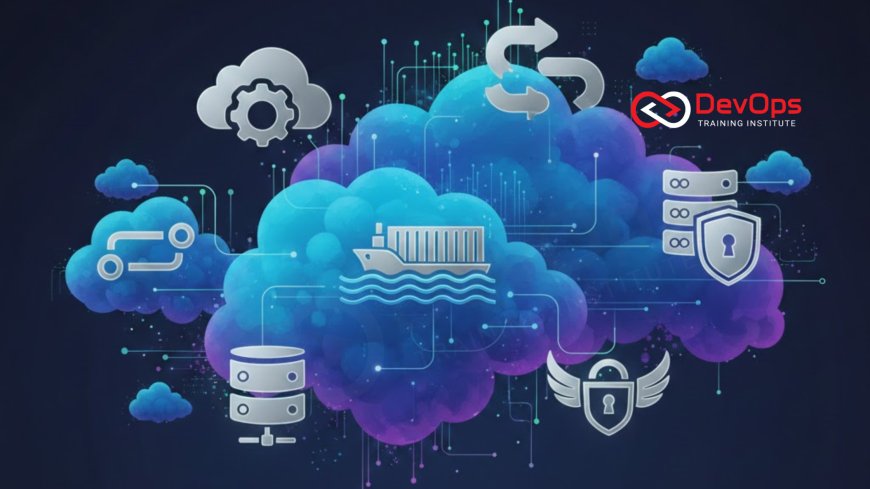
Introduction to the Cloud-Native Era of 2026
As we enter twenty twenty six, the DevOps landscape has moved far beyond simple automation. The integration of advanced cloud native architectures and artificial intelligence has transformed software delivery into a highly intelligent, self optimizing ecosystem. Organizations are no longer just looking to "go faster"; they are striving for autonomous pipelines that can anticipate failures and remediate issues without human intervention. This shift represents the culmination of years of containerization and orchestration, now enhanced by the predictive power of machine learning and the standardized efficiency of platform engineering.
In this new era, the focus has shifted from managing tools to designing resilient systems that prioritize the developer experience. Technical leaders are increasingly investing in internal platforms that abstract away complexity, allowing engineering squads to focus on core business logic rather than infrastructure hurdles. As we explore the twelve defining trends of twenty twenty six, we see a clear pattern: a move toward maturity, security by design, and a deep commitment to operational excellence. Understanding these shifts is vital for any professional aiming to navigate the complexities of modern software development and lead their team to success in a global, digital first economy.
The Rise of AI-Augmented DevOps Toolchains
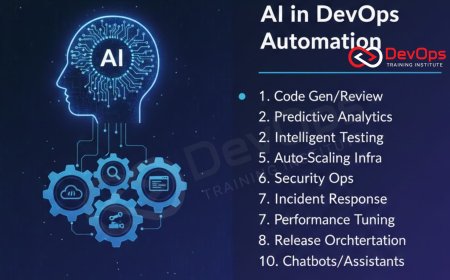
One of the most transformative trends in twenty twenty six is the widespread adoption of AI augmented devops toolchains. AI is no longer a bolt on feature; it is deeply embedded in every stage of the lifecycle, from code generation to incident response. Generative AI assistants now help developers write secure, optimized code while simultaneously predicting potential build failures before they occur. This proactive approach significantly reduces the time spent on manual troubleshooting and allows teams to maintain a high velocity without compromising on the quality of their releases.
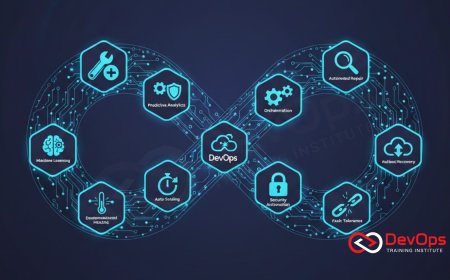
Beyond code creation, AIOps is revolutionizing how we monitor and maintain our systems. By analyzing massive streams of telemetry data, AI models can surface hidden patterns and predict performance bottlenecks before they affect the end user. This shift from reactive to predictive operations is a game changer for site reliability engineering. It enables the creation of self-healing infrastructure where the system can automatically adjust resources or restart services in response to detected anomalies. As these tools become more sophisticated, the role of the DevOps engineer is evolving into that of an AI orchestrator, focusing on training and governing these intelligent systems rather than manual scripting.
Platform Engineering as the New Operating Model
Platform engineering has officially become the backbone of modern software delivery in twenty twenty six. With nearly eighty percent of engineering organizations now relying on Internal Developer Platforms (IDPs), the goal is to provide a "paved road" for developers. These platforms offer a curated, self service environment that standardizes how teams provision infrastructure, deploy services, and monitor their applications. By reducing the cognitive load on individual engineers, platform engineering significantly boosts productivity and ensures that best practices for security and compliance are followed by default across the entire organization.
This trend marks a shift away from fragmented, team specific toolchains toward a unified, product centric approach to infrastructure. Platform teams treat the IDP as a product, continuously refining it based on developer feedback and business requirements. This leads to a more consistent developer experience and a drastic reduction in the time it takes to onboard new team members or launch new projects. Furthermore, by centralizing common services like logging, tracing, and identity management, organizations can gain better visibility into their technical debt and infrastructure costs, enabling more informed decision making at the leadership level.
Continuous Verification in Adaptive Feedback Loops
In the fast paced world of twenty twenty six, traditional testing is no longer sufficient to ensure deployment quality. Enter continuous verification, a practice that extends quality assurance into the production environment. Unlike static tests that run during the build phase, continuous verification constantly monitors the live system to ensure it is meeting its performance and reliability targets. This adaptive feedback loop allows for real time validation of every change, ensuring that a successful deployment doesn't turn into a silent failure later in the day due to unexpected environmental factors or user behavior.
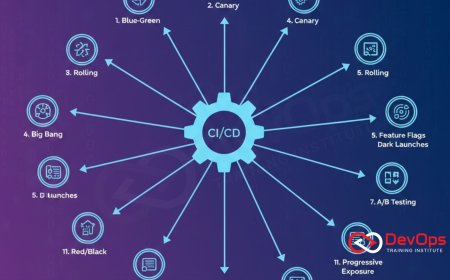
By integrating continuous verification into the deployment pipeline, teams can implement sophisticated release strategies like automated canary analysis with high confidence. The system can automatically compare the behavior of a new version against the stable baseline and trigger an immediate rollback if any metrics deviate from the norm. This level of automation is essential for managing the complexity of modern microservices and serverless architectures. It ensures that the feedback loop between development and operations is truly closed, providing engineers with the data they need to continuously improve their code and the overall resilience of the system.
Key Cloud-Native Trends for 2026 Comparison
| Trend Name | Primary Focus | Key Technology | Business Value |
|---|---|---|---|
| AIOps | Predictive Operations | Machine Learning Models | Reduced Downtime |
| GitOps | State Synchronization | ArgoCD / Flux | Deployment Consistency |
| Platform Eng. | Developer Productivity | Backstage / IDPs | Faster Time-to-Market |
| FinOps | Cost Optimization | Cloud Cost Analyzers | Budget Control |
| DevSecOps 2.0 | Supply Chain Security | SBOM / Policy-as-Code | Enhanced Compliance |
GitOps Evolution and Cluster Synchronization
GitOps has matured from a niche Kubernetes pattern into the default model for managing infrastructure and application state in twenty twenty six. This approach uses Git as the single source of truth, where automated controllers maintain continuous synchronization between the repository and the live environment. By making all changes through pull requests, teams gain a complete audit trail and the ability to instantly roll back to any previous state. This level of transparency is essential for meeting the strict regulatory and compliance requirements that now shape technical roadmaps across all industries.
The latest evolution of GitOps involves multi-cluster and multi-cloud synchronization, allowing organizations to manage a global footprint of clusters from a single point of control. Advanced GitOps tools now feature AI assisted diff summaries and automated conflict resolution, making it easier for large teams to collaborate on complex configurations. This ensures that cluster states remain consistent across development, staging, and production environments, eliminating the "it worked on my machine" problem. As GitOps becomes more integrated with policy as code, it serves as a powerful engine for both operational agility and technical governance in a cloud native world.
The Expansion of FinOps and GreenOps
As cloud spend becomes a top priority for technical leaders, FinOps has emerged as a critical discipline within the DevOps lifecycle. By twenty twenty six, every scaling policy and architectural decision is tied to unit cost metrics, ensuring that the business gains maximum value from its technology investments. DevOps teams are now responsible for optimizing resource utilization not just for performance, but for fiscal responsibility. This involve the use of automated cost analyzers that can suggest right sizing for cloud architecture patterns or identify unused resources that can be safely decommissioned to save budget.
Alongside FinOps, GreenOps is gaining significant traction as companies face increasing pressure to report on their environmental impact. GreenOps focuses on reducing the carbon footprint of IT operations by choosing energy efficient regions, optimizing code for lower CPU cycles, and utilizing carbon aware scheduling for non critical background tasks. This trend reflects a broader shift toward sustainable technology where efficiency is measured in both dollars and grams of CO2. Integrating these metrics into the standard DevOps dashboard allows teams to make ethical and cost effective choices that resonate with modern customers and socially responsible investors.
Who Drives Cultural Change in 2026?
The success of these technical trends relies heavily on who drives cultural change within the enterprise. In twenty twenty six, leadership has shifted from a "command and control" style to a "coach and guide" approach, empowering cross functional engineering squads to own their outcomes from code to cloud. This cultural evolution is characterized by shared responsibility, transparent communication, and a focus on blameless retrospectives. When everyone from the developer to the security professional is aligned on business goals, the organization can move with unprecedented speed and resilience.
- Engineering Squads: Small, cross functional teams that blend dev, ops, and security expertise into a single delivery engine.
- Platform Advocates: Specialists who treat internal developer platforms as products, focusing on the human factor of technical adoption.
- Security Champions: Developers who lead the admission controllers and DevSecOps initiatives within their respective product teams.
- Business-Aligned Leaders: Executives who prioritize technology investments based on measurable DevEx and business outcome KPIs.
- SRE Facilitators: Reliability experts who focus on training AI models and improving the predictive capabilities of the observability 2.0 stack.
This decentralized ownership model ensures that innovation is an ongoing rhythm rather than a single event. By fostering a culture of co creation and continuous learning, organizations can bridge the skills gap and retain top talent in a competitive market. The integration of ChatOps techniques and AI powered communication tools further breaks down silos, providing real time insights that keep everyone aligned. Ultimately, the cultural shift toward autonomy with accountability is what allows the intelligent, cloud native ecosystems of twenty twenty six to thrive and deliver consistent value to the business and its customers alike.
Conclusion: Navigating the Future of DevOps
In conclusion, the twelve cloud native DevOps trends of twenty twenty six paint a picture of an industry that has matured into a sophisticated, AI driven ecosystem. From the rise of platform engineering and IDPs to the integration of sustainable GreenOps and predictive AIOps, the focus is firmly on intelligence, security, and efficiency. By embracing these trends, organizations can build systems that are not just fast, but also resilient, auditable, and cost effective. The move toward autonomous pipelines and shared security responsibility marks the beginning of a new chapter where technology directly shifts business outcomes with unprecedented precision.
As you prepare for the challenges of twenty twenty six, remember that the most successful teams will be those that balance advanced automation with human judgment. Staying informed about release strategies and the latest Kubernetes developments will be key to maintaining your competitive edge. Use ChatOps techniques to improve collaboration and transparency within your engineering squads. By prioritizing the developer experience and building on a solid foundation of continuous verification, you can navigate the complexities of the cloud native future and drive meaningful innovation for years to come.
Frequently Asked Questions
What is the most significant DevOps trend for 2026?
The integration of AI into every stage of the lifecycle, known as AIOps, is the most transformative trend driving predictive operations today.
How does platform engineering improve developer productivity?
It provides a standardized, self-service Internal Developer Platform that abstracts away infrastructure complexity, allowing developers to focus strictly on code creation.
What is the difference between observability and observability 2.0?
Observability 2.0 uses AI and ML to correlate logs, metrics, and traces, providing predictive insights rather than just reactive alerts for teams.
Why is GitOps becoming the default for cluster management?
GitOps ensures that the live cluster state always matches the version-controlled configuration in Git, providing a clear audit trail and easy rollbacks.
What is the role of continuous verification in 2026?
It constantly validates that the production environment meets performance and reliability goals, catching issues that traditional testing might miss during the rollout.
How do FinOps and GreenOps relate to each other?
FinOps focuses on cloud cost optimization, while GreenOps focuses on reducing carbon footprint; both aim for higher operational efficiency and technical responsibility.
What are "engineering squads" in the 2026 DevOps model?
They are cross-functional, autonomous teams that own the entire delivery process from idea to deployment, breaking down traditional silos between departments.
How does serverless architecture simplify DevOps workflows?
Serverless eliminates backend server management, allowing for instant scaling and event-driven deployments with significantly lower operational overhead for the entire engineering team.
What is DevSecOps 2.0 and how does it differ?
DevSecOps 2.0 emphasizes automated supply chain security, policy-as-code, and continuous compliance as integrated components of the delivery pipeline from the start.
Will AI eventually replace DevOps engineers in the future?
No, AI will augment their capabilities by handling repetitive tasks, allowing engineers to focus on higher-level system design, strategy, and creative problem-solving.
How can small teams adopt these advanced 2026 trends?
Small teams can start by leveraging managed cloud services and adopting platform engineering tools to achieve enterprise-grade automation with minimal internal overhead.
What is the "Credential as Compute" concept in DevOps?
It refers to the shift where managing access and identity becomes the primary way to control and secure decentralized cloud resources and services.
How do admission controllers enhance security in Kubernetes?
They intercept requests to the API server and enforce organizational policies, preventing misconfigured or insecure containers from being deployed into the cluster environment.
What are the benefits of using containerd instead of Docker?
Containerd is a more lightweight and efficient runtime, offering better performance and lower resource overhead for production-grade Kubernetes clusters in 2026.
How can I stay updated on these evolving DevOps trends?
Follow industry research from Gartner and CNCF, participate in open-source communities, and continuously experiment with new tools in your staging environment.
What's Your Reaction?
 Like
0
Like
0
 Dislike
0
Dislike
0
 Love
0
Love
0
 Funny
0
Funny
0
 Angry
0
Angry
0
 Sad
0
Sad
0
 Wow
0
Wow
0


![100+ Azure DevOps Interview Questions and Answers [Updated 2025]](https://www.devopstraininginstitute.com/blog/uploads/images/202509/image_140x98_68c40aa9a3834.jpg)





![Future Scope of DevOps Careers in Pune [Updated 2025]](https://www.devopstraininginstitute.com/blog/uploads/images/202510/image_140x98_68e3a84652312.jpg)