



















![Kong Interview Preparation Guide [2025]](https://www.devopstraininginstitute.com/blog/uploads/images/202509/image_430x256_68dbb95326997.jpg)







10 Ways to Reduce Technical Debt with DevOps
Technical debt is an inevitable part of fast-paced software development, but if left unmanaged, it can stall innovation and lead to system failures. This comprehensive guide explore ten effective ways to reduce technical debt using modern DevOps practices in twenty twenty six. Learn how to leverage AI-augmented development, GitOps-driven cluster synchronization, and automated quality gates to maintain a clean and resilient codebase. By integrating these strategies into your delivery pipeline, you can transform technical debt from a silent productivity killer into a manageable part of your engineering journey, ensuring long-term scalability and security for your digital infrastructure today.

Introduction to Technical Debt in the DevOps Era
Technical debt is a metaphor for the long term consequences of choosing a fast, sub-optimal solution today over a better approach that would take longer to implement. In the high pressure engineering landscape of twenty twenty six, technical debt is no longer just a developer headache; it has become a strategic business risk. When debt accumulates, code becomes fragile, deployments become risky, and the pace of innovation slows to a crawl. DevOps provides the framework and tools needed to manage this debt by shortening the feedback loop between building and running software.
Reducing technical debt is not about achieving "perfect" code but about maintaining a sustainable balance between speed and quality. Modern DevOps practices emphasize automation, visibility, and shared responsibility to prevent debt from overwhelming the system. By adopting a proactive mindset, teams can identify code smells, architectural bottlenecks, and security gaps early in the lifecycle. This guide explores ten high impact ways to leverage DevOps to pay down your technical interest and build a more resilient, future proof technical foundation for your organization’s digital growth.
Technique One: Implementing AI-Augmented Refactoring
In twenty twenty six, AI has moved from simple code completion to sophisticated architectural orchestration. AI augmented development tools can now analyze massive codebases to identify redundant logic, deprecated dependencies, and complex "hotspots" that are prone to errors. These tools don't just find problems; they suggest refactoring plans and generate automated tests to ensure that the changes don't break existing functionality. This significantly reduces the manual effort required to clean up legacy code and allows engineers to focus on higher value system design.
Integrating AI augmented devops into your daily workflow ensures that refactoring becomes a continuous process rather than a one time project. AI can act as a real time coach, guiding developers toward cleaner design patterns as they write new code. This prevents new debt from being introduced while gradually chipping away at the old. By automating the mechanical parts of code cleanup, you create a paved road for technical health, making it easier for your team to maintain a high bar for excellence across all your microservices and digital products.
Technique Two: Automated Quality Gates in CI/CD
The most effective way to manage technical debt is to prevent it from entering the production environment in the first place. Automated quality gates integrated into your CI/CD pipeline act as the "guardians" of your codebase. These gates use static code analysis and linting tools to check every pull request for security vulnerabilities, code complexity, and adherence to organizational standards. If a change fails to meet the required quality threshold, the pipeline automatically blocks the merge, forcing the developer to address the technical debt before the code can progress.
By making quality a mandatory part of the automated flow, you eliminate the human error and subjectivity associated with manual reviews. These gates provide developers with instant feedback, allowing them to fix issues while the context is still fresh in their minds. Utilizing continuous verification strategies ensures that your quality standards are consistently applied across all teams and projects. This technique transforms your pipeline into a powerful filter that only allows clean, well tested, and secure code to reach your users, drastically reducing the "interest" you pay on technical shortcuts.
Technique Three: Shift-Left Testing and Validation
Shift-left testing involves moving your testing and validation efforts as early as possible in the software development lifecycle. By running unit, integration, and security tests on every commit, you catch bugs and design flaws when they are cheapest and easiest to fix. This proactive approach prevents "unintentional" technical debt that arises from undiscovered errors. In a DevOps model, testing is not a separate phase at the end but an integrated, continuous activity that ensures deployment quality from the very first line of code written by the developer.
Implementing shift-left practices requires a robust automated testing framework that can execute thousands of tests in parallel. This ensures that your feedback loop remains fast, even as your codebase grows in complexity. By automating these checks, you reduce the reliance on time consuming manual testing and provide your engineering team with a reliable safety net. This technique is essential for maintaining cluster states that are resilient and secure. It encourages a culture of quality where developers take ownership of their tests, leading to more maintainable and robust software that can scale effortlessly with the demands of the digital world.
DevOps Technical Debt Management Table
| Technique | Primary Goal | Technical Impact | Effort Level |
|---|---|---|---|
| AI Refactoring | Automated Cleanup | Reduced code complexity | Medium |
| Quality Gates | Debt Prevention | Consistent standards | Low |
| GitOps Sync | State Consistency | Zero configuration drift | Medium |
| Infrastructure as Code | Auditability | Repeatable environments | High |
| Debt Sprints | Strategic Repayment | Legacy modernization | Medium |
Technique Four: Utilizing Infrastructure as Code (IaC)
Infrastructure debt occurs when manual changes to servers, networks, and databases create "snowflake" environments that are impossible to reproduce. Infrastructure as Code (IaC) eliminates this by allowing you to define your entire environment in version controlled scripts. Tools like Terraform and Pulumi ensure that your production environment is an exact replica of your staging environment, removing the bugs that arise from configuration drift. This declarative approach to infrastructure management is a cornerstone of any modern architecture patterns designed for the cloud.
IaC provides a clear audit trail of every change made to your technical landscape, making it easier to troubleshoot and roll back if issues occur. By treating your infrastructure with the same rigor as your application code, you ensure that your technical foundation remains clean and documented. This reduces the "knowledge debt" that accumulates when only one or two people know how a specific system is configured. Utilizing IaC is a vital step for any team aiming to scale globally, as it allows you to spin up new regions and clusters in minutes with absolute confidence in their stability and security.
Technique Five: GitOps for Cluster Synchronization
GitOps is an evolution of IaC that uses Git as the single source of truth for your entire system state. Automated controllers constantly monitor your repository and ensure continuous synchronization between your declared configuration and your live clusters. This technique eliminates the technical debt associated with manual deployments and "hotfixes" made directly to production servers. If a change is not in Git, it doesn't exist in the cluster. This level of discipline ensures that your system state is always predictable and auditable.
By forcing all changes through a pull request workflow, GitOps encourages peer review and automated testing for every infrastructure update. This significantly reduces the risk of human error and ensures that security policies are enforced at the gate. If a faulty configuration is deployed, rolling back is as simple as reverting the commit in Git. This technique is particularly powerful for managing cluster states in complex, multi-cloud environments. It fosters a culture of transparency and collaboration, where development and operations teams work together to maintain a healthy and secure technical ecosystem for the entire organization.
Technique Six: Dedicating Time for Debt Sprints
Technical debt cannot always be avoided, especially when a business needs to move quickly to capture a market opportunity. The key is to acknowledge the debt and have a clear plan to repay it. "Debt Sprints" are dedicated periods where the engineering team focuses exclusively on refactoring, updating dependencies, and improving documentation rather than building new features. By allocating a fixed percentage (typically 10-20%) of your development cycles to debt reduction, you ensure that your codebase remains healthy and adaptable for the long term.
Successfully implementing debt sprints requires strong leadership and a cultural change that values technical health. Leaders must work with stakeholders to include technical debt items in the regular product backlog and prioritize them alongside new feature requests. Using specialized metrics like the Technical Debt Ratio (TDR) can help you communicate the impact of debt on your delivery speed to non-technical stakeholders. This technique prevents debt from reaching a "tipping point" where the system becomes too fragile to modify, ensuring that your team stays productive and engaged with a high quality codebase.
DevOps Best Practices for Technical Debt Reduction
- Adopt Clean Code Principles: Establish clear coding standards and naming conventions to ensure that your code is easy to read and maintain for everyone on the team.
- Automate Security Scanning: Integrate secret scanning tools into your pipeline to prevent credential leakage and ensure consistent security compliance.
- Monitor Code Complexity: Use static analysis tools to track cyclomatic complexity and identify "hotspots" that require immediate refactoring and simplification.
- Standardize the Paved Road: Use platform engineering to provide developers with curated, self-service templates that follow all organizational best practices by default.
- Enforce Policy at the Gate: Use admission controllers to block insecure or non-compliant containers from being deployed into your production clusters.
- Improve Observability: Use observability-driven development to guide your refactoring efforts based on real-world performance data and error budgets.
- Optimize Container Runtimes: Check if you should use containerd for better efficiency and faster startup times in your production environment.
Managing technical debt is a continuous journey that requires a commitment to technical excellence and a focus on long-term sustainability. By following these best practices, you create an environment where quality is not an afterthought but a fundamental part of the engineering process. It is important to remember that who drives cultural change within your organization will be a key factor in the success of your debt reduction efforts. By prioritizing automation, visibility, and collaboration, you can build a resilient technical ecosystem that empowers your team to innovate with confidence and speed.
Conclusion: Turning Debt into Dividends
In conclusion, technical debt is an inherent part of software development, but with the right DevOps techniques, it can be managed effectively. From the precision of AI-augmented refactoring to the automated guardrails of quality gates and GitOps synchronization, DevOps provides a comprehensive toolkit for maintaining technical health. By taking a proactive approach to debt reduction, you are making a long-term investment in your team's productivity and your organization’s agility. The goal is to build a system that is not only fast to market today but remains easy to change and scale for years to come.
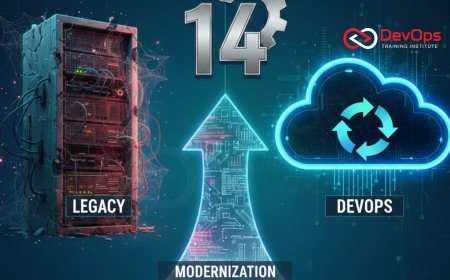
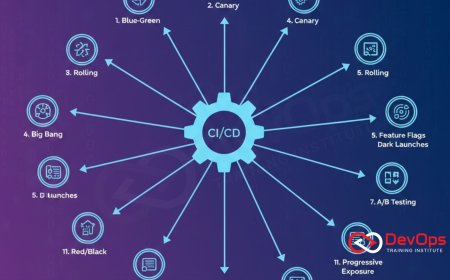
As you move forward, consider how modern release strategies can help you safely modernize your legacy systems. Staying informed about ChatOps techniques will ensure that your team stays aligned and responsive during your debt reduction efforts. Ultimately, the best way to handle technical debt is to face it head-on with transparency and automation. By embracing these ten ways to reduce technical debt today, you are positioning your organization for success in an increasingly complex and fast-moving digital world. Clean code is not just a technical preference; it is a fundamental business capability.
Frequently Asked Questions
What is technical debt in a DevOps context?
Technical debt refers to the long-term maintenance costs and risks incurred by taking technical shortcuts to achieve short-term speed or business goals.
How does AI help in reducing technical debt?
AI analyzes the codebase to identify complexity hotspots, suggests refactoring plans, and automates the creation of tests for legacy code modernization.
What is a "Quality Gate" in a CI/CD pipeline?
A Quality Gate is an automated check that prevents code from moving forward in the pipeline if it doesn't meet specific security and quality standards.
Can technical debt be completely eliminated?
No, technical debt is inevitable as technology and requirements evolve; the goal is to manage it effectively and prevent it from hindering innovation and speed.
What is the benefit of using Infrastructure as Code (IaC)?
IaC ensures that your cloud environment is versioned and repeatable, eliminating the manual "snowflake" configurations that lead to unpredictable system behavior and failures.
How do "Debt Sprints" work in an agile team?
In a Debt Sprint, the team pauses new feature development to focus entirely on refactoring, improving tests, and updating outdated dependencies and systems.
What is the Technical Debt Ratio (TDR)?
TDR is a metric that compares the cost of fixing the technical debt to the cost of building the entire system from scratch to show debt impact.
How does GitOps help with configuration drift?
GitOps uses automated controllers to constantly sync the cluster state with Git, ensuring that manual changes are automatically overwritten by the declared code configuration.
Why is "Shift-Left" testing important?
Shift-left testing catches bugs early in the lifecycle when they are cheapest to fix, preventing them from becoming expensive and complex technical debt in production.
Should I always refactor legacy code?
Not always; you should prioritize refactoring based on business impact, risk, and whether the code is in a "hotspot" that is frequently modified by the team.
What role does documentation play in technical debt?
Poor documentation creates "knowledge debt," making it harder for new team members to understand and maintain the system, which slows down future development efforts.
How do admission controllers improve deployment quality?
Admission controllers enforce organizational policies at the cluster gate, ensuring that only secure and compliant containers are allowed to run in the production environment.
Can technical debt lead to security vulnerabilities?
Yes, outdated dependencies and "quick fix" patches often hide security flaws that can be exploited if the technical debt is not addressed and remediated.
What is "code smell" and how do I find it?
A code smell is a surface-level indicator of a deeper problem in the code; static analysis tools can automatically detect them during the CI/CD build process.
What is the first step in managing technical debt?
The first step is visibility; you must identify and measure your technical debt through tech debt audits and developer feedback to create a pay-off plan.
What's Your Reaction?
 Like
0
Like
0
 Dislike
0
Dislike
0
 Love
0
Love
0
 Funny
0
Funny
0
 Angry
0
Angry
0
 Sad
0
Sad
0
 Wow
0
Wow
0



![100+ Azure DevOps Interview Questions and Answers [Updated 2025]](https://www.devopstraininginstitute.com/blog/uploads/images/202509/image_140x98_68c40aa9a3834.jpg)






![Future Scope of DevOps Careers in Pune [Updated 2025]](https://www.devopstraininginstitute.com/blog/uploads/images/202510/image_140x98_68e3a84652312.jpg)