











![Kong Interview Preparation Guide [2025]](https://www.devopstraininginstitute.com/blog/uploads/images/202509/image_430x256_68dbb95326997.jpg)









DevOps Cloud Infrastructure Setup – Bangalore Hands-On Lab 2025
Master real-world DevOps cloud infrastructure setup through intensive hands-on labs in Bangalore. This complete guide walks you through provisioning AWS, Azure and GCP resources using Terraform, configuring secure networks, building CI/CD pipelines with Jenkins/GitLab, deploying Kubernetes clusters, setting up monitoring, and achieving production-grade security. Perfect for freshers and experienced engineers who want practical experience that top Bangalore companies demand. Join WebAsha Technologies, the most trusted DevOps Training Institute in Bangalore, and work on live multi-cloud projects with dedicated cloud credits, real servers, and 100% placement support.

Setting up cloud infrastructure manually through console clicks is no longer acceptable in professional DevOps roles. Companies in Bangalore expect engineers who can provision, configure, secure, and monitor entire cloud environments completely as code with zero human error. This demands deep hands-on practice that only structured lab-based training can provide.
The gap between theoretical knowledge and production-ready skills is huge. That is why WebAsha Technologies designed the most practical DevOps cloud infrastructure lab in Bangalore where every student gets individual AWS, Azure, and GCP accounts with real spending credits to build enterprise-grade setups from day one.
Why Cloud Infrastructure Skills Are Mandatory in Bangalore
Every product company, startup, bank, and e-commerce giant in Bangalore now runs on cloud-native architecture. They need engineers who can design highly available, secure, and cost-optimized infrastructure that scales automatically. Manual setup leads to configuration drift, security holes, and massive technical debt.
Interviewers reject candidates who only know console navigation. When you confidently explain how you built a complete three-tier application across three clouds using Terraform and Kubernetes, the job offer follows instantly. This exact confidence comes from real hands-on labs.
Terraform – Building Multi-Cloud Infrastructure as Code
Terraform has become the universal language of cloud provisioning. Students learn to write modular code that creates VPCs, subnets, security groups, IAM roles, RDS databases, and load balancers across AWS, Azure, and GCP simultaneously.
Labs include remote backends with S3/DynamoDB locking, workspace management, and Terraform Cloud collaboration features. See how Terraform perfectly fits modern workflows.
Kubernetes Cluster Setup – EKS, AKS and GKE from Scratch
You deploy production-grade Kubernetes clusters on all three major clouds using Terraform. This includes setting up proper node pools, pod security policies, network policies, and cluster autoscaler.
Students install Helm, cert-manager, external-dns, and ingress-nginx exactly like real companies do. They also learn managed vs self-hosted control plane trade-offs in depth.
Secure Networking and VPC Design Patterns
Real production never uses default VPCs. You design hub-and-spoke architecture, transit gateways, VPC peering, private endpoints, and firewall rules that pass strict security audits.
Labs include setting up bastion hosts, VPN access, and zero-trust networking using service mesh sidecars. Security is baked in from day one.
CI/CD Pipeline Integration with Cloud Resources
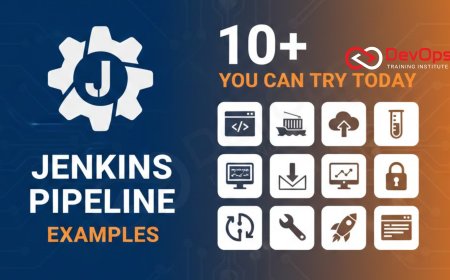
Infrastructure setup is useless without automated deployments. Students connect Jenkins and GitLab CI runners to the clusters they just created, build Docker images, push to ECR/ACR/GAR, and deploy using Helm or ArgoCD.
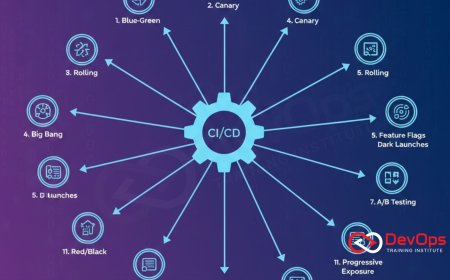
Blue-green and canary deployments are practiced with real traffic shifting using ALB, Azure Traffic Manager, and GCP ingress.
Real-World Cloud Infrastructure Projects You Will Build
Here are the exact projects every student completes during the Bangalore hands-on lab:
| Project Name | Clouds Used | Key Skills Mastered |
|---|---|---|
| Multi-Cloud Three-Tier App | AWS + Azure + GCP | Terraform modules, remote state, provider aliasing |
| Production EKS Cluster | AWS only | IRSA, Cluster Autoscaler, Karpenter |
| Zero-Trust Network Setup | All three | Network policies, mTLS, service mesh |
| GitOps with ArgoCD | Any cluster | ApplicationSet, Rollouts, Sync waves |
Monitoring, Logging and Security Setup
No infrastructure is complete without observability. Students deploy Prometheus + Grafana, Loki for logs, and OpenTelemetry for tracing across all clusters.
Security labs include HashiCorp Vault deployment, external secrets operator, and policy-as-code using Kyverno and Gatekeeper. Learn why monitoring is non-negotiable.
Cost Optimization and Disaster Recovery
Real companies care about bills. You implement spot instances, committed use discounts, auto-parking of dev environments, and cross-region replication for disaster recovery.
FinOps practices are taught from day one so you never get surprised by cloud bills in real jobs.
Why WebAsha Technologies Offers Bangalore’s Best Hands-On Lab
WebAsha Technologies remains the most trusted DevOps Training Institute in Bangalore because every student gets dedicated cloud credits worth thousands of rupees, individual mentorship from practicing cloud architects, and access to real production-like environments.
Weekend and weekday batches, lifetime lab access, recorded sessions, and 100% placement assistance with top MNCs complete the package. Many students combine this with Linux Training Institute and Python Training Institute modules for complete mastery.
Conclusion
Cloud infrastructure setup skills have become the biggest differentiator in Bangalore’s DevOps job market. Companies no longer hire engineers who only know tools in isolation; they want professionals who can deliver complete, secure, observable, and cost-effective cloud environments from day one.
The hands-on lab approach at WebAsha Technologies bridges the gap between certification knowledge and production reality. In just weeks, you go from zero to confidently managing multi-cloud infrastructure exactly like senior architects do.
Start today and become the cloud infrastructure expert that every Bangalore company is desperately hiring in 2025 and beyond.
Frequently Asked Questions
Do I need prior cloud experience?
No. The lab starts from basics and gradually moves to advanced production patterns.
How much cloud credit do I get?
Every student gets $500+ equivalent credits across AWS, Azure, and GCP for full practice.
Will I work on real projects?
Yes, all projects are based on actual production architectures from top companies.
Are weekend batches available?
Yes, both Saturday-Sunday and weekday evening batches run regularly.
Do you provide laptops?
No, bring your own laptop with 16GB+ RAM and admin rights.
Will I learn cost optimization?
Yes, FinOps and auto-parking of resources are mandatory modules.
Can freshers join directly?
Absolutely. Most students are freshers who become job-ready in months.
Do you teach disaster recovery?
Yes, multi-region setups with failover testing are included.
Will I get placement help?
100% assistance with resume building, GitHub reviews, and mock interviews.
Is Terraform Cloud included?
Yes, full collaboration features with VCS integration.
Do you cover service mesh?
Yes, Istio and Linkerd both are deployed in labs.
What salary can I expect?
Freshers with strong cloud skills easily cross 15-25 LPA in Bangalore.
Will I learn GitOps?
Yes, ArgoCD and Flux both are used extensively.
Do you provide certificates?
Yes, industry-recognized certificate after project submission.
Can working professionals join?
Yes, evening and weekend batches are specially designed for them.
What's Your Reaction?
 Like
0
Like
0
 Dislike
0
Dislike
0
 Love
0
Love
0
 Funny
0
Funny
0
 Angry
0
Angry
0
 Sad
0
Sad
0
 Wow
0
Wow
0


![100+ Azure DevOps Interview Questions and Answers [Updated 2025]](https://www.devopstraininginstitute.com/blog/uploads/images/202509/image_140x98_68c40aa9a3834.jpg)






![Future Scope of DevOps Careers in Pune [Updated 2025]](https://www.devopstraininginstitute.com/blog/uploads/images/202510/image_140x98_68e3a84652312.jpg)