








![Kong Interview Preparation Guide [2025]](https://www.devopstraininginstitute.com/blog/uploads/images/202509/image_430x256_68dbb95326997.jpg)





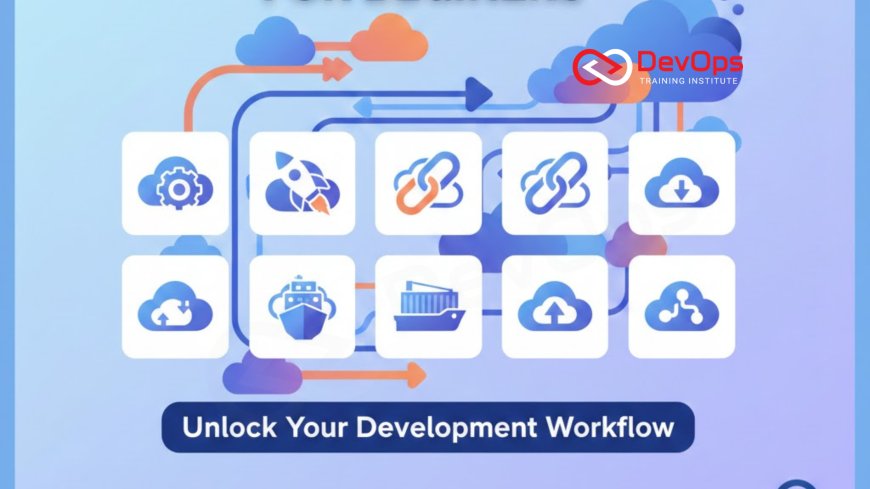
10 Cloud CI/CD Pipeline Templates for Beginners
In 2026, the complexity of cloud-native development requires beginners to start with robust, standardized automation. This guide explores ten essential Cloud CI/CD pipeline templates designed to accelerate your software delivery journey across major platforms like GitHub Actions, GitLab CI, and AWS CodePipeline. Learn how to implement automated testing, secure containerization, and seamless deployments using pre-built YAML configurations for Node.js, Python, and more. Whether you are launching your first microservice or optimizing a global application, these beginner-friendly templates provide the perfect technical foundation to achieve faster release cycles and maintain high system reliability in today's competitive and automated digital landscape.
Introduction to Automated Cloud Pipelines
For those entering the DevOps field in 2026, the transition from manual builds to automated pipelines is the single most important hurdle to overcome. A CI/CD pipeline acts as the automated highway that carries your code from a local developer's machine to the production cloud environment. For a beginner, staring at a blank YAML file can be daunting. Pipeline templates serve as the "scaffolding" that provides a proven, secure, and efficient structure, allowing you to focus on your application logic rather than the underlying orchestration mechanics. These templates are designed to follow industry standards, ensuring your continuous synchronization efforts are both fast and reliable.
The beauty of using cloud-native templates is that they are deeply integrated with the ecosystems they inhabit. Whether you are using GitHub Actions, GitLab, or AWS, these platforms offer "starter" configurations that handle the heavy lifting of environment setup, dependency management, and security scanning. By adopting these ten essential templates, you are not just saving time; you are building on the collective wisdom of thousands of engineers who have optimized these paths before you. This guide will walk you through the most useful templates for 2026, providing the clarity and technical confidence needed to master the art of automated software delivery in the modern cloud era.
Template One: The Basic Node.js Build and Test
The Node.js build and test template is perhaps the most common starting point for modern web developers. This pipeline is triggered every time you push code to your repository. It automatically sets up a clean virtual machine, installs your project's dependencies using npm or yarn, and runs your automated test suite. If any test fails, the pipeline halts, preventing broken code from ever moving toward production. This "fail-fast" mechanism is a core part of cultural change toward higher software quality. It ensures that your code is always in a deployable state, providing instant feedback to the engineering team.
Most cloud providers offer a one-click version of this template. For instance, GitHub Actions provides a Node.js starter workflow that detects your project structure and recommends the correct version of Node to use. By utilizing these templates, you ensure that your continuous verification process starts at the very first line of code. It is an essential building block for any microservices architecture, allowing you to maintain a high bar for technical excellence while scaling your application's functionality across various cloud services and global regions.
Template Two: Python Quality and Security Scan
Python is a dominant language in 2026 for everything from web backends to AI models, but its dynamic nature requires rigorous linting and security checks. The Python CI template goes beyond simple testing; it incorporates tools like Flake8 for style enforcement and Bandit for security analysis. This ensures that your code is not only functional but also secure and maintainable. By automating these checks, you eliminate the human error associated with manual reviews and ensure that your cluster states remain stable and protected from common vulnerabilities like SQL injection or insecure library usage.
This template is particularly valuable for teams working in regulated industries where compliance is a constant requirement. The pipeline acts as a security gate, scanning for leaked secrets and unpatched dependencies before the code is even allowed to be merged. By integrating secret scanning tools directly into the template, you build a "security-first" culture that protects your organization's digital assets. It turns the CI/CD process into a powerful ally for the developer, providing automated guidance on how to write better, safer Python code every single day.
Template Three: Docker Image Build and Push to ECR
In a containerized world, the ability to turn code into a Docker image and store it in a secure registry is a vital skill. This template automates the process of building a Dockerfile, tagging the resulting image with a unique version number, and pushing it to a cloud registry like Amazon ECR or Google Container Registry. This ensures that your production environment always pulls from a trusted, versioned source of truth. By utilizing containerd or other efficient runtimes, you can ensure that these images are deployed quickly and reliably across your entire cluster.
The Docker build template often includes a layer of optimization to keep your image sizes small and your build times fast. It leverages build caching to skip unchanged layers, which is essential for maintaining high velocity in your delivery pipeline. Furthermore, by automating the push to a private registry, you avoid the risks of using public images that might contain hidden vulnerabilities. This template provides the "hand-off" between the continuous integration phase and the continuous deployment phase, creating a seamless and secure path for your containerized applications to reach your users in a global cloud environment.
Top 10 Beginner CI/CD Pipeline Templates
| Template Name | Primary Goal | Platform Example | Technical Focus |
|---|---|---|---|
| Node.js Build/Test | Automated Testing | GitHub Actions | Dependency Mgmt |
| Docker to ECR | Containerization | AWS CodePipeline | Image Versioning |
| Static Site Deploy | Web Hosting | Azure Pipelines | Storage Sync |
| Python Lint/Scan | Code Quality | GitLab CI | Security Analysis |
| K8s Helm Deploy | Orchestration | CircleCI | Release Management |
Template Four: Static Site Deployment to S3/CloudFront
For beginners building modern frontend applications with React, Vue, or Next.js, the static site deployment template is a game changer. This pipeline automates the "build" command to generate your production files and then synchronizes them to a cloud storage bucket like Amazon S3. It also handles the invalidation of your CDN (Content Delivery Network) cache to ensure that your users see the latest version of your site immediately. This pattern is a cornerstone of architecture patterns for high-performance web applications, providing a globally distributed and highly available user experience.
This template simplifies the complexity of managing web infrastructure. You don't need to manage servers or worry about scaling; the cloud provider handles it all. By including automated rollbacks in the template, you can quickly revert to a previous version of your site if a new release contains a critical frontend bug. This level of automation allows a solo developer to manage a global website with the same efficiency as a large technical team. It is the perfect entry point for learning how the cloud can simplify operational tasks and provide a stable foundation for your digital creativity and business growth.
Template Five: Kubernetes Deployment using Helm
As you move toward more complex systems, the Kubernetes deployment template becomes essential. This template uses Helm, the package manager for Kubernetes, to manage your application's releases. It automates the process of updating your deployment manifests, managing your service configurations, and handling rolling updates across your cluster. By using Helm charts within your pipeline, you create a standardized and repeatable way to deploy microservices, ensuring that your continuous synchronization is consistent across all environments.
The Helm template often includes logic for managing different values for different environments, such as "staging" and "production." This allows you to use the same pipeline to deploy to multiple targets with minimal changes. By utilizing admission controllers, you can ensure that every Helm deployment meets your cluster's security and resource requirements. This template represents the bridge between modern software development and cloud-native orchestration, providing you with the tools to manage enterprise-scale applications with confidence and technical precision in a busy production cluster.
Best Practices for Using Pipeline Templates
- Start Small: Begin with a simple build and test template before adding complex deployment logic or multi-cloud orchestration steps.
- Version Your Pipelines: Treat your YAML files as code; store them in your Git repository and version them to allow for easy troubleshooting and rollbacks.
- Use Secret Managers: Never hardcode API keys or passwords in your templates; instead, use the cloud provider's built-in secrets management features.
- Monitor Pipeline Health: Use AI augmented devops tools to track your pipeline's success rate and build times to identify bottlenecks and flaky tests.
- Implement Gated Releases: For production deployments, include a manual approval step in your template to ensure a human review before critical changes go live.
- Optimize Your Runtimes: Check if your template should use containerd for better efficiency and performance in your production-grade Kubernetes environment.
- Continuous Verification: Integrate release strategies that include post-deployment verification to ensure your system is behaving as expected in real-time.
Success with CI/CD is an iterative process. As your application grows, your templates will evolve to include more sophisticated checks and automated responses. By following these best practices, you create a technical foundation that is built for growth and resilience. It is also important to encourage cultural change within your team by sharing your favorite templates and aliases. This collaborative approach to automation builds a stronger team and ensures that everyone is working as efficiently as possible in the ever-changing and exciting world of cloud-native engineering.
Conclusion: Your Roadmap to Pipeline Mastery
In conclusion, these ten cloud CI/CD pipeline templates provide the essential building blocks for any beginner looking to master modern software delivery. From the simplicity of a Node.js test to the power of a Kubernetes Helm deployment, each template offers a proven path to success in the cloud. By automating your build, test, and release cycles, you are making a long-term investment in your productivity and the stability of your projects. The future of software development is one where the infrastructure disappears into the background, allowing human creativity to take center stage and drive measurable business value.
As you continue your journey, remember that the best template is the one that solves a real problem for you and your team. Stay informed about AI augmented devops trends to ensure your automation remains modern and efficient as technology evolves. Use ChatOps techniques to improve collaboration and transparency during every release. By prioritizing automation, security, and reusability today, you are preparing yourself for the technical challenges of tomorrow. Start with one template, master it, and then build your way toward a world-class CI/CD practice that scales effortlessly with your ambition and the demands of the digital world.
Frequently Asked Questions
What is a CI/CD pipeline template?
A CI/CD pipeline template is a pre-configured YAML or JSON file that provides the basic structure for building, testing, and deploying your software code.
Why should beginners use templates instead of writing pipelines from scratch?
Templates provide a proven, secure starting point that follows industry best practices, helping beginners avoid common configuration errors and security risks effectively.
Do I need to be an expert in YAML to use these templates?
No, most cloud platforms provide user-friendly editors and visual builders that help you customize these templates with very little manual YAML coding required.
Can I use the same template for different cloud providers?
While the logic is similar, the syntax varies between providers; however, many tools like Terraform allow you to write provider-agnostic infrastructure templates and automation.
What is the difference between CI and CD in these templates?
CI (Continuous Integration) focuses on building and testing code, while CD (Continuous Deployment) focuses on releasing that code to your production environment automatically.
Are these templates free to use in 2026?
Most major platforms like GitHub and GitLab offer free tiers with access to hundreds of starter templates for open-source and small-scale private projects.
How do I handle sensitive data in a public template?
You should always use environment variables or a secure secret store to inject sensitive data into your pipeline at runtime, keeping it out of your code.
Can I combine multiple templates into a single pipeline?
Yes, many teams use a "modular" approach, combining a build template, a test template, and a deployment template into one cohesive delivery workflow and process.
What is the best platform for a beginner to start with CI/CD?
GitHub Actions is widely considered the best starting point due to its massive marketplace of pre-built actions and its deep integration with the GitHub ecosystem.
How often should I update my pipeline templates?
You should review and update your templates at least once a quarter to ensure you are using the latest security patches and performance optimizations.
What is a "flaky test" and how do I fix it?
A flaky test is one that fails inconsistently; you fix it by improving test isolation, increasing timeouts, or fixing underlying race conditions in your code.
Can I automate rollbacks with these templates?
Yes, most deployment templates can be configured to automatically revert to the previous version if a new release fails its post-deployment health checks.
What is the role of a container registry in a pipeline?
A container registry acts as a secure storage locker for your Docker images, ensuring they are versioned and ready to be pulled by your clusters.
How does GitOps relate to CI/CD templates?
GitOps uses Git as the source of truth for your configuration, using automated controllers to ensure your live environment always matches your versioned repository state.
What is the first step in creating my first pipeline?
The first step is to identify your project's main language (like Node.js or Python) and select the corresponding starter template from your chosen cloud provider.
What's Your Reaction?
 Like
0
Like
0
 Dislike
0
Dislike
0
 Love
0
Love
0
 Funny
0
Funny
0
 Angry
0
Angry
0
 Sad
0
Sad
0
 Wow
0
Wow
0


![100+ Azure DevOps Interview Questions and Answers [Updated 2025]](https://www.devopstraininginstitute.com/blog/uploads/images/202509/image_140x98_68c40aa9a3834.jpg)






![Future Scope of DevOps Careers in Pune [Updated 2025]](https://www.devopstraininginstitute.com/blog/uploads/images/202510/image_140x98_68e3a84652312.jpg)