

![Kong Interview Preparation Guide [2025]](https://www.devopstraininginstitute.com/blog/uploads/images/202509/image_430x256_68dbb95326997.jpg)

10 Popular DevOps SaaS Platforms Compared
Explore our detailed comparison of the top 10 popular DevOps SaaS platforms in 2025 to find the perfect fit for your engineering team. This comprehensive guide evaluates leading solutions like GitHub, GitLab, and Azure DevOps alongside innovative platforms like Harness and Codefresh. Learn how these cloud-based tools streamline CI/CD pipelines, enhance security, and optimize infrastructure management, helping your organization achieve faster release cycles and superior operational excellence in today's competitive and fast-paced technological landscape.
Introduction to the DevOps SaaS Revolution
The transition toward Software as a Service or SaaS has fundamentally changed how engineering teams approach the software development lifecycle. In the early days, setting up a build server required manual hardware provisioning, complex software installations, and constant maintenance. Today, a modern organization can spin up a complete, world-class DevOps environment in minutes by leveraging specialized cloud platforms. This shift has allowed companies of all sizes to focus on their core business logic rather than the "plumbing" of their delivery pipelines.
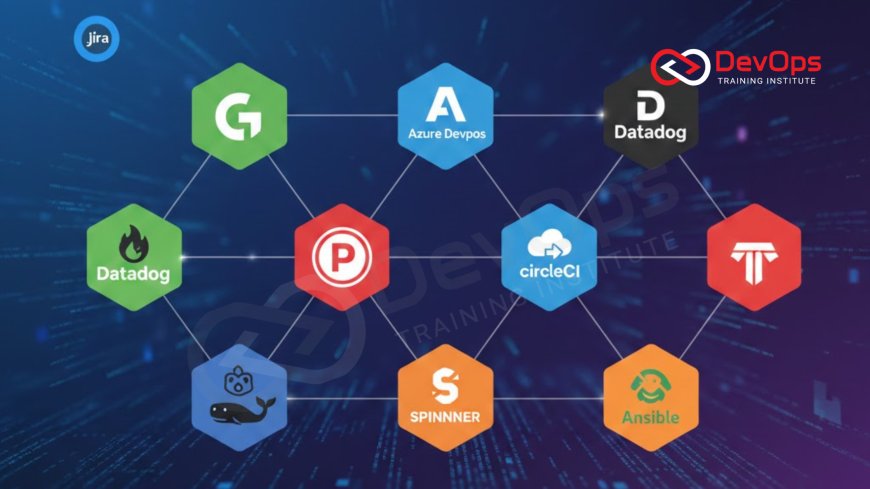
In this guide, we will compare 10 popular DevOps SaaS platforms that are dominating the market in 2025. These platforms offer a range of capabilities from simple version control to sophisticated AI-driven deployment orchestration. By moving these critical functions to the cloud, teams gain benefits like global accessibility, automatic updates, and massive scalability. Whether you are part of a small startup or a large enterprise, understanding the strengths and weaknesses of these leaders will help you build a more resilient and efficient path to production.
The Core Components of a Modern DevOps Platform
A comprehensive DevOps platform is much more than just a place to store code. It acts as an integrated ecosystem that supports the entire journey from a developer's first commit to the final application running in production. The most successful platforms today provide a unified experience that includes source code management, continuous integration, and automated deployment features. This integration is vital because it reduces the friction that occurs when developers have to jump between many disconnected tools, which is why who drives cultural change often starts with choosing a toolset that promotes collaboration.
Beyond the basics, modern platforms are increasingly incorporating security and compliance checks directly into the workflow. This ensures that every piece of code is scanned for vulnerabilities and misconfigurations before it ever reaches a live server. High-performing platforms also offer deep insights into system performance and deployment health, allowing teams to ask complex questions about their environment. By providing a single source of truth, these SaaS solutions empower engineers to move faster while maintaining a high standard of quality and safety across their diverse cloud environments.
Comparing Integrated Platforms vs. Specialized Tools
When selecting a DevOps SaaS platform, one of the primary decisions is whether to choose an all-in-one integrated suite or a collection of specialized tools. Integrated platforms like GitLab or Azure DevOps aim to provide everything a team needs under one roof, from project management to monitoring. This approach offers simplicity and a lower total cost of ownership because there is only one vendor to manage and one interface to learn. It is particularly effective for teams looking to standardize their processes quickly.
On the other hand, specialized tools like Harness or Octopus Deploy focus deeply on specific stages of the lifecycle, such as advanced continuous delivery or infrastructure management. These tools often provide more sophisticated features for complex use cases, such as automated rollbacks or multi-cloud orchestration. Many organizations find that a hybrid approach works best, using a strong base like GitHub and augmenting it with specialized platforms. This flexibility allows teams to leverage which cloud architecture patterns best suit their specific business goals and technical requirements.
The Role of Artificial Intelligence in 2025 Platforms
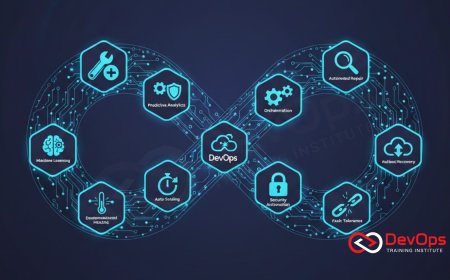
The most significant trend in 2025 is the deep integration of artificial intelligence across all major DevOps platforms. AI is no longer just a buzzword; it is a practical tool that helps predict pipeline failures, suggests code fixes, and even optimizes resource allocation to save money. Platforms are now using machine learning to analyze historical data and identify unusual patterns that might indicate a security threat or a performance bottleneck. This proactive intelligence allows teams to address issues before they ever impact the end user.
AI also plays a major role in automating the "boring" parts of the job, such as writing documentation or generating unit tests. This allows developers to spend more time on creative problem-solving and innovation. Understanding what are the emerging trends in ai augmented devops toolchains is essential for staying competitive today. These intelligent features are making delivery cycles faster and more reliable than ever, effectively creating a "self-healing" infrastructure that can adapt to changing demands without constant human intervention.
Table: Comparison of Top 10 DevOps SaaS Platforms
| Platform Name | Best Known For | Key 2025 Feature | Target Audience |
|---|---|---|---|
| GitHub | Collaboration & Ecosystem | GitHub Copilot Workspace | Startups to Large Enterprise |
| GitLab | All-in-one DevSecOps | AI-Powered Vulnerability Fixes | Security-Conscious Teams |
| Azure DevOps | Enterprise Integration | Unified Boards & Pipelines | Microsoft-Centric Orgs |
| Harness | Advanced CD & Cost Mgt | Self-Service IDP Portals | Complex Cloud Architectures |
| CircleCI | Speed & Parallelism | GPU-Accelerated Runners | Performance-Focused Devs |
| Bitbucket | Atlassian Connectivity | Deep Jira Automation | Jira/Confluence Users |
| Codefresh | Kubernetes & GitOps | Argo CD Control Plane | Cloud-Native Specialists |
| Octopus Deploy | Release Orchestration | Runbook Automation | Ops-Heavy Teams |
| CloudBees | Enterprise Jenkins | Compliance as Code | Traditional Enterprise |
| Spacelift | Infrastructure as Code | Policy-Driven Governance | Infrastructure Engineers |
Advanced Deployment and Release Management
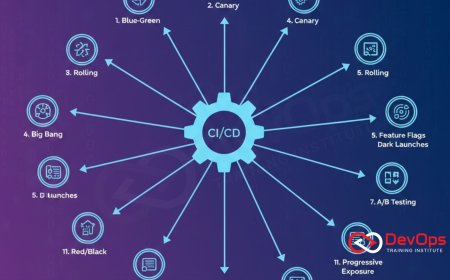
Managing how software is released to users has become a highly sophisticated discipline. Modern SaaS platforms enable strategies like canary releases and blue-green deployments with just a few clicks. These patterns allow teams to test new code on a small subset of users before a full rollout, minimizing the "blast radius" of potential bugs. This level of control is essential for maintaining high availability and user trust in a fast-moving market. By analyzing which release strategies are most effective, organizations can achieve a competitive edge in delivery speed.
Another critical feature of 2025 platforms is automated rollback capability. If a deployment causes an error, the system can automatically detect the issue and revert to the last known stable version without any human intervention. This self-healing nature is supported by the concept of continuous verification, where the platform constantly checks metrics against predefined safety thresholds. By automating the safety checks, teams can release code more frequently and with much higher confidence than ever before.
Kubernetes and Container Native Automation
As containers have become the standard unit of deployment, DevOps platforms have evolved to offer deep, native support for Kubernetes. This includes visual dashboards for monitoring cluster health and automated ways to deploy Helm charts or Kubernetes manifests. Some platforms even offer "no-code" ways to manage complex container orchestrations, making these powerful tools accessible to a wider range of developers. Deciding when is it better to use containerd is just one of many technical choices that modern platforms help simplify through intelligent defaults.
Modern platforms also embrace GitOps, where the state of the Kubernetes cluster is always kept in sync with a Git repository. This ensures that the infrastructure is auditable, version-controlled, and easy to recover in case of a disaster. Understanding how does gitops maintain continuous synchronization is vital for anyone managing large-scale, cloud-native environments. By providing a bridge between code and clusters, SaaS platforms allow teams to manage thousands of containers with the same ease as a single application, dramatically improving operational efficiency.
Security, Governance, and Policy as Code
In 2025, security is no longer an afterthought; it is integrated into the very heart of the DevOps platform. Features like secret scanning and vulnerability detection run automatically on every pull request, preventing sensitive credentials from ever reaching a public repository. This proactive approach helps teams maintain a strong security posture without slowing down the development process. Learning how do secret scanning tools prevent credential leakage is a fundamental skill for any security-conscious engineering team.
Governance is another area where modern platforms shine, offering "policy as code" capabilities. This allows organizations to define rules, such as "all deployments must be scanned for vulnerabilities" or "no production changes on Fridays," and enforce them automatically. These rules are particularly important in Kubernetes environments, where admission controllers can block non-compliant resources from ever being created. By automating compliance, companies can ensure they meet all legal and regulatory requirements without requiring manual audits for every change.
- GitHub: Excellent for community-driven projects and massive ecosystems with over 100 million developers.
- GitLab: A leader in integrated security and compliance for organizations that want everything in one place.
- Azure DevOps: The go-to choice for enterprises already heavily invested in the Microsoft and Azure cloud stack.
- Harness: Provides cutting-edge AI features and advanced cloud cost management for complex environments.
- Codefresh: Specifically optimized for Kubernetes and GitOps workflows, making it a favorite for cloud-native teams.
Conclusion
Choosing the right DevOps SaaS platform in 2025 is a strategic decision that will define your team's productivity and reliability for years to come. We have compared 10 leaders that range from all-in-one suites like GitLab and Azure DevOps to specialized powerhouses like Harness and Spacelift. The most significant trend we see is the transition toward AI-driven automation, which is making the path from code to production faster and more secure than ever. By leveraging these cloud-based solutions, your organization can focus on building innovative features while the platform handles the complexity of infrastructure, security, and deployment. Furthermore, the adoption of chatops techniques is helping teams collaborate and resolve incidents directly from their communication tools. Whether you prioritize deep Kubernetes integration, advanced cost management, or a massive developer ecosystem, there is a platform tailored to your needs. As you evaluate these options, consider how well they integrate with your existing tools and how they support your long-term vision for operational excellence. Embracing these SaaS innovations is the surest way to build a high-performing engineering culture that can thrive in the digital age.
Frequently Asked Questions
What is a DevOps SaaS platform?
A DevOps SaaS platform is a cloud-hosted suite of tools that automates the entire software delivery process including coding, testing, and deployment.
GitHub vs GitLab: Which is better?
GitHub is superior for community and large ecosystems, while GitLab excels in providing an integrated, all-in-one DevSecOps platform for enterprise security.
Can I use these platforms for multi-cloud deployments?
Yes, modern SaaS platforms like Harness and Octopus Deploy are designed specifically to orchestrate deployments across AWS, Azure, and Google Cloud simultaneously.
What is GitOps in a SaaS context?
GitOps is a practice where the cloud platform automatically synchronizes your live infrastructure state with declarative configurations stored in a Git repository.
How does AI improve these platforms?
AI helps by predicting pipeline failures, suggesting code improvements, and automating security scans, which significantly reduces manual toil for engineering teams.
Is Azure DevOps only for Microsoft users?
No, while it integrates perfectly with Microsoft tools, it supports any language and can deploy to any cloud including AWS and GCP.
What are the benefits of a "serverless" CI/CD?
It eliminates the need to manage your own build servers, reducing maintenance overhead and allowing you to pay only for the compute you use.
How do these platforms handle security?
They include automated vulnerability scanning, secret detection, and compliance as code features to ensure safety throughout the entire development lifecycle.
What is the "blast radius" in deployments?
It refers to the extent of the impact if a deployment fails; modern platforms minimize this using canary releases and automated rollbacks.
Is Jenkins still relevant in 2025?
Yes, especially through CloudBees, which offers an enterprise-managed version of Jenkins that combines traditional power with modern SaaS convenience and safety.
What is a self-service developer portal?
It is a feature that allows developers to provision their own environments and tools safely without needing constant assistance from the operations team.
How do platforms help with cloud costs?
SaaS platforms like Harness provide visibility into spending and can automatically shut down idle resources to optimize your monthly cloud budget effectively.
Can I migrate from one platform to another easily?
While many use standard formats like YAML, each platform has unique features, so a migration usually requires some effort to update your pipelines.
What is the difference between monitoring and observability?
Monitoring tells you when something is broken, while observability helps you understand why it is broken by providing deep context from system data.
Are these platforms suitable for small startups?
Absolutely, many offer generous free tiers that provide professional-grade tools to small teams, allowing them to scale quickly as they grow their business.
What's Your Reaction?
 Like
0
Like
0
 Dislike
0
Dislike
0
 Love
0
Love
0
 Funny
0
Funny
0
 Angry
0
Angry
0
 Sad
0
Sad
0
 Wow
0
Wow
0

![100+ Azure DevOps Interview Questions and Answers [Updated 2025]](https://www.devopstraininginstitute.com/blog/uploads/images/202509/image_140x98_68c40aa9a3834.jpg)





![Future Scope of DevOps Careers in Pune [Updated 2025]](https://www.devopstraininginstitute.com/blog/uploads/images/202510/image_140x98_68e3a84652312.jpg)