
































![Kong Interview Preparation Guide [2025]](https://www.devopstraininginstitute.com/blog/uploads/images/202509/image_430x256_68dbb95326997.jpg)














10 Ways DevOps Improves User Experience
Discover the ten powerful ways DevOps improves user experience by bridging the gap between engineering excellence and customer satisfaction in twenty twenty six. This comprehensive guide explores how automated pipelines, continuous feedback loops, and rapid release cycles lead to more stable, performant, and feature rich applications. Learn how reducing technical debt and enhancing system reliability directly impacts user loyalty and business growth. Whether you are a product manager or a technical lead, understanding the human centric benefits of DevOps is essential for delivering world class digital experiences that stand out in today's highly competitive and fast moving global software market.

Introduction to the Link Between DevOps and UX
In the modern digital economy, the quality of a user's experience is the primary factor that determines the success or failure of a software product. While user experience is often associated with visual design and intuitive interfaces, its true foundation lies in the reliability, speed, and responsiveness of the underlying system. DevOps, as a set of practices that unify development and operations, plays a critical role in building this foundation. By focusing on automation, collaboration, and continuous improvement, DevOps ensures that the technical infrastructure is perfectly aligned with the needs and expectations of the end user.
When engineering teams adopt DevOps, they move away from slow, siloed processes toward a model of rapid and frequent delivery. This shift allows organizations to respond to user feedback in days rather than months, creating a dynamic relationship between the builders and the users of the software. In twenty twenty six, as user expectations for seamless performance continue to rise, the technical excellence provided by DevOps has become the invisible engine driving world class digital experiences. This guide explores ten specific ways that DevOps practices translate directly into a better, faster, and more satisfying experience for your customers.
Faster Delivery of New Features
One of the most visible ways DevOps improves user experience is through the drastic reduction in time to market for new features. Traditional software development cycles often involve long waiting periods where new ideas are stuck in testing or deployment queues. DevOps eliminates these bottlenecks through automated CI CD pipelines, allowing teams to ship updates as soon as they are ready. For the user, this means a constant stream of value and innovation, ensuring that the application they use is always evolving to meet their changing needs and solving their problems more effectively.
This speed to market also allows companies to stay ahead of the competition by reacting quickly to market trends. When a user requests a new functionality or identifies a missing piece of the experience, a DevOps centric team can implement and release that feature with minimal delay. This responsiveness builds trust and keeps users engaged, as they feel their voices are heard and that the product is actively supported. By utilizing release strategies that prioritize frequent small updates over occasional massive ones, you provide a smoother and more exciting journey for your entire user base.
Enhanced System Reliability and Uptime
Nothing ruins a user's experience faster than a broken application or a "Service Unavailable" message. DevOps prioritizes system stability through the use of automated testing, infrastructure as code, and proactive monitoring. By identifying and fixing bugs before they ever reach production, DevOps ensures that the application remains available and functional around the clock. This reliability is the bedrock of user trust; customers are far more likely to remain loyal to a service that they know will work every time they open it, regardless of the load or the time of day.
In the event that a failure does occur, DevOps practices like automated rollbacks and rapid incident handling minimize the impact on the user. Instead of an outage lasting hours, issues can be resolved in minutes or even seconds, often before the majority of users even notice there was a problem. This high level of availability is achieved by maintaining cluster states that are resilient and self healing. For the end user, this translates to a seamless experience where the technology disappears into the background, allowing them to focus on their tasks without the frustration of unexpected interruptions or data loss.
Performance Optimization and Speed
In twenty twenty six, user patience for slow loading screens is at an all time low. DevOps improves user experience by making performance a core part of the development lifecycle. Automated performance testing in the pipeline ensures that new code doesn't introduce latency, while containerization and efficient cloud architecture patterns ensure that the application responds quickly to user actions. A fast application feels premium and professional, directly contributing to a positive perception of the brand and increasing the likelihood of user retention and word of mouth recommendations.
Beyond the code, DevOps engineers optimize the entire delivery stack, from content delivery networks to database query times. By utilizing containerd or other high performance runtimes, they ensure that the underlying infrastructure is as lean as possible. This technical precision results in an interface that feels snappy and responsive, even under heavy traffic. For mobile users or those on slower connections, these optimizations are even more critical, as they make the difference between a usable application and a frustratingly slow one. DevOps ensures that speed is a feature, not an afterthought, in every release.
DevOps Benefits for User Experience Summary
| DevOps Practice | Technical Outcome | UX Benefit | Impact Level |
|---|---|---|---|
| CI/CD Pipelines | Automated deployments | Fresh features regularly | High |
| Infrastructure as Code | Consistent environments | Fewer "it worked in dev" bugs | Medium |
| Continuous Monitoring | Real-time health data | Faster bug fixes | High |
| Automated Testing | Regression checks | Higher software quality | Critical |
| Feedback Loops | Direct user insights | Product fits user needs | Medium |
Data-Driven Improvements via Continuous Feedback
DevOps creates a direct loop between user behavior and product development. By integrating sophisticated telemetry and observability tools into the production environment, teams can see exactly how users are interacting with new features. This data reveals where users are getting stuck, which features are being ignored, and where the experience could be improved. Instead of relying on gut feelings or outdated surveys, product teams can make informed decisions based on real time evidence. This ensure that the cultural change in the organization is focused on the actual needs of the customer.
This continuous feedback loop allows for rapid experimentation through techniques like A/B testing. Teams can release two versions of a feature to different segments of the user base and measure which one performs better in terms of engagement and satisfaction. This scientific approach to user experience ensures that every change is a step toward a better product. By utilizing continuous verification, you can confirm that your UX improvements are delivering the intended value without introducing new technical regressions, keeping the quality of the experience consistently high over time.
Superior Security and User Trust
In an age of constant data breaches, user experience is heavily tied to the feeling of being safe and secure. DevOps incorporates security into every stage of the lifecycle, a practice known as DevSecOps. This means that security patches are applied automatically, and vulnerabilities are caught long before they can be exploited. For the user, this provides peace of mind, knowing that their personal information and transaction data are protected by the latest technical safeguards. Trust is a key component of UX, and a secure application is a pre-requisite for a loyal user base.
DevOps automation also ensures that compliance and security audits are part of the routine rather than a disruptive event. Using secret scanning tools prevents the accidental exposure of sensitive data that could lead to a loss of user trust. When a security threat is identified in the wider tech world, a DevOps team can respond and secure their systems in minutes across all cluster states. This proactive stance on security creates a "safe harbor" for users, where they can interact with the digital product without fear of identity theft or privacy violations, enhancing the overall value proposition of the service.
Personalization and Targeted Experiences
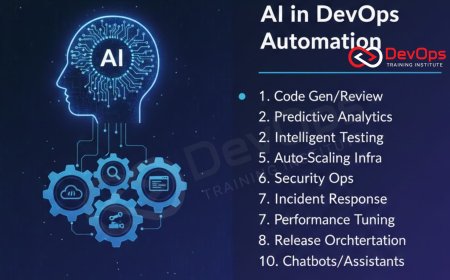
DevOps infrastructure supports the complex data processing required for modern personalized user experiences. By automating the deployment of microservices and data pipelines, teams can deliver customized content, recommendations, and interfaces to different user segments. This level of personalization makes the application feel more relevant and intuitive, as the user is presented with exactly what they need at the right time. DevOps enables this without increasing the operational burden on the engineering team, allowing for highly complex architecture patterns that power modern AI driven personalization.
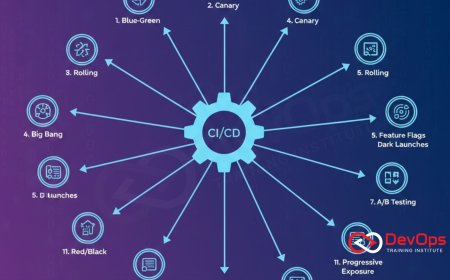
Furthermore, the agility provided by DevOps allows for "dark launches" and feature flags, where new experiences can be toggled on for specific users without a full system deployment. This allows for a more personalized "onboarding" experience or specialized themes for different regions and demographics. By utilizing AI augmented devops, teams can even predict which infrastructure configurations will provide the best experience for specific user groups. This focus on the individual user makes the software feel alive and attentive, leading to higher satisfaction rates and a more meaningful connection between the customer and the digital brand.
10 Ways DevOps Directly Impacts the End User
- Reduced Friction: Automated testing catches UI bugs before they frustrate users, ensuring every click does what it is supposed to.
- Better Mobile Experience: Optimized backends ensure that mobile apps remain responsive even on inconsistent cellular networks.
- Smarter Help Systems: ChatOps techniques can be extended to user support bots, providing faster answers to common user questions.
- Consistent Quality: Infrastructure as code ensures that every user, regardless of their location, gets the same high quality experience.
- Transparent Updates: Automated release notes keep users informed about new features and improvements, making them feel part of the product's journey.
- Lower Battery Drain: Efficiently managed background processes and optimized code lead to lower energy consumption on user devices.
- Proactive Problem Solving: Monitoring tools often identify and fix user issues before the user even has a chance to report them.
- Seamless Scaling: Users never experience slowdowns during big sales or viral events because the system scales automatically to handle the load.
- Zero Downtime Upgrades: Users can continue using the application while new versions are being deployed in the background.
- Safe Experimentation: Canary releases ensure that if a new feature has a bug, it only affects a tiny fraction of users before being caught and fixed.
By following these strategies, you ensure that your technical excellence translates into a tangible business advantage. It is important to remember that who drives cultural change within the organization will determine how effectively these DevOps benefits are realized. When developers and designers work together under a DevOps framework, the result is a product that is not just technically sound but also deeply resonant with the human beings who use it. This synergy is the future of digital product development, where the barrier between "code" and "customer" is completely erased by automation and shared empathy.
Conclusion: UX as a Metric for DevOps Success
In conclusion, the impact of DevOps on user experience is profound and multi-faceted. From the speed of new feature delivery to the rock solid reliability of the production environment, every DevOps practice serves the ultimate goal of making the user's life easier and more productive. By moving beyond a narrow focus on "uptime" and embracing a holistic view of the user journey, DevOps teams can become true partners in the design of the digital experience. In twenty twenty six, technical efficiency is the foundation upon which great brands are built, and DevOps is the tool that makes that foundation possible.
As you move forward, consider how AI augmented devops can further refine your understanding of user needs. Staying informed about AI augmented devops trends will ensure you stay ahead of the curve. Ultimately, the best DevOps implementation is the one that results in happy, loyal users who find value in every interaction with your software. By prioritizing these ten ways to improve UX, you are setting your organization up for long term success in an era where the quality of the digital experience is the only thing that truly matters to the customer. Build with precision, deploy with confidence, and always keep the user at the center of your technical universe.
Frequently Asked Questions
How does DevOps make an application faster for the user?
DevOps focuses on optimizing code delivery and infrastructure, ensuring minimal latency and fast response times for every user interaction.
Does frequent updating annoy users?
Actually, users prefer frequent small improvements over rare massive changes, as it shows the product is actively maintained and evolving.
What is the connection between DevOps and app stability?
By using automated testing and monitoring, DevOps catches errors before users see them, leading to much higher uptime and reliability.
How can DevOps help with user security?
DevOps automates security checks and patch management, ensuring user data is protected against the latest threats without interrupting the service.
What is a feedback loop in DevOps?
It is the process of collecting data on how users use the app and feeding that information back into the development cycle.
Can DevOps improve a mobile app's battery life?
Yes, by optimizing backend calls and reducing unnecessary processing, DevOps can help lower the battery consumption on a user's mobile device.
Does DevOps help during high-traffic events like Black Friday?
Absolutely, automated scaling ensures the application can handle massive spikes in users without crashing or slowing down for the customers.
What are 'dark launches' in DevOps?
Dark launches allow a team to release a feature to the backend without making it visible to users, enabling thorough real-world testing.
How does DevOps reduce technical support tickets?
By preventing bugs through automation and fixing issues faster, DevOps reduces the number of problems users encounter, leading to fewer support requests.
Is DevOps only for large companies?
No, teams of all sizes benefit from DevOps as it allows them to be more efficient and focused on providing a better user experience.
What is A/B testing in a DevOps context?
It is showing two different versions of a feature to users to see which one is more effective before a full release.
How does infrastructure as code benefit the user?
It ensures that the application's environment is consistent and bug-free across all regions, providing a reliable experience for everyone, everywhere.
What role does AI play in improving UX via DevOps?
AI can predict performance bottlenecks and user issues before they happen, allowing the team to fix them proactively for the user.
How does DevOps improve the onboarding experience?
Fast release cycles allow teams to iterate on the first-time user experience based on real data, making it easier for new users.
What is the most important UX metric for a DevOps team?
While many matter, application response time and the change failure rate are two of the most critical for a positive user experience.
What's Your Reaction?
 Like
0
Like
0
 Dislike
0
Dislike
0
 Love
0
Love
0
 Funny
0
Funny
0
 Angry
0
Angry
0
 Sad
0
Sad
0
 Wow
0
Wow
0






![100+ Azure DevOps Interview Questions and Answers [Updated 2025]](https://www.devopstraininginstitute.com/blog/uploads/images/202509/image_140x98_68c40aa9a3834.jpg)






![Future Scope of DevOps Careers in Pune [Updated 2025]](https://www.devopstraininginstitute.com/blog/uploads/images/202510/image_140x98_68e3a84652312.jpg)