





![Kong Interview Preparation Guide [2025]](https://www.devopstraininginstitute.com/blog/uploads/images/202509/image_430x256_68dbb95326997.jpg)




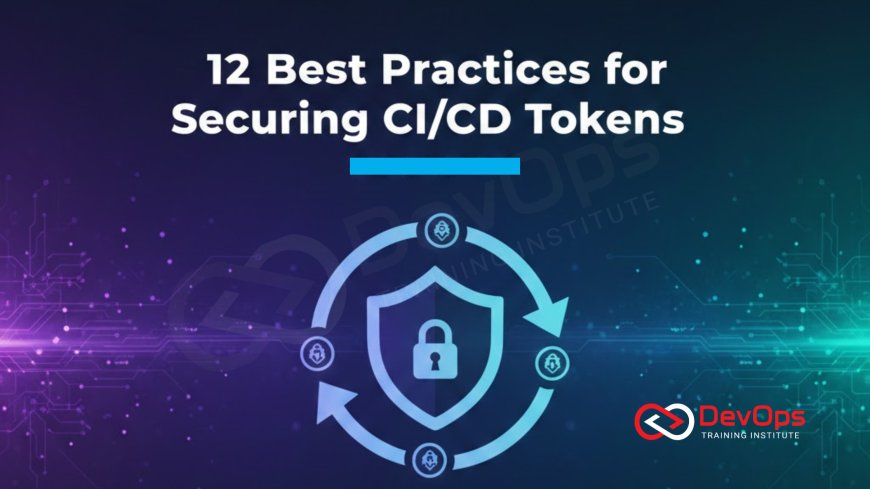
12 Best Practices for Securing CI/CD Tokens
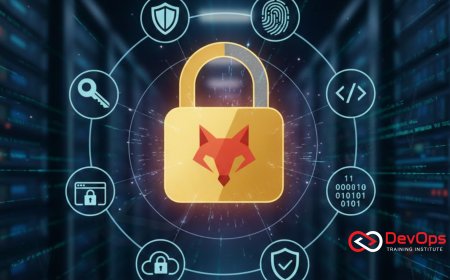
Securing CI/CD tokens is a fundamental requirement for maintaining a safe and reliable software delivery pipeline in modern cloud environments. This detailed guide explores twelve essential best practices, ranging from automated secret rotation and least privilege access to centralized vault management and environment scoping. Learn how to prevent credential leaks, protect your infrastructure, and ensure that your automated workflows remain resilient against evolving cyber threats while maintaining high development velocity and operational excellence today.
Introduction to CI/CD Token Security
In the modern era of automated software delivery, tokens are the keys to the kingdom. They allow your automated pipelines to talk to cloud providers, push code to repositories, and deploy applications to production servers without human intervention. While this automation is essential for speed and efficiency, it also introduces a significant security risk. If a single token is leaked or misused, it can provide an attacker with high level access to your entire infrastructure, leading to data breaches or service disruptions.
Securing these tokens requires a combination of robust tools and disciplined practices. It is not just about keeping a password secret; it is about designing a system where tokens are short lived, restricted to specific tasks, and monitored for suspicious activity. This guide will walk you through twelve essential best practices that will help you build a more secure foundation for your automated workflows. By following these steps, you can enjoy the benefits of fast delivery while ensuring that your most sensitive credentials remain protected from prying eyes.
The Principle of Least Privilege Access
One of the most effective ways to secure your CI/CD environment is to implement the principle of least privilege. This means that every token should only have the absolute minimum permissions required to perform its specific task. For example, a token used to run unit tests should not have the permission to delete a database or modify cloud firewall rules. By narrowing the scope of what a token can do, you significantly limit the potential damage if that token were to be compromised.
Applying this principle requires a deep understanding of your pipeline steps. You should avoid using administrative or "god" tokens that have broad access across your entire account. Instead, create specific identities for different parts of the workflow. This granular approach is a key part of platform engineering, where the infrastructure team provides safe and restricted pathways for developers to get their work done. When tokens are restricted, your overall security posture improves because attackers cannot use a leaked low level token to move laterally through your system.
Centralized Secret Management and Vaults
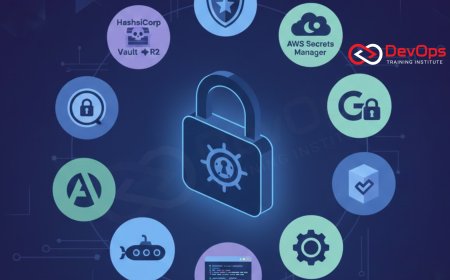
Storing tokens directly in your source code or in plain text configuration files is a recipe for disaster. Instead, you should use a centralized secret management tool, often referred to as a vault. These tools are designed specifically to store sensitive information like API keys, database passwords, and CI/CD tokens. They provide encryption at rest and in transit, ensuring that only authorized services can retrieve the secrets when they are needed during a pipeline run.
Using a vault allows you to decouple your secrets from your code. When a pipeline starts, it authenticates with the vault to fetch the necessary tokens dynamically. This approach makes it much easier to manage secrets across multiple teams and environments. It also simplifies the process of updating or rotating tokens because you only have to change the value in one central location. Centralized management is a core component of a modern gitops workflow, where the desired state of the system is managed through version control while sensitive data remains securely tucked away in a protected vault.
Automated Token Rotation and Expiry
The longer a token is valid, the greater the risk it poses. Static tokens that never change are particularly dangerous because if they are leaked, they can be used indefinitely until someone manually notices the breach and revokes them. To mitigate this risk, you should implement automated token rotation. This involves regularly generating new tokens and retiring old ones, ensuring that any single token has a limited lifespan and reducing the window of opportunity for an attacker.
Ideally, you should move toward using short lived, dynamic tokens that expire in a matter of hours or even minutes. Many cloud providers and secret management tools now offer features that generate temporary credentials specifically for a single CI/CD job. Once the job is finished, the token becomes invalid. This level of automation ensures that security is baked into the process rather than being a manual chore. This proactive approach to credential management is a vital part of devsecops, where security measures are integrated directly into the automated delivery lifecycle to protect the business.
Table: Best Practices for CI/CD Token Management
| Best Practice | Security Impact | Implementation Effort | Key Benefit |
|---|---|---|---|
| Least Privilege | High | Medium | Limits blast radius of leaked tokens. |
| Secret Vaulting | Critical | High | Prevents tokens from appearing in code. |
| Token Rotation | High | Medium | Reduces duration of unauthorized access. |
| Environment Scoping | Medium | Low | Protects production from dev pipeline leaks. |
| Audit Logging | Medium | Medium | Provides visibility into token usage. |
Masking Secrets in Build Logs
Build logs are an essential tool for troubleshooting failed pipelines, but they can also be a significant security vulnerability if they accidentally print sensitive tokens. Many CI/CD platforms have built in features that scan the log output and replace known secrets with asterisks or other masking symbols. You should always ensure that these features are enabled and correctly configured to prevent credentials from being exposed to anyone with access to the build history.
Beyond automatic masking, developers should be trained to avoid printing environment variables or debug information that might contain sensitive data. Even with masking, it is possible for secrets to leak through complex formatting or encoding. Regular reviews of log output and the use of scanning tools can help identify and remediate these leaks before they cause problems. Maintaining clean and secure logs is an important aspect of observability, ensuring that you have the data you need to fix problems without compromising the safety of your environment.
Scoping Tokens to Specific Environments
A token that is used to deploy to a development environment should never have the ability to touch your production servers. Scoping tokens to specific environments is a critical best practice that prevents a security issue in a lower environment from escalating into a production outage. By creating separate sets of credentials for development, staging, and production, you build a series of firewalls that protect your most important assets.
This environment separation should also extend to the CI/CD platform itself. Most modern tools allow you to define "environments" and restrict which variables and secrets are available to jobs running in those environments. This ensures that a developer working on a feature branch cannot accidentally use a production token to run a test. This level of control is essential for implementing safe canary releases where changes are slowly rolled out to users. By ensuring that only authorized production tokens are used during the final stages of a release, you maintain high confidence in the integrity of your production environment.
Monitoring and Auditing Token Usage
Visibility is a key component of security. You should always maintain a detailed audit log of when and where your CI/CD tokens are being used. Most secret management tools and cloud providers offer logging features that record every time a token is requested, who requested it, and what actions were performed. Regularly reviewing these logs can help you identify unusual patterns, such as a token being used from an unexpected IP address or at an odd time of night.
In addition to manual reviews, you can set up automated alerts for high risk activities. For example, if a token with broad permissions is used, your security team should be notified immediately. This real time monitoring is a crucial part of maintaining a resilient system. You can even use chaos engineering techniques to simulate a token leak and verify that your monitoring and alerting systems correctly identify the threat. By constantly testing your defenses, you ensure that your team is prepared to respond quickly and effectively to any real security incident that may occur.
Securing the CI/CD Runner Environment
The environment where your CI/CD jobs actually run is just as important as the tokens themselves. If the runner is compromised, an attacker could potentially intercept tokens as they are injected into the memory of the process. Whether you are using hosted runners provided by your CI/CD platform or managing your own self hosted infrastructure, you must ensure that these environments are hardened and isolated from each other.
- Use ephemeral runners that are destroyed after every single job to prevent data from persisting between runs.
- Limit the network access of your runners so they can only talk to the specific services they need to perform their tasks.
- Regularly update the underlying operating system and software on your runners to protect against known vulnerabilities.
- Use dedicated runners for sensitive production deployments to keep them isolated from general development builds.
By securing the runners, you close a significant gap in the software delivery lifecycle. This practice complements other security measures like shift left testing where security checks are moved earlier in the process. Ensuring that the final deployment environment is secure is the last line of defense in protecting your users. A hardened runner environment provides the necessary peace of mind that your automated processes are executing in a safe and controlled manner, free from external interference or malicious tampering.
Preventing Secret Leakage in Source Control
The most common way tokens are leaked is through accidental commits to source control repositories. Once a secret is pushed to a platform like GitHub, it is very difficult to completely remove it, as it may persist in the commit history or be captured by automated scrapers. To prevent this, you should use pre-commit hooks and scanning tools that automatically check for patterns resembling tokens or keys before the code is even allowed to be committed to the repository.
In addition to automated tools, educating developers on how to properly handle secrets is essential. They should be encouraged to use feature flags to manage feature rollouts without needing to embed credentials in their code. By creating a culture where security is everyone's responsibility, you significantly reduce the likelihood of accidental leaks. If a leak does occur, you should have a clear incident response plan that includes immediately revoking the compromised token, rotating all related credentials, and conducting a thorough investigation to determine the extent of the exposure.
Conclusion
Securing CI/CD tokens is an ongoing journey that requires constant vigilance and a commitment to best practices. By implementing the twelve strategies discussed in this guide, from least privilege access and centralized vaulting to automated rotation and runner hardening, you can significantly reduce the risk of a devastating credential leak. These practices do not just protect your infrastructure; they also empower your developers to move faster by providing them with a safe and predictable environment. As your organization continues to embrace automation, remember that security must remain a core part of the design process. By integrating security measures directly into your pipelines through how does devsecops integrate security principles, you ensure that your delivery process is both fast and resilient. Building a secure CI/CD foundation is the only way to maintain the trust of your users and the integrity of your business in an increasingly complex digital landscape. Start implementing these best practices today and take the first step toward a more secure and successful future for your automated workflows.
Frequently Asked Questions
What is a CI/CD token?
A CI/CD token is a digital credential that allows automated pipelines to access external services like cloud providers or code repositories.
Why shouldn't I store tokens in my code?
Storing tokens in code makes them visible to anyone with access to the repository and increases the risk of accidental exposure.
What is a secret vault?
A secret vault is a dedicated tool used to securely store and manage sensitive information like API keys and passwords with encryption.
How often should I rotate my tokens?
Tokens should be rotated regularly based on their sensitivity, with some high risk tokens being rotated after every single pipeline run.
What is the principle of least privilege?
It is the practice of giving a token only the minimum access rights it needs to perform its specific automated task successfully.
Can CI/CD logs leak secrets?
Yes, if not properly masked, build logs can accidentally print sensitive credentials, making them visible to anyone who views the build history.
How does environment scoping help security?
Environment scoping ensures that development tokens cannot be used to modify production infrastructure, providing a critical layer of separation and safety.
What is secret masking?
Secret masking is a feature that automatically detects and hides sensitive tokens in pipeline output logs using asterisks or other placeholder characters.
Should I use self-hosted CI/CD runners?
Self-hosted runners offer more control over security but require more maintenance and hardening effort compared to managed cloud based runners.
How do I detect leaked secrets in Git?
You can use specialized scanning tools that search your commit history for patterns that look like API keys or private certificates.
What is a dynamic secret?
A dynamic secret is a token generated on the fly for a specific task that automatically expires after a short period.
Can I use feature flags for security?
Yes, feature flags help manage functionality without embedding sensitive logic or credentials directly into your main application code base.
What happens if a token is leaked?
If a token is leaked, you must immediately revoke it, rotate all associated credentials, and audit your logs for unauthorized activity.
What are pre-commit hooks?
Pre-commit hooks are scripts that run locally on a developer's machine to check for security issues before code is committed.
Is manual token management okay for small teams?
While possible, even small teams should use basic automation and vaulting to avoid the high risks associated with manual credential handling.
What's Your Reaction?
 Like
0
Like
0
 Dislike
0
Dislike
0
 Love
0
Love
0
 Funny
0
Funny
0
 Angry
0
Angry
0
 Sad
0
Sad
0
 Wow
0
Wow
0

![100+ Azure DevOps Interview Questions and Answers [Updated 2025]](https://www.devopstraininginstitute.com/blog/uploads/images/202509/image_140x98_68c40aa9a3834.jpg)






![Future Scope of DevOps Careers in Pune [Updated 2025]](https://www.devopstraininginstitute.com/blog/uploads/images/202510/image_140x98_68e3a84652312.jpg)