



![Kong Interview Preparation Guide [2025]](https://www.devopstraininginstitute.com/blog/uploads/images/202509/image_430x256_68dbb95326997.jpg)

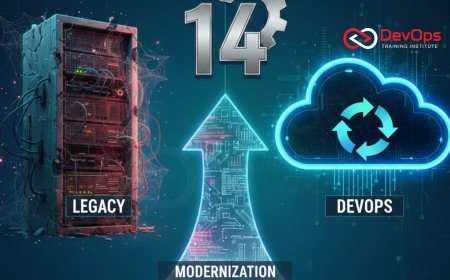
12 Hybrid DevOps Approaches for Legacy Integration
Discover how 12 Hybrid DevOps Approaches for Legacy Integration can bridge the gap between aging on-premise systems and modern cloud environments. This comprehensive guide explores practical strategies for maintaining system stability while accelerating software delivery cycles. Learn how to implement automation, cultural shifts, and architectural patterns that ensure your legacy infrastructure remains a competitive asset rather than a technical liability in the modern digital landscape.

Introduction
Navigating the complex world of modern technology often requires finding a balance between cutting edge innovations and the reliable systems of the past. Many large organizations still rely heavily on legacy infrastructure that was built decades ago to handle core business logic and critical data storage. While these systems are stable and proven, they often lack the flexibility required to keep up with the fast-paced demands of today's digital marketplace and consumer expectations.
Hybrid DevOps serves as a vital bridge that connects these traditional environments with modern cloud-native practices. By adopting specific strategies designed for integration, companies can enjoy the speed of DevOps without the risk of completely replacing their foundational software. This approach allows teams to modernize at their own pace while ensuring that existing services remain operational and secure throughout the entire transition period.
The Challenge of Technical Debt
Technical debt refers to the accumulated cost of choosing an easy or limited solution today instead of a better approach that would take longer to implement. In the context of legacy systems, this debt often manifests as outdated code bases, manual deployment processes, and a lack of automated testing. These factors create significant bottlenecks that slow down the development lifecycle and make it difficult for engineers to introduce new features without breaking existing functionality.
Addressing these challenges requires a shift in mindset from both management and technical staff. Instead of viewing legacy systems as a burden, hybrid cultural change allows teams to treat them as stable platforms that can be gradually enhanced. By identifying the most critical areas of technical debt, organizations can prioritize their modernization efforts and apply DevOps principles where they will have the greatest impact on productivity and reliability.
Modularization through Microservices
One of the most effective ways to integrate legacy systems into a modern pipeline is through the process of modularization. This involves breaking down large, monolithic applications into smaller, more manageable components known as microservices. Each service performs a specific function and communicates with other services through well-defined interfaces. This separation allows developers to update individual parts of the system without needing to redeploy the entire application at once.
When applying this to a hybrid model, the core legacy system often remains intact while new features are built as microservices. These new services can leverage modern cloud architecture patterns to ensure high availability and scalability. Over time, more functionality can be migrated out of the legacy core, gradually reducing the footprint of the old code while maintaining continuous service for the end users and stakeholders.
Automated Testing for Stability
Automation is the heartbeat of any successful DevOps practice, but it is especially critical when dealing with legacy integration. Because older systems often lack comprehensive documentation, making changes can feel like walking through a minefield. Automated testing provides a safety net by verifying that new code does not negatively affect existing features. This builds confidence among the development team and allows for more frequent releases with lower risk of failure.
Implementing automation for legacy systems typically starts with creating regression tests that capture the current behavior of the software. Once these tests are in place, developers can begin refactoring code or adding new features with the knowledge that any errors will be caught immediately. This shift toward continuous verification ensures that quality is maintained throughout the integration process and helps to eliminate the manual testing phases that often cause delays.
Comparison of Integration Strategies
| Approach Name | Key Focus Area | Implementation Difficulty | Primary Benefit |
|---|---|---|---|
| Strangler Pattern | Incremental Replacement | Medium | Reduced Risk |
| API Wrappers | Communication Layer | Low | Easy Access |
| Containerization | Environment Isolation | High | Portability |
| Shared Databases | Data Consistency | Medium | Direct Access |
Containerization and Legacy Workloads
Containerization is a transformative technology that allows developers to package an application with all of its dependencies into a single unit. While often associated with modern apps, it is also a powerful tool for legacy integration. By placing a legacy application inside a container, you can simulate a modern environment and make it easier to manage using orchestration tools. This provides a consistent way to deploy software across different servers and cloud providers.
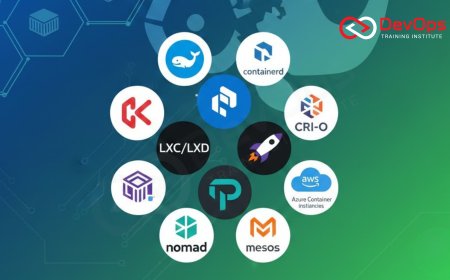
When choosing a runtime for these containers, teams must decide between various technologies based on their specific needs. For example, some might ask when is it better to use containerd to optimize performance in a cluster. Regardless of the specific tool, the goal is to make the legacy workload behave more like a modern cloud application. This abstraction layer simplifies the work of operations teams and allows them to apply the same monitoring and security protocols across the entire infrastructure.
Implementing Secure Pipelines
Security should never be an afterthought, especially when connecting modern internet facing services to sensitive legacy databases. A hybrid DevOps approach incorporates security directly into the deployment pipeline, a practice often called DevSecOps. This involves scanning code for vulnerabilities, checking for hardcoded credentials, and ensuring that all access points are properly authenticated and authorized to prevent unauthorized data breaches or leaks.
Integrating security tools into the workflow helps teams catch issues before they reach production. For instance, using admission controllers can help enforce policies at the infrastructure level. Additionally, implementing secret scanning tools is essential for protecting the integrity of the code repository. By automating these checks, organizations can maintain a high security posture without slowing down the development process or requiring constant manual audits by security experts.
Operational Best Practices
Maintaining a hybrid environment requires a clear set of operational practices to ensure everything runs smoothly. Communication is key, as different teams may be responsible for the legacy hardware and the modern cloud services. Establishing clear channels for incident response and system monitoring can prevent small issues from becoming major outages. Using modern communication tools can also help bridge the gap between development and operations personnel.
- Establish unified monitoring dashboards that show the health of both legacy and cloud components in one place.
- Implement standardized logging formats to make it easier to trace requests as they move through different systems.
- Create a shared knowledge base where documentation for both old and new systems is easily accessible to all team members.
- Use automated alerting to notify the right people immediately when a performance threshold is exceeded or a service fails.
- Schedule regular cross team meetings to discuss upcoming changes and identify potential integration challenges early.
These practices foster a culture of transparency and shared responsibility. When everyone has access to the same information, it is much easier to collaborate on solutions and improve the overall resilience of the system. Over time, these habits become ingrained in the team culture, making it easier to adopt even more advanced DevOps techniques and further optimize the hybrid infrastructure for long term success.
Conclusion
Integrating legacy systems with modern DevOps practices is a journey rather than a single event. It requires a thoughtful combination of technological tools, architectural changes, and cultural shifts. By focusing on hybrid approaches like modularization, containerization, and automated security, organizations can preserve the value of their existing investments while embracing the agility of the cloud. This balanced path reduces risk, empowers development teams, and ultimately provides better value to customers through more reliable and frequent software updates.
As you move forward with your modernization strategy, remember that the goal is continuous improvement. Start with small, manageable changes and use the data gathered from those efforts to guide your next steps. Whether you are improving your deployment speed or enhancing your security protocols, every step toward a more integrated hybrid environment brings you closer to a truly modern IT infrastructure. The flexibility gained from these efforts will allow your business to remain resilient and competitive in an ever changing digital world.
Frequently Asked Questions
What is hybrid DevOps in a business context?
Hybrid DevOps is a strategy that combines modern cloud automation with traditional on-premise legacy systems to improve software delivery speed and reliability.
Why should companies keep legacy systems?
Legacy systems often contain critical business logic and stable data that would be too expensive or risky to replace in a single move.
How does containerization help legacy applications?
It wraps the old software in a consistent environment, making it easier to deploy and manage using modern cloud orchestration tools and pipelines.
What is the strangler pattern?
This is a modernization technique where new functionality gradually replaces legacy features until the old system can be safely decommissioned over time.
Can I use automated testing with old code?
Yes, you can write tests that verify existing behavior, which provides a safety net when you begin making changes or adding features.
What role does security play in integration?
Security is vital to ensure that connecting modern apps to legacy databases does not create new vulnerabilities or expose sensitive company data.
How do microservices fit into this model?
Microservices allow you to build new features separately from the legacy core, enabling faster updates and much better overall system scalability.
Is cultural change necessary for DevOps?
Success requires a shift toward collaboration and shared responsibility between developers and operations teams to ensure smooth and efficient system integration.
What are the risks of ignoring legacy modernization?
Ignoring these systems leads to increased technical debt, slower release cycles, and a higher risk of system failure as hardware becomes obsolete.
How do I start a hybrid DevOps journey?
Begin by identifying a small, low risk component of your system to automate or containerize, then expand based on your initial success.
Does hybrid DevOps require moving everything to the cloud?
No, the hybrid approach specifically allows you to keep some components on-premise while leveraging cloud benefits for other parts of the application.
What tools are common in hybrid environments?
Common tools include Jenkins for automation, Docker for containers, and various monitoring solutions that can bridge both local and cloud hosted infrastructure.
How can I measure the success of integration?
Measure success by tracking metrics like deployment frequency, mean time to recovery from failures, and the overall stability of the integrated system.
Can legacy systems support continuous delivery?
With the right wrappers and automation scripts, even older systems can participate in a continuous delivery pipeline to speed up software releases.
What is the biggest hurdle in legacy integration?
The biggest hurdle is often the lack of documentation and the fear of breaking mission critical systems that have worked for years.
What's Your Reaction?
 Like
0
Like
0
 Dislike
0
Dislike
0
 Love
0
Love
0
 Funny
0
Funny
0
 Angry
0
Angry
0
 Sad
0
Sad
0
 Wow
0
Wow
0

![100+ Azure DevOps Interview Questions and Answers [Updated 2025]](https://www.devopstraininginstitute.com/blog/uploads/images/202509/image_140x98_68c40aa9a3834.jpg)






![Future Scope of DevOps Careers in Pune [Updated 2025]](https://www.devopstraininginstitute.com/blog/uploads/images/202510/image_140x98_68e3a84652312.jpg)