


































![Kong Interview Preparation Guide [2025]](https://www.devopstraininginstitute.com/blog/uploads/images/202509/image_430x256_68dbb95326997.jpg)
















10 DevOps Mindset Changes for Faster Releases
In the modern software development landscape, achieving rapid delivery requires more than just high quality tools and automation. It demands a fundamental shift in how teams perceive their roles and responsibilities. This comprehensive guide explores ten essential DevOps mindset changes designed to accelerate release cycles, improve cross functional collaboration, and foster a culture of continuous improvement that drives business value and operational excellence for your entire organization.
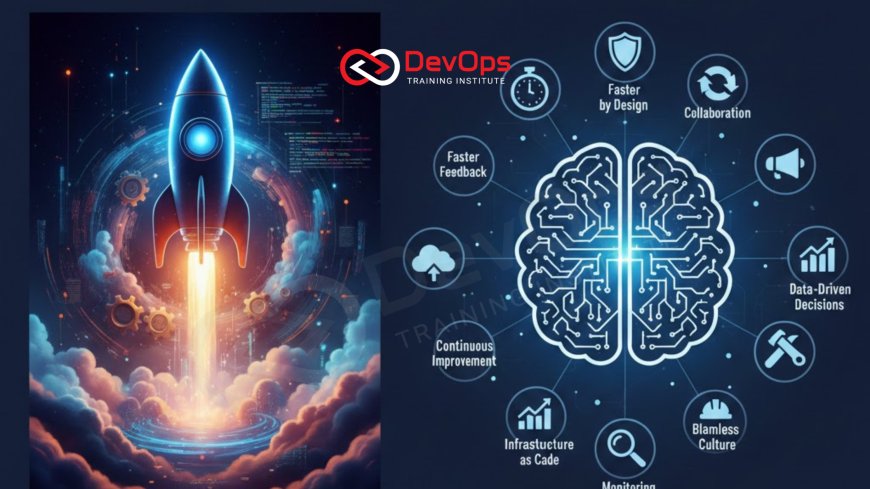
Introduction to the DevOps Cultural Shift
The journey toward rapid software delivery often starts with a focus on technology, yet the most significant hurdles are frequently human in nature. Transitioning to a DevOps approach is not merely about installing new software or adopting a specific cloud platform. Instead, it involves a deep psychological and cultural transformation that alters how developers, operations staff, and stakeholders interact with one another on a daily basis.
When teams embrace a DevOps mindset, they move away from the traditional siloed approach where departments work in isolation. This shift focuses on shared goals and collective responsibility for the entire lifecycle of an application. By prioritizing communication and transparency, organizations can eliminate the friction that typically slows down the path from code completion to production deployment, ultimately leading to more reliable and faster releases for the end users.
Embracing Collective Ownership of Quality
In a legacy environment, quality assurance is often treated as a final gatekeeper phase that happens just before a release. However, a DevOps mindset encourages everyone on the team to take ownership of quality from the very first line of code. This means developers are not just writing features but are also responsible for testing their work and ensuring that it meets the necessary standards for performance and security before it ever reaches a staging environment.
This sense of collective ownership reduces the likelihood of bugs being discovered late in the cycle, which is a major cause of delivery delays. When the entire team feels responsible for the health of the application, they are more likely to collaborate on solving issues rather than pointing fingers. This proactive stance on quality ensures that the pipeline remains clear and that the software remains in a deployable state at all times, which is vital for maintaining a high velocity.
The Shift Toward Small and Frequent Updates
One of the most impactful mindset changes is moving away from massive, infrequent releases toward small and manageable updates. Large releases carry a high level of risk because they contain numerous changes that can interact in unpredictable ways. By breaking down work into smaller increments, teams can test and deploy updates more frequently, which significantly lowers the risk of failure and makes it much easier to identify the cause of any issues that do arise.
Deploying small batches of code allows for a much tighter feedback loop with users and stakeholders. Instead of waiting months to see if a feature is successful, teams can release a minimum viable product and iterate based on real world usage data. This agility is a core component of modern software development, enabling companies to respond quickly to market changes and customer needs without the stress and overhead associated with traditional big bang deployments.
Prioritizing Automation over Manual Intervention
To achieve truly fast releases, manual processes must be minimized or eliminated entirely. A DevOps mindset views every manual task as a potential bottleneck and a source of human error. Whether it is building code, running tests, or configuring infrastructure, automation provides a consistent and repeatable way to handle repetitive actions. This allows the talented members of your team to focus on high value creative work rather than being bogged down by routine maintenance.
Automation is not just about speed; it is about building confidence in the delivery pipeline. When a process is automated, it behaves the same way every time, regardless of who triggers it. This consistency is essential for maintaining stability as the frequency of updates increases. By investing in robust automation, organizations create a scalable foundation that can support growing demand and complex software architectures without requiring a linear increase in headcount.
Comparison of Traditional and DevOps Mindsets
| Feature | Traditional Mindset | DevOps Mindset |
|---|---|---|
| Responsibility | Siloed by department | Shared across the team |
| Release Size | Large, infrequent batches | Small, continuous updates |
| Feedback Loop | Slow and disconnected | Rapid and integrated |
| Approach to Failure | Blame and avoidance | Learning and resilience |
| Tooling | Manual and fragmented | Automated and unified |
Learning from Failure Through Blameless Postmortems
In a high pressure environment, it is tempting to seek someone to blame when something goes wrong. However, a DevOps culture views failures as valuable learning opportunities rather than reasons for punishment. By conducting blameless postmortems, teams can objectively analyze what happened, identify systemic issues, and implement changes to prevent the problem from recurring. This psychological safety encourages team members to be honest about mistakes and proactive in finding solutions.
When the fear of failure is removed, teams become more innovative and willing to take calculated risks that can lead to faster delivery. They understand that perfection is not the goal; instead, the focus is on resilience and the ability to recover quickly. This mindset shift is critical for maintaining momentum in a fast paced environment, as it ensures that the organization is constantly evolving and improving its processes based on actual performance data and incident handling experiences.
Key Practices for Sustaining a DevOps Mindset
Maintaining a DevOps culture requires ongoing effort and a commitment to specific practices that reinforce the new way of working. It is not a one time project but a continuous journey of improvement. Here are several core practices that help keep teams aligned and focused on delivering value quickly and efficiently:
- Continuous Integration and Deployment: Regularly merging code changes into a central repository and automating the path to production.
- Infrastructure as Code: Managing and provisioning servers and services through machine readable files rather than manual configuration.
- Proactive Monitoring: Keeping a close watch on application health and performance to catch issues before they affect users.
- Open Communication: Breaking down walls between teams to ensure everyone is working toward the same business objectives.
- Iterative Development: Embracing a cycle of planning, building, testing, and reviewing to allow for constant refinement.
By embedding these practices into the daily workflow, organizations can ensure that the DevOps mindset becomes second nature. This consistency helps to build trust between different departments and provides a clear framework for making decisions that prioritize speed without compromising on the stability of the system.
Breaking Down Silos with Enhanced Collaboration
The traditional gap between development and operations teams often results in mismatched expectations and delayed releases. A core DevOps mindset change involves actively breaking down these silos to foster a collaborative environment. When developers understand the operational challenges of running software, and operations staff understand the development process, the entire cultural change becomes much more effective and sustainable.
Collaboration can be enhanced through shared tools, cross functional meetings, and even co locating team members. When everyone has visibility into the entire pipeline, they can identify potential bottlenecks earlier and work together to resolve them. This unified approach ensures that the path from an idea to a finished product is as smooth as possible, significantly reducing the time it takes to deliver new features and improvements to the customer base.
Focusing on the End User Experience
Ultimately, the goal of any DevOps transformation is to provide better value to the end user. A user centric mindset ensures that every technical decision is evaluated based on its impact on the customer experience. Instead of focusing solely on internal metrics like server uptime or lines of code, teams should look at how their work improves the lives of the people using their software. This perspective helps in prioritizing tasks that truly matter and discarding those that do not contribute to the final product.
By incorporating user feedback early and often, teams can ensure they are building the right things. This reduces the wasted effort of developing features that nobody wants and allows for a more streamlined development process. When the entire organization is aligned with the needs of the customer, the speed of delivery becomes a competitive advantage that drives growth and builds long term loyalty. Understanding cloud architecture can also help in delivering a more responsive and reliable experience to these users.
Harnessing Technical Innovation for Agility
While culture is the foundation, leveraging modern technical trends is essential for achieving the highest levels of release speed. Technologies like GitOps provide a clear and declarative way to manage infrastructure and applications, ensuring that the state of your environment matches what is defined in your version control system. This level of precision and automation is a hallmark of a mature DevOps organization that values efficiency and accuracy.
Furthermore, staying informed about the emerging trends in the industry allows teams to continuously refine their toolsets and strategies. Whether it is adopting new container technologies or integrating artificial intelligence into the testing process, the willingness to adapt and experiment is a key part of the DevOps mindset. This commitment to innovation ensures that the organization remains agile and capable of meeting the demands of a rapidly changing technological landscape.
Conclusion and Summary of Best Practices
Achieving faster releases is not a goal that can be reached overnight through the purchase of a single tool. It requires a comprehensive shift in how individuals and teams think about their work, their colleagues, and their customers. By embracing collective ownership, prioritizing automation, and fostering a culture of continuous learning, organizations can break free from the constraints of traditional development cycles and move toward a more dynamic and responsive model.
The transition to a DevOps mindset is a powerful journey that yields significant rewards in terms of both software quality and delivery speed. As teams become more collaborative and focused on automation, they build a resilient foundation that can withstand the pressures of modern business. Remember that the human element is just as important as the technology; by investing in people and culture, you pave the way for long term success and a more fulfilling environment for everyone involved in the software lifecycle.
Frequently Asked Questions
What is the primary goal of a DevOps mindset change?
The main objective is to foster collaboration and shared responsibility to deliver high quality software updates more frequently and reliably.
How does automation help in achieving faster releases?
Automation removes manual bottlenecks and reduces human error, ensuring a consistent and rapid flow of code from development to production.
Why are small updates better than large ones?
Small updates are less risky, easier to test, and allow for faster troubleshooting if something goes wrong during the deployment process.
What is a blameless postmortem in DevOps?
It is a meeting where teams analyze failures without blaming individuals, focusing instead on improving systems to prevent future recurring issues.
How do silos affect software delivery speed?
Silos create communication barriers and handoff delays, which significantly slow down the overall progress of software development and deployment cycles.
What role does quality play in a DevOps culture?
Quality is a shared responsibility of the entire team, integrated into every stage of the lifecycle rather than being a final step.
Can a DevOps mindset be adopted without new tools?
Yes, while tools help, the mindset is primarily about cultural changes, communication, and a commitment to continuous improvement across the organization.
How does shift left security benefit the release cycle?
By addressing security concerns early in development, teams avoid costly and time consuming fixes that often occur just before a release.
What is the importance of feedback loops?
Fast feedback loops allow teams to quickly identify issues and validate features, ensuring the product meets user needs and remains stable.
Who is responsible for driving DevOps change?
Cultural change is driven by both leadership and individual contributors who advocate for better collaboration and more efficient workflows every day.
How does monitoring impact the release process?
Monitoring provides real time data on application performance, allowing teams to proactively address issues before they impact the end user experience.
What is the benefit of managing infrastructure as code?
Infrastructure as code allows for automated, version controlled, and repeatable environment setups, which accelerates the deployment process and ensures consistency.
How do container technologies support DevOps?
Containers provide a consistent environment for applications to run, making it easier to move code between different stages of the pipeline. Check out containerd for more info.
Why is user feedback essential for DevOps teams?
User feedback ensures that the team is delivering value and allows for rapid adjustments based on actual customer usage and requirements.
How can a team start its DevOps journey?
Start by identifying a single bottleneck, improving communication between dev and ops, and gradually automating repetitive tasks to build early momentum.
What's Your Reaction?
 Like
0
Like
0
 Dislike
0
Dislike
0
 Love
0
Love
0
 Funny
0
Funny
0
 Angry
0
Angry
0
 Sad
0
Sad
0
 Wow
0
Wow
0



![100+ Azure DevOps Interview Questions and Answers [Updated 2025]](https://www.devopstraininginstitute.com/blog/uploads/images/202509/image_140x98_68c40aa9a3834.jpg)






![Future Scope of DevOps Careers in Pune [Updated 2025]](https://www.devopstraininginstitute.com/blog/uploads/images/202510/image_140x98_68e3a84652312.jpg)


