



![Kong Interview Preparation Guide [2025]](https://www.devopstraininginstitute.com/blog/uploads/images/202509/image_430x256_68dbb95326997.jpg)




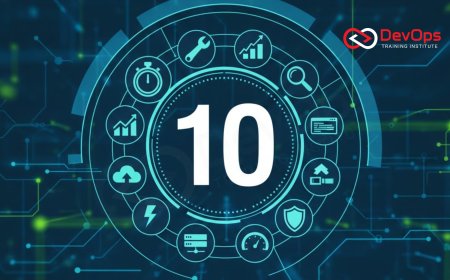
10 DevOps Playbooks for Fast Incident Resolution
Master the art of rapid problem solving with ten essential DevOps playbooks for fast incident resolution designed for high performing engineering teams in twenty twenty six. This extensive guide provides step by step frameworks for handling critical outages, security breaches, and performance bottlenecks using automated workflows and clear communication strategies. Learn how to reduce your mean time to recovery while fostering a resilient culture of blameless post mortems and continuous improvement across your entire technical organization. Whether you are managing a small startup or a massive cloud native enterprise, these playbooks offer the professional insights needed to maintain peak system reliability and user satisfaction in an increasingly complex and fast paced digital landscape today.
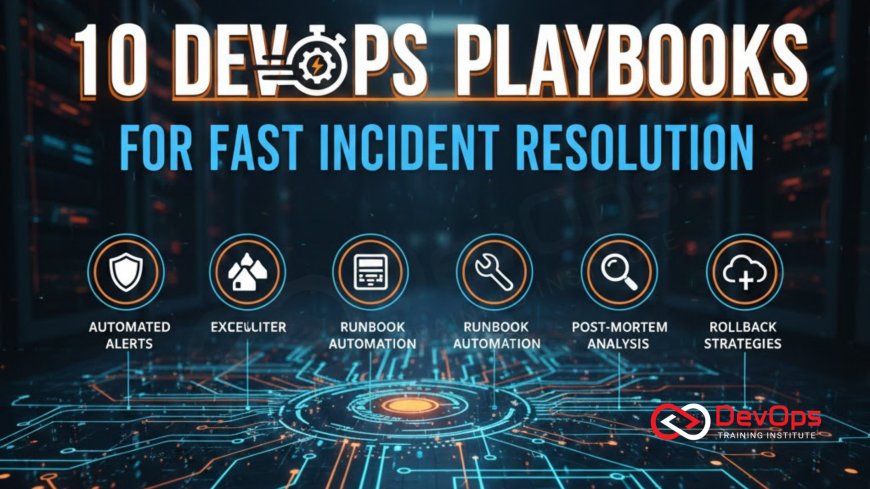
Introduction to Modern Incident Management
In the modern digital landscape, the question is no longer if an incident will occur, but how quickly your team can respond and resolve it. DevOps playbooks for fast incident resolution are structured guides that provide engineers with clear, repeatable steps to handle unexpected system disruptions effectively. These documents are essential for maintaining high availability and ensuring that even the most complex technical failures are met with a calm and organized response. By defining roles and actions ahead of time, organizations can eliminate the chaos that often accompanies a major production outage and focus entirely on restoring service to their users.
The transition to a proactive incident management culture requires a blend of advanced tooling and strategic organizational design. In twenty twenty six, successful teams are moving beyond manual checklists toward automated, executable playbooks that can trigger self healing actions. This evolution reduces the cognitive load on on call engineers and ensures that best practices are followed consistently, regardless of the time of day or the severity of the issue. This guide explores the ten most critical playbooks that every modern DevOps team should have in their library to stay resilient and competitive in an era where every second of downtime has a direct impact on the business bottom line.
The Universal Triage and Assessment Playbook
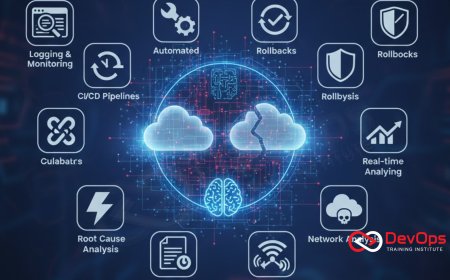
The first and most important playbook for any organization is the universal triage and assessment guide. This document outlines the immediate steps to take when an alert is triggered, focusing on identifying the scope and severity of the problem. Engineers are guided to check key service level indicators and determine which user segments or geographical regions are affected. By following a standardized assessment process, the team can quickly assign a priority level, such as SEV1 or SEV2, ensuring that the right resources are mobilized without delay. This initial clarity is vital for preventing a small glitch from escalating into a full scale crisis.
During the triage phase, communication is just as important as technical investigation. The playbook specifies which stakeholders need to be notified and which internal chat channels should be used for the "war room." Utilizing ChatOps techniques during this stage allows for automated updates to status pages and internal dashboards, keeping everyone informed without requiring manual effort from the responders. This level of organization ensures that the technical experts can stay focused on the code and infrastructure while the management team handles the business implications of the incident effectively and transparently.
Automated Rollback and Deployment Recovery
One of the most frequent causes of incidents is a faulty code deployment or a configuration change that has unintended side effects. The automated rollback playbook provides a safe and rapid path to restore the system to its last known good state. It includes specific commands for the CI CD pipeline to revert changes across different environments, from staging to production. By having a pre tested recovery plan, teams can undo a mistake in minutes rather than hours, significantly reducing the impact on the end user experience and maintaining the integrity of the release strategies currently in place.
Success with this playbook requires a deep integration between your deployment tools and monitoring systems. The process often involves checking the cluster states to ensure that the rollback was successful and that the system is once again healthy. In twenty twenty six, many teams are using continuous verification to automatically trigger these rollbacks when specific performance thresholds are breached after a new release. This hands off approach to recovery allows for much faster resolution and frees up engineers to investigate the root cause of the failure in a low pressure environment once the immediate threat to service availability has been resolved.
Database Failover and Data Integrity Playbook
Database issues can be among the most challenging incidents to resolve due to the risk of data loss or corruption. A dedicated database failover playbook outlines the exact sequence for promoting a standby replica to primary status and ensuring that application traffic is routed correctly. It also includes steps for verifying data consistency and integrity before declaring the incident resolved. This structured approach is critical for maintaining the trust of your users and ensuring that your organization remains compliant with data protection regulations even during a major infrastructure failure or cloud regional outage.
In addition to failover, this playbook covers the process for identifying and killing long running queries that may be locking resources and causing performance degradation. Engineers are taught how to use specialized monitoring tools to pinpoint the exact source of database contention. For teams using cloud architecture patterns designed for high scale, this might also involve temporary sharding or scaling up the database instance to handle a sudden surge in traffic. By documenting these procedures, you ensure that even junior members of the on call rotation can manage complex data tier issues with confidence and precision.
DevOps Incident Resolution Playbook Comparison
| Playbook Name | Primary Focus | Key Action | Success Metric |
|---|---|---|---|
| Triage & Assessment | Initial impact analysis | Severity assignment | Time to detect (MTTD) |
| Deployment Rollback | Undoing faulty changes | Version reversion | Time to restore (MTTR) |
| Database Failover | Data layer availability | Replica promotion | Data integrity score |
| Scaling & Capacity | Resource exhaustion | Horizontal scaling | System throughput |
| Security Breach | Threat containment | Credential rotation | Blast radius limit |
Rapid Response for Security and Credential Leaks
Security incidents require a unique playbook that prioritizes containment and evidence preservation over immediate service restoration. If a potential breach or credential leak is detected, the playbook guides the team through the process of isolating affected systems and revoking compromised access keys. This often involves the use of secret scanning tools to identify how far the leak has spread and which other services might be at risk. Speed is of the essence here to minimize the "blast radius" and protect sensitive customer data from further unauthorized access.
The security playbook also outlines the legal and regulatory notification requirements that the organization must follow. This ensures that the leadership team is aware of their obligations and can communicate with users and authorities in a timely manner. During the investigation, engineers might use admission controllers to block the creation of new pods or services until the environment is confirmed to be secure again. This rigorous approach to security incidents helps build long term trust with your users and protects the company's reputation and financial stability in the face of increasingly sophisticated cyber threats in the modern digital age.
Scaling and Capacity Management Under Pressure
Sometimes an incident is caused by a sudden, massive surge in user traffic that overwhelms the existing infrastructure. The scaling and capacity playbook provides the steps for rapidly increasing resources to meet this demand. It includes instructions for manually triggering auto scaling groups, adding extra worker nodes to clusters, and implementing rate limiting or "load shedding" to protect critical services. By having these procedures documented, the team can prevent a total system collapse and ensure that the most important features remain available to as many users as possible during the peak load period.
This playbook is often a collaborative effort between developers and operations engineers to identify which parts of the application can be gracefully degraded. For example, you might disable a non essential recommendation engine to save CPU cycles for the checkout process. Using GitOps to manage these temporary configuration changes ensures that the environment can be easily returned to its normal state once the traffic spike has subsided. This level of preparation is essential for businesses that experience highly seasonal traffic or are prone to viral events that can test the limits of even the most well designed cloud architectures.
Top 7 Must-Have Incident Management Skills
- Critical Thinking: The ability to remain calm and analyze data logically under high pressure and tight timelines.
- Observability Mastery: Deep knowledge of how to use logs, metrics, and traces to understand complex system behaviors.
- Automated Scripting: Proficiency in writing Python or Bash scripts to automate repetitive diagnostic or remediation tasks quickly.
- Empathy and Communication: Strong soft skills to coordinate effectively with team members and keep stakeholders informed.
- Infrastructure Knowledge: A comprehensive understanding of how your specific containerd or server instances interact with the network.
- Blameless Culture Advocacy: Commitment to learning from mistakes and improving systems without pointing fingers at individuals.
- AI Tool Integration: Understanding how to leverage AI augmented devops tools to speed up root cause analysis and resolution.
Developing these skills across your entire engineering organization is a long term investment that pays off every time a production issue occurs. It is not enough to just have the playbooks; the people must be trained and empowered to use them effectively. Regular incident drills and "game days" are excellent ways to practice these plays in a safe environment. This builds the muscle memory and confidence needed for the real thing. By focusing on both the technical and the human elements of incident response, you create a resilient team that is capable of overcoming any challenge the cloud can throw at them while maintaining a positive and productive working environment.
Conclusion: Building a Resilient Future
In conclusion, the ten DevOps playbooks for fast incident resolution we have discussed are the foundation of a modern, reliable technical organization. By documenting these processes and automating where possible, you are not just preparing for failures; you are building a culture of excellence and accountability. These guides allow your team to move with speed and precision, reducing the cost of downtime and protecting the user experience. The transition from a reactive to a proactive mindset is a significant cultural change, but it is the only way to succeed in the high stakes world of twenty twenty six software delivery.
As technology continues to evolve, your playbooks must also remain living documents. Regularly review and update them based on the lessons learned from actual incidents and new tools as they become available. Embracing cultural change will ensure that your team stays aligned and motivated. By investing in these playbooks today, you are ensuring that your business is ready for the challenges of tomorrow. A resilient system is built on a foundation of clear communication, intelligent automation, and a tireless commitment to continuous improvement for everyone involved in the delivery of your digital products and services.
Frequently Asked Questions
What is the primary purpose of a DevOps incident playbook?
The primary purpose is to provide a clear and repeatable set of instructions for engineers to resolve system issues quickly and consistently.
How often should incident playbooks be updated by the team?
Playbooks should be reviewed and updated after every major incident and at least once every quarter to ensure they remain accurate and effective.
What is the difference between an incident and a problem?
An incident is an unplanned disruption to service, while a problem is the underlying cause that may result in multiple related incidents over time.
Why is a blameless post mortem important for DevOps teams?
It focuses on finding and fixing systemic issues rather than blaming individuals, which fosters a culture of trust and continuous learning for the team.
Can I automate all the steps in an incident playbook?
While many diagnostic and remediation steps can be automated, human judgment is still essential for making high level decisions and coordinating complex responses.
What role does an incident commander play during an outage?
The incident commander is responsible for leading the response, coordinating the team's efforts, and making final decisions to restore the service to users.
How do playbooks help reduce Mean Time to Recovery (MTTR)?
By providing predefined steps, they eliminate the time spent debating what to do next, allowing the team to start fixing the problem immediately.
What should be included in a basic triage playbook?
It should include steps for identifying the impact, assessing the severity, notifying stakeholders, and establishing a central communication channel for the response team.
Is it better to have many small playbooks or one large one?
Many small, specific playbooks are generally better as they are easier to search, navigate, and maintain during a high pressure incident scenario.
How can I test the effectiveness of my incident playbooks?
Conduct regular chaos engineering drills and "game days" to simulate failures and see if the team can follow the playbooks to resolution.
What are the common severity levels for DevOps incidents?
Most teams use four levels: SEV1 for critical outages, SEV2 for major issues, SEV3 for minor bugs, and SEV4 for informational alerts.
How does ChatOps improve the incident management process?
It brings information and automation directly into the chat tools teams already use, facilitating better collaboration and faster action during a crisis event.
What is an error budget in the context of SRE?
An error budget is the amount of downtime a service is allowed to have before the team must stop new releases to focus on stability.
Can non technical staff benefit from knowing the playbooks?
Yes, understanding the process helps non technical stakeholders like customer support and management provide better information and updates to users and clients.
What is the first step to take when an alert fires?
The first step is for the on call engineer to acknowledge the alert to let the team know that someone is investigating the issue.
What's Your Reaction?
 Like
0
Like
0
 Dislike
0
Dislike
0
 Love
0
Love
0
 Funny
0
Funny
0
 Angry
0
Angry
0
 Sad
0
Sad
0
 Wow
0
Wow
0

![100+ Azure DevOps Interview Questions and Answers [Updated 2025]](https://www.devopstraininginstitute.com/blog/uploads/images/202509/image_140x98_68c40aa9a3834.jpg)






![Future Scope of DevOps Careers in Pune [Updated 2025]](https://www.devopstraininginstitute.com/blog/uploads/images/202510/image_140x98_68e3a84652312.jpg)