

![Kong Interview Preparation Guide [2025]](https://www.devopstraininginstitute.com/blog/uploads/images/202509/image_430x256_68dbb95326997.jpg)

10 Skills to Transition from SysAdmin to DevOps
Transitioning from a traditional Systems Administrator role to a modern DevOps engineer requires a strategic shift in both technical skills and cultural mindset. This comprehensive guide outlines the ten essential skills needed for a successful career pivot, covering everything from infrastructure as code and cloud native technologies to continuous integration pipelines and automated security. Learn how to leverage your existing operational knowledge while adopting the automation first approach necessary to excel in today's fast paced software delivery environments and scalable infrastructure landscapes.
Introduction to the DevOps Evolution
For many years, the role of the Systems Administrator was clearly defined by managing physical servers, configuring networks manually, and ensuring that the lights stayed on in the data center. However, the rise of cloud computing and the need for rapid software releases have fundamentally changed the landscape of IT operations. The transition to DevOps is not just a change in job title but a total evolution in how we build, deploy, and maintain software systems at scale.
If you are currently a SysAdmin, you already possess a valuable foundation in hardware, networking, and troubleshooting. The bridge to DevOps involves taking those core competencies and layering on top of them a heavy focus on automation, software engineering principles, and a collaborative cultural mindset. In this article, we will explore ten specific skills that will help you make this transition successfully, ensuring you remain a vital part of the modern engineering team in a world where infrastructure is increasingly defined by code.
Mastering Infrastructure as Code (IaC)
One of the biggest shifts for a SysAdmin is moving away from manual configuration toward Infrastructure as Code. In the past, you might have logged into a server via SSH to install a web server or update a database. In a DevOps environment, you write a script or a configuration file that describes exactly how that server should look. Tools like Terraform and Ansible allow you to treat your data center as if it were a software application, making your infrastructure repeatable and version controlled.
This approach eliminates the problem of configuration drift, where different servers that are supposed to be identical slowly become different over time due to manual updates. By mastering IaC, you can deploy hundreds of servers in the time it used to take to set up one. This level of automation is essential for modern businesses that need to scale their resources up and down based on user demand. It also allows you to test your infrastructure changes in a development environment before they ever touch your production systems.
Cloud Native and Virtualization Skills
The modern DevOps professional must be deeply familiar with cloud providers like AWS, Azure, or Google Cloud Platform. While a SysAdmin understands virtual machines, a DevOps engineer needs to understand how to leverage the specialized services these providers offer, such as serverless functions, managed databases, and global load balancers. Understanding how to architect systems that are born in the cloud is a key differentiator in today's job market.
Beyond basic cloud usage, you must understand how to optimize these resources for both performance and cost. This involves learning about finops which is the practice of bringing financial accountability to the variable spend of the cloud. Knowing when to use a smaller instance or when to move a workload to a more efficient service can save an organization thousands of dollars every month. Mastering the cloud means being able to build systems that are not only powerful and reliable but also financially sustainable for the business.
The Power of Version Control with Git
In the world of DevOps, Git is the single source of truth for everything. While SysAdmins might have used scripts in the past, they were often stored in local folders or shared drives. A DevOps engineer stores every script, configuration file, and application code in a version control system. Learning how to manage branches, perform pull requests, and resolve merge conflicts is a daily requirement. This skill allows teams to collaborate safely without overwriting each other's work.
Using Git effectively also enables more advanced workflows. For instance, you can trigger automated tests every time a change is made to the repository. This is a primary step in the shift left testing strategy, where problems are caught early in the development cycle. By treating your operations tasks with the same rigor as software development, you ensure that every change is documented and can be easily rolled back if something goes wrong, significantly improving the overall stability of your production environment.
Table: Skills Comparison for SysAdmin vs DevOps
| Skill Category | Traditional SysAdmin Focus | Modern DevOps Focus | Transition Priority |
|---|---|---|---|
| Infrastructure | Manual server setup and patching. | Infrastructure as Code (Terraform). | High - Foundational skill. |
| Application Delivery | Scheduled manual deployments. | Continuous Integration and Delivery. | High - Core DevOps pillar. |
| Security | Firewalls and per-incident checks. | Automated DevSecOps integration. | Medium - Critical for compliance. |
| Monitoring | Basic uptime and resource alerts. | Full observability and tracing. | Medium - Improves reliability. |
| Architecture | Monolithic physical servers. | Microservices and Containerization. | High - Modern tech standard. |
Containerization and Orchestration
If virtual machines were the defining technology of the SysAdmin era, containers are the defining technology for DevOps. Tools like Docker allow you to package an application with all of its dependencies into a single unit that can run anywhere. This solves the classic problem of an application working on a developer's machine but failing in production. Understanding how to build, optimize, and secure container images is a mandatory skill for anyone making the transition.
However, managing thousands of containers manually is impossible. This is where Kubernetes comes in, providing the orchestration needed to handle scaling, health checks, and networking for containerized applications. As you progress, you will learn that platform engineering is often built around these container technologies to provide a seamless experience for developers. Mastering Kubernetes allows you to build self healing systems that automatically adjust to traffic and recover from failures without human intervention.
Building CI/CD Pipelines
Continuous Integration and Continuous Delivery (CI/CD) is the engine that drives DevOps. A SysAdmin might be used to performing deployments during a scheduled window late at night. A DevOps engineer builds a pipeline that automatically tests and deploys code many times a day. Tools like Jenkins, GitLab CI, or GitHub Actions are used to create these automated workflows, ensuring that every piece of code is verified before it reaches the end user.
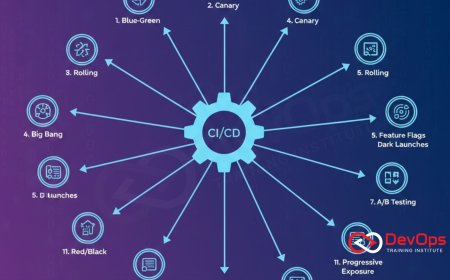
When building these pipelines, you must also understand how to manage risk. This can involve advanced strategies like a canary release, where a new version of the software is shown to a small group of users before being rolled out to everyone. This gradual approach allows you to monitor for errors and roll back automatically if a problem is detected. Learning how to orchestrate these complex deployments is a key skill that separates an automated SysAdmin from a true DevOps professional.
Continuous Monitoring and Observability
In the past, monitoring usually meant checking if a server was "up" or "down." In a distributed, cloud native world, a system can be "up" but still be failing for users. This is why DevOps focuses on observability, which provides deep insights into how an application is performing internally. By correlating logs, metrics, and traces, you can understand exactly why a specific transaction is failing or why a certain page is loading slowly for a subset of users.
Understanding the observability vs monitoring distinction is crucial for improving system reliability. High performing teams use these tools to proactively identify bottlenecks before they cause an outage. This data driven approach allows you to make informed decisions about infrastructure changes and helps you maintain high availability. By mastering these tools, you transform from a reactive firefighter into a proactive engineer who designs systems that are easy to debug and maintain even as they grow in complexity.
Integrating Security and Compliance
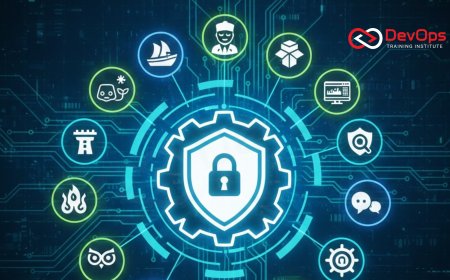
Security should never be an afterthought or something that happens only at the end of a project. In a DevOps model, security is integrated into every step of the process. This practice, known as DevSecOps, involves automating security scans for your code, your container images, and your cloud configurations. By catching vulnerabilities early, you reduce the risk of a breach and ensure that your organization remains compliant with industry standards without slowing down the development team.
As you transition, you will find that devsecops is a collaborative effort. It requires building tools and processes that make it easy for developers to write secure code by default. This might include using automated policy enforcement that prevents insecure resources from being deployed or using tools that scan for hardcoded passwords in your Git repositories. Mastering the automation of security is one of the most valuable skills you can bring to a modern engineering organization, protecting both the company and its customers from modern threats.
- Automated Vulnerability Scanning: Regularly checking application code and dependencies for known security flaws during the build process.
- Policy as Code: Using tools like Open Policy Agent to define and enforce security rules across your entire cloud environment automatically.
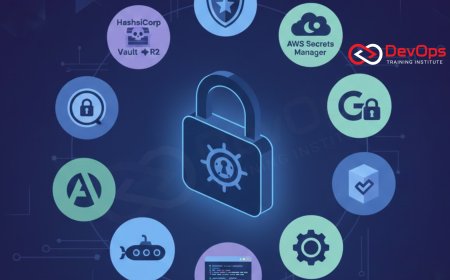
- Secret Management: Moving away from hardcoded passwords toward secure vaults like HashiCorp Vault or AWS Secrets Manager.
- Immutable Infrastructure: Ensuring that servers are never patched in place but are instead replaced with new, secure versions whenever a change is needed.
Conclusion
The journey from Systems Administrator to DevOps Engineer is an exciting and rewarding career path that offers countless opportunities for growth. While the technical skills like Infrastructure as Code, containerization, and CI/CD are vital, the most important part of the transition is adopting a mindset of continuous learning and automation. By moving away from manual, repetitive tasks and focusing on building scalable, resilient, and secure systems, you become a force multiplier for your organization. We have explored how mastering cloud native technologies, version control, and full system observability can transform your daily work and provide incredible value to your team. Remember that DevOps is a journey, not a destination. As you implement these ten skills, you will find yourself better equipped to handle the challenges of modern software delivery, ensuring that your applications are reliable, your infrastructure is efficient, and your users are happy. Stay curious, keep automating, and embrace the collaborative culture that makes DevOps such a powerful discipline in today's technological world.
Frequently Asked Questions
What is the main difference between a SysAdmin and a DevOps engineer?
SysAdmins focus on manual server management while DevOps engineers focus on automating the entire software delivery lifecycle through code.
Is coding required to become a DevOps engineer?
Yes you need to be comfortable with scripting in languages like Bash or Python to automate tasks and manage infrastructure effectively.
What is Infrastructure as Code?
It is the process of managing and provisioning computing resources through machine readable definition files rather than manual configuration and tools.
Why is Git important in DevOps?
Git allows teams to track changes in code and infrastructure files, enabling safe collaboration and the ability to roll back changes quickly.
What are containers in DevOps?
Containers are lightweight packages that contain an application and everything it needs to run consistently across different environments and servers.
What does a CI/CD pipeline do?
It automates the building, testing, and deployment of software, ensuring that new features reach users quickly and with high quality.
What is the role of Kubernetes?
Kubernetes is a platform that automates the deployment, scaling, and management of containerized applications across a cluster of servers.
What is DevSecOps?
DevSecOps is the practice of integrating security checks and automation into every stage of the development and operations process.
Why do I need to learn about cloud providers?
Most modern DevOps is built on cloud infrastructure, so understanding how to use and optimize cloud services is essential for success.
What is observability?
Observability is the ability to understand a system's internal state based on the data it generates, like logs, metrics, and traces.
How does FinOps help a business?
FinOps provides financial visibility and optimization for cloud spending, ensuring that resources are used efficiently and within the set budget.
What is a canary release?
A canary release is a deployment strategy where a new version is released to a small group of users to test for errors.
Can a SysAdmin learn DevOps quickly?
The transition takes time and practice, but a SysAdmin's existing knowledge of systems and networking provides a very strong starting point.
What is shift-left testing?
It is the practice of moving testing earlier in the development process to find and fix bugs when they are easier to handle.
What is the goal of platform engineering?
Platform engineering aims to build internal tools and platforms that help developers deploy and manage their own applications with ease and safety.
What's Your Reaction?
 Like
0
Like
0
 Dislike
0
Dislike
0
 Love
0
Love
0
 Funny
0
Funny
0
 Angry
0
Angry
0
 Sad
0
Sad
0
 Wow
0
Wow
0

![100+ Azure DevOps Interview Questions and Answers [Updated 2025]](https://www.devopstraininginstitute.com/blog/uploads/images/202509/image_140x98_68c40aa9a3834.jpg)





![Future Scope of DevOps Careers in Pune [Updated 2025]](https://www.devopstraininginstitute.com/blog/uploads/images/202510/image_140x98_68e3a84652312.jpg)