

![Kong Interview Preparation Guide [2025]](https://www.devopstraininginstitute.com/blog/uploads/images/202509/image_430x256_68dbb95326997.jpg)

12 Key Components of a DevOps Toolchain
Master the twelve essential components of a modern DevOps toolchain to build a faster, more resilient software delivery engine in 2026. This comprehensive guide breaks down the critical stages of the DevOps lifecycle—from agile planning and version control to container orchestration and AI-driven observability. Learn how to integrate best-in-class tools like Jira, Git, Jenkins, and Kubernetes into a cohesive workflow that eliminates manual silos and reduces technical debt. Whether you are a beginner or a senior architect, understanding these pillars of automation and collaboration is key to achieving continuous synchronization and delivering high-quality software at an enterprise scale today.
Introduction to the Modern DevOps Toolchain
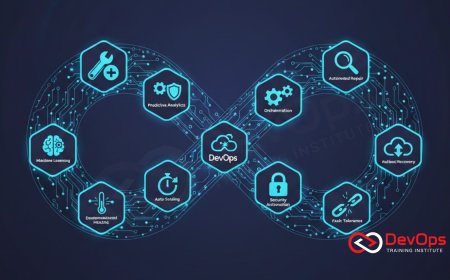
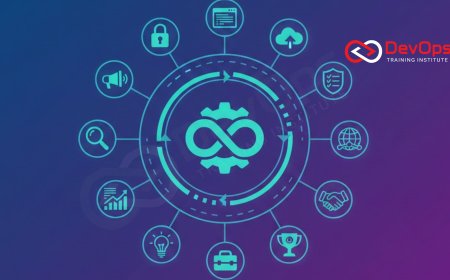
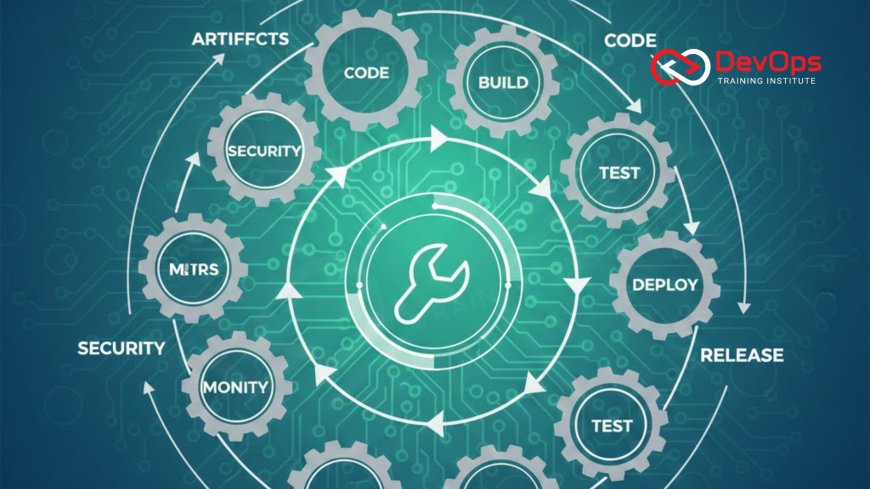
A DevOps toolchain is an integrated set of technologies that enables development and operations teams to collaborate across the entire software lifecycle. In the demanding technical environment of 2026, a fragmented toolset is a major liability. Organizations now strive for a seamless infinity loop of productivity where every stage—from the first line of code to the final production monitor—is connected. This toolchain is the technical backbone that supports cultural change and enables teams to move away from slow, manual processes toward a model of rapid, high-quality releases that drive business value.
Building an effective toolchain requires more than just choosing the most popular software; it requires a strategic understanding of how different components interact. A successful toolchain ensures that feedback is immediate, security is proactive, and infrastructure is as flexible as the code it supports. By mastering the twelve essential components outlined in this guide, you can create a paved road for your engineers, reducing cognitive load and allowing them to focus on innovation. This introduction serves as your roadmap to understanding the foundational pillars that make modern, cloud native DevOps possible in today's global economy.
Component One: Agile Planning and Project Tracking
The first component of any successful toolchain is a centralized platform for planning and tracking work. In an agile DevOps environment, work is divided into small, manageable tasks organized into backlogs and sprints. Tools like Jira or Trello allow stakeholders, developers, and operations teams to align on project goals, track progress in real-time, and manage technical debt effectively. This visibility is crucial for ensuring that the team is always working on the highest-priority features and bug fixes that will deliver the most value to the end user.
Effective planning tools also facilitate continuous feedback by allowing teams to attach customer insights and production metrics directly to their tasks. This ensures that the planning process is data-driven and responsive to real-world performance. By centralizing all requirements and documentation in a single tracking system, you eliminate information silos and ensure that every team member has the context they need to succeed. This component sets the tempo for the entire delivery cycle, providing the structure and transparency needed for high-velocity engineering in a busy and complex digital landscape.
Component Two: Version Control and SCM
Version Control Systems (VCS), also known as Source Code Management (SCM), are the heart of the DevOps workflow. They allow multiple developers to work on the same codebase simultaneously without overwriting each other's changes. Git has become the industry standard, providing a distributed model that supports branching, merging, and detailed history tracking. This ensures that the source code remains a single source of truth and that every change is auditable and reversible. It is the fundamental technical requirement for achieving continuous synchronization between your code and your infrastructure.
Modern SCM platforms like GitHub, GitLab, and Bitbucket extend the core power of Git by adding collaborative features like peer code reviews, pull requests, and integrated issue tracking. These platforms act as a central hub where deployment quality is first established through rigorous peer evaluation and automated linting. By mastering version control, you ensure that your code is always in a deployable state and that your team can collaborate effectively across different time zones and geographies. It is the cornerstone of any modern technical strategy, providing the safety and agility needed for large-scale software development.
Component Three: Continuous Integration (CI) Engines
Continuous Integration is the practice of automatically building and testing your code every time a change is pushed to the repository. The CI engine is the automation server that orchestrates this process, running scripts to compile the code, execute unit tests, and perform static analysis. Tools like Jenkins, GitLab CI, and GitHub Actions are the most common choices for this role. By catching bugs and integration issues early in the cycle, CI prevents integration hell and ensures that the master branch remains stable. This is a vital component of any high-velocity delivery pipeline.
A robust CI process provides developers with near-instant feedback on their work, allowing them to fix errors while the context is still fresh. It also serves as a quality gate, ensuring that no code is allowed to progress to the next stage unless it meets the team's defined standards. By automating these repetitive tasks, you free up your human talent to focus on more complex architectural challenges. The CI engine is the primary driver of efficiency in the toolchain, turning a manual build process into a fast, predictable, and automated workflow that supports continuous innovation for the business.
Summary of DevOps Toolchain Components
| Toolchain Component | Primary Function | Popular Examples | Value Added |
|---|---|---|---|
| Project Management | Planning & Tracking | Jira, Trello, Asana | Strategic Alignment |
| Source Control | Version Management | Git, GitHub, GitLab | Auditability & Safety |
| CI/CD Automation | Build & Deploy | Jenkins, GitHub Actions | Faster Lead Times |
| Infrastructure (IaC) | Cloud Provisioning | Terraform, Pulumi | Environment Consistency |
| Monitoring | Health & Performance | Prometheus, Datadog | Predictable Reliability |
Component Four: Test Automation Frameworks
Automated testing is the bridge between continuous integration and continuous delivery. To release software frequently with confidence, you must be able to verify its functionality through a suite of automated tests. This component includes frameworks for unit testing, integration testing, and end-to-end user acceptance testing. Tools like Selenium, JUnit, and Pytest allow your QA teams to execute thousands of tests in parallel across different browsers and operating systems. This shift-left approach to quality ensures that defects are identified and remediated long before they reach production.
A comprehensive test suite acts as a safety net, allowing developers to refactor code or add new features without the fear of introducing regressions. In 2026, many teams are also incorporating AI-driven testing tools that can automatically generate test cases based on user behavior and identify potential edge cases that a human might miss. By integrating these frameworks into your CI/CD pipeline, you ensure that deployment quality remains consistently high. It turns testing from a manual bottleneck into a fast and reliable part of the automated delivery process, which is essential for maintaining trust with your users.
Component Five: Containerization and Orchestration
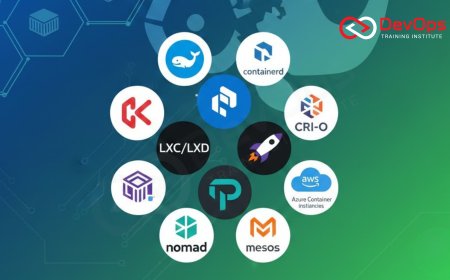
Containerization, led by Docker, allows you to package an application and all its dependencies into a single, immutable unit. This ensures that the application runs identically in every environment—from a developer's local machine to a production cluster. Kubernetes has emerged as the industry standard for orchestrating these containers, managing tasks like automated scaling, load balancing, and self-healing. By utilizing containerd or other efficient runtimes, you can ensure that your containerized workloads are as lightweight and fast as possible.
Orchestration is critical for managing the complexity of modern microservices architectures. It allows you to define cluster states declaratively, ensuring that the live environment always matches your desired configuration. This component provides the scalability and resilience needed to handle unpredictable traffic spikes and localized hardware failures. By automating the deployment and management of containers, you significantly reduce the operational burden on your team and ensure that your applications are always available to your users. It is the technical foundation of cloud native development, providing the flexibility needed for a truly modern and agile business.
Component Six: Infrastructure as Code (IaC)
Infrastructure as Code is the practice of managing your cloud resources—such as servers, networks, and databases—using the same version control and automation principles as your application code. Tools like Terraform, Pulumi, and AWS CloudFormation allow you to define your entire environment in a declarative manifest. This eliminates environment drift and ensures that your infrastructure is predictable, repeatable, and auditable. It is a cornerstone of any successful architecture patterns designed for the cloud.
By treating infrastructure as code, you can use the same release strategies for your cloud setup as you do for your software. This allows for faster provisioning of new environments and easier disaster recovery. IaC also enables better collaboration between development and operations, as both teams can contribute to the infrastructure definition in a shared repository. This component ensures that your underlying platform is always ready to support your application's growth, providing a stable and secure foundation for all your digital operations. It is an essential part of technical excellence, allowing you to manage complex cloud footprints with confidence and precision.
Essential Best Practices for Toolchain Integration
- Version Everything: Keep all your code, infrastructure manifests, and pipeline definitions in Git to ensure a clear audit trail and easy rollbacks.
- Automate Quality Gates: Use CI/CD to enforce linting, testing, and security scans automatically on every pull request to maintain high standards.
- Secure the Supply Chain: Integrate secret scanning tools into your pipeline to ensure no sensitive credentials are ever hardcoded or exposed in your repository.
- Monitor in Real-Time: Establish observability early in the process so you can track the impact of every deployment on system performance and health.
- Enforce Policy at the Gate: Use admission controllers to ensure that only compliant and secure containers are allowed to run in your production clusters.
- Implement GitOps: Use GitOps to automate the synchronization of your application state with your version-controlled configurations for better reliability.
- Verify After Deployment: Incorporate continuous verification strategies to confirm that your live system is meeting performance targets throughout the lifecycle.
Successfully integrating these components requires a focus on both technical interoperability and team collaboration. It is not just about the tools themselves, but how well they communicate via APIs and shared data. By following these best practices, you create a cohesive and resilient ecosystem that supports your engineering team's unique workflows. As you become more proficient, you can explore advanced AI augmented devops capabilities that predict failures and automatically tune your resources. The goal is to build an invisible platform that empowers your developers to deliver great software without the friction of manual operational hurdles.
Conclusion: Your Roadmap to DevOps Success
In conclusion, the twelve key components of a DevOps toolchain provide a comprehensive framework for mastering the modern software delivery lifecycle. From agile planning and version control to container orchestration and automated monitoring, each component plays a vital role in building a resilient and efficient engineering engine. By automating these stages, you eliminate manual silos, reduce human error, and ensure that your organization can respond to market changes with unprecedented speed. The toolchain is not just a collection of software; it is a manifestation of your commitment to technical excellence and collaboration.
As you move forward, remember that who drives cultural change within your organization is just as important as the tools you choose. Transitioning to a DevOps model is an ongoing journey of learning and refinement. By staying informed about AI augmented devops trends and modern release strategies, you can ensure that your toolchain remains a powerful asset for years to come. Ultimately, the goal is to build a platform that fosters innovation and delivers consistent value to your customers. Embrace these twelve pillars today to transform your delivery process into a world-class, automated powerhouse.
Frequently Asked Questions
What is a DevOps toolchain in simple terms?
A DevOps toolchain is a collection of integrated tools that automate and manage the entire software development lifecycle from planning to monitoring.
Why is version control considered the heart of the toolchain?
Version control provides a single source of truth, allowing for collaboration, auditability, and the ability to revert changes safely and quickly.
What is the difference between CI and CD in a pipeline?
CI automates code building and testing, while CD automates the delivery and deployment of that code to staging or production environments.
How does Infrastructure as Code (IaC) improve stability?
IaC ensures that your environment setup is versioned and repeatable, eliminating configuration drift and manual errors during cloud resource provisioning and management.
What role does containerization play in a modern toolchain?
Containerization ensures that an application runs identically in every environment, simplifying deployment and improving resource isolation and portability across clouds.
Do I need all 12 components to start with DevOps?
No, you can start with a few critical ones like version control and CI/CD, and gradually add others as your team's needs and maturity grow.
What is the "shift-left" principle in DevOps testing?
Shift-left means moving testing and security checks earlier in the development lifecycle to catch and fix issues as soon as they are introduced.
How does observability differ from simple monitoring?
Monitoring tells you if something is wrong, while observability provides deep context to help you understand the "why" behind system behavior and failures.
Can I use a single platform for my entire toolchain?
Yes, all-in-one platforms like GitLab or Azure DevOps offer integrated services for almost all stages, though many teams prefer a custom "best-of-breed" mix.
What is GitOps and why is it important for Kubernetes?
GitOps uses Git as the source of truth for your cluster state, automating the synchronization of your live environment with your versioned repository configurations.
What role does project management software play in DevOps?
It provides the structure for planning, prioritizing work, and tracking progress, ensuring that development and operations are aligned on business and project goals.
How do secret scanning tools protect my pipeline?
They automatically scan your code and manifests for exposed credentials like API keys or passwords, preventing security breaches before they reach production servers.
What is the benefit of using Helm in a Kubernetes setup?
Helm acts as a package manager, allowing you to bundle all Kubernetes resources into versioned "charts" for easier, standardized application management and releases.
What are DORA metrics and why should I track them?
DORA metrics (Deployment Frequency, Lead Time, MTTR, Change Failure Rate) are industry standards for measuring the performance and maturity of your DevOps practice.
What is the first step in building my own DevOps toolchain?
The first step is usually implementing a version control system like Git, followed quickly by an automated CI/CD pipeline for building and testing code.
What's Your Reaction?
 Like
0
Like
0
 Dislike
0
Dislike
0
 Love
0
Love
0
 Funny
0
Funny
0
 Angry
0
Angry
0
 Sad
0
Sad
0
 Wow
0
Wow
0

![100+ Azure DevOps Interview Questions and Answers [Updated 2025]](https://www.devopstraininginstitute.com/blog/uploads/images/202509/image_140x98_68c40aa9a3834.jpg)





![Future Scope of DevOps Careers in Pune [Updated 2025]](https://www.devopstraininginstitute.com/blog/uploads/images/202510/image_140x98_68e3a84652312.jpg)