





















![Kong Interview Preparation Guide [2025]](https://www.devopstraininginstitute.com/blog/uploads/images/202509/image_430x256_68dbb95326997.jpg)






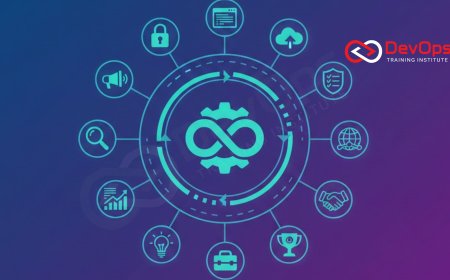




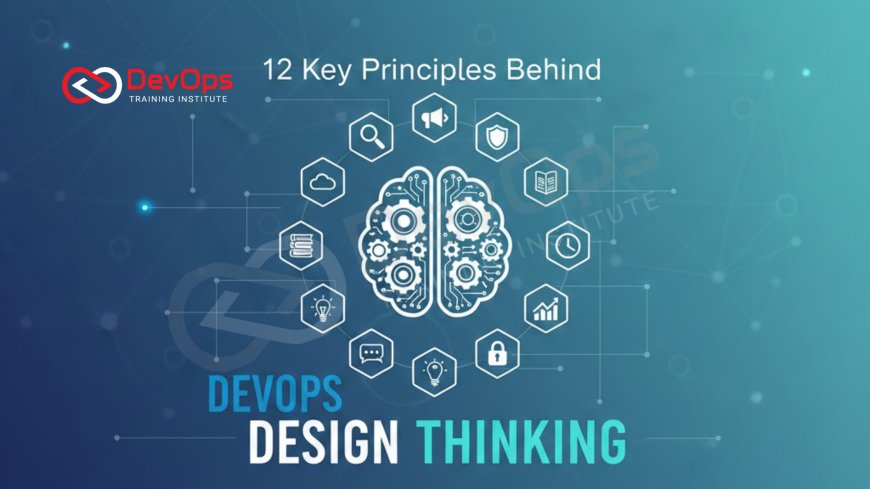
12 Key Principles Behind DevOps Design Thinking
Explore the essential twelve principles that bridge the gap between human-centric design and automated technical operations. This comprehensive guide details how DevOps design thinking prioritizes empathy, collaboration, and iterative feedback to build more resilient software systems. Learn how to integrate user needs with technical workflows to ensure your engineering team delivers high-quality value efficiently while maintaining a focus on continuous learning, cultural transformation, and sustainable operational excellence in modern cloud environments today.
Introduction to DevOps Design Thinking
Design thinking is traditionally seen as a creative methodology used by designers to solve complex problems and find desirable solutions for clients. However, when we apply these concepts to the world of DevOps, we unlock a powerful way to look at technical infrastructure through a human lens. DevOps design thinking is about moving beyond just writing scripts and configuring servers; it is about understanding the people who use the software and the engineers who maintain it every day.
The core of this approach lies in empathy, which allows teams to identify the real pain points in the software delivery process. By combining the rigorous automation of DevOps with the flexible, human-centric nature of design thinking, organizations can create workflows that are not only fast and efficient but also sustainable and enjoyable for the workforce. This introduction serves as a foundation for exploring twelve specific principles that help teams build better products by putting people and processes at the center of every technical decision made in the cluster.
Empathy for the End User and Developer
Empathy is the first step in any design thinking process and it is equally critical in a high-performing engineering environment. For a DevOps team, empathy means understanding the frustrations of a developer who has to wait hours for a build to finish or the stress of an operations specialist dealing with a midnight outage. By stepping into the shoes of these stakeholders, we can design tools and platforms that truly alleviate their burdens rather than adding more complexity to their busy lives.
When empathy is applied to the end-user experience, it ensures that the reliability of the system is not just a metric on a dashboard but a tangible benefit for the customer. A reliable system built with empathy means a user never loses their data during a checkout process and never experiences a slow interface during peak hours. This human-focused perspective helps prioritize technical tasks that have the most significant impact on satisfaction, ensuring that the engineering effort is always aligned with the actual needs of the people using the service.
Collaborative Ideation and Cross-Functional Teams
One of the most important principles of design thinking is the belief that the best ideas come from diverse groups working together toward a common goal. In many traditional organizations, developers, testers, and operations staff work in isolated silos, which often leads to misunderstandings and friction during the release process. DevOps design thinking breaks down these barriers by encouraging constant communication and shared responsibility across the entire software delivery lifecycle.
By bringing different perspectives to the table early in the project, teams can identify potential pitfalls before they become expensive problems. For example, involving security experts from the beginning allows for a better understanding of how does devsecops integrate security into the core architecture. This collaborative environment fosters innovation, as team members feel empowered to suggest improvements and experiment with new technologies without the fear of overstepping their traditional roles, leading to a more unified and agile organization that responds quickly to market changes.
Iterative Feedback and Continuous Improvement
Design thinking thrives on the cycle of prototyping, testing, and refining. In the context of DevOps, this principle is reflected in the continuous integration and continuous delivery pipelines that allow teams to release small changes frequently. Instead of waiting months for a massive release that might fail, teams use iterative feedback to make incremental improvements that are safer and easier to manage. This approach reduces risk and allows for faster learning from real-world usage data.
To truly master this iterative process, teams must have clear visibility into their systems. This is why understanding observability and monitoring is essential for any design-led engineering team. By measuring the impact of every small change, engineers can quickly determine if an update achieved the desired outcome or if it needs to be rolled back and adjusted. This constant loop of action and observation ensures that the system is always evolving toward a state of higher quality and better alignment with user expectations.
Table: Comparing Traditional DevOps vs. Design Thinking DevOps
| Feature | Traditional DevOps Approach | Design Thinking DevOps Approach |
|---|---|---|
| Primary Focus | Automation and Speed | Human Needs and Experience |
| Problem Solving | Fixing Technical Bugs | Solving User Pain Points |
| Team Interaction | Standardized Handoffs | Deep Cross-Functional Collaboration |
| Feedback Loops | System Performance Logs | User Feedback and Empathy Sessions |
| Infrastructure | Static Scripting | Flexible platform engineering solutions |
Failing Fast and Learning from Experiments
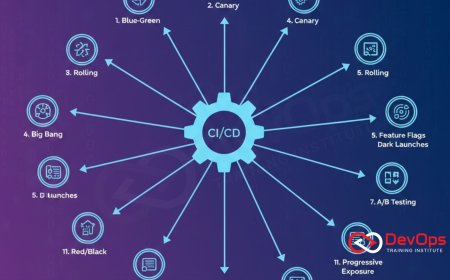
A core tenet of design thinking is the idea that failure is a valuable learning opportunity. In a DevOps environment, we encourage experimentation by creating safe spaces where failures have a limited impact. This is often achieved through advanced deployment strategies that allow us to test new ideas with a small subset of users before committing to a full rollout. By embracing failure early in the process, we avoid the catastrophic outages that occur when untested changes are forced into production all at once.
To implement this principle effectively, many teams utilize canary releases to gather data on how a new feature performs in the wild. If the experiment shows signs of trouble, the team can immediately pivot and fix the issue without affecting the majority of the user base. This culture of experimentation encourages engineers to be creative and bold, knowing that the system is designed to handle mistakes gracefully and that every failure provides the data needed to build a more resilient and successful product in the next iteration.
Systems Thinking and Holistic Overviews
Design thinking requires us to look at the entire system rather than focusing on individual components in isolation. In DevOps, this means understanding how a change in a small microservice might ripple through the entire infrastructure and affect the database or the network. By taking a holistic view, teams can design more stable environments where the relationships between different parts are well-understood and managed, preventing the unexpected side effects that often lead to complex outages.
This holistic perspective is also essential for managing costs and resources effectively across the organization. By applying how does finops help optimize spending, teams can ensure that their technical designs are not only performant but also economically sustainable. Understanding the big picture allows leaders to make better decisions about where to invest engineering effort, ensuring that the infrastructure supports the business goals while maintaining a high level of operational efficiency and minimizing waste in the cloud environment.
Radical Transparency and Open Communication
Transparency is the glue that holds a design-thinking team together. When everyone has access to the same information, decisions can be made faster and with more confidence. In a DevOps context, transparency means sharing metrics, logs, and post-mortem reports openly across the entire company. This open communication style builds trust and ensures that everyone understands the current state of the system and the reasons behind specific technical choices or architectural changes.
Effective communication also involves documenting processes so that they are easily understood by newcomers and veterans alike. Many modern teams use what is gitops to manage their infrastructure through version-controlled code, which naturally provides a transparent audit trail of every change ever made. This level of openness reduces confusion and allows for better collaboration, as team members can easily see what others are working on and contribute their own ideas to improve the collective workflow and system stability.
Designing for Resilience and Self-Healing
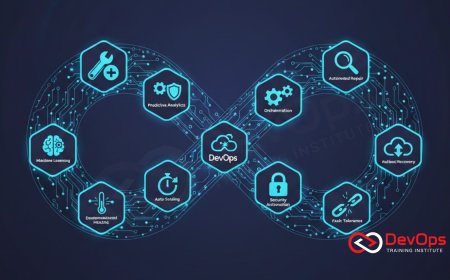
In the world of DevOps, we assume that things will eventually break, so we design our systems to be resilient and capable of self-healing. This principle involves building automation that can detect failures and take corrective action without human intervention. By applying design thinking to resilience, we create systems that are not just "strong" but "elastic," meaning they can bend under pressure and return to their original state once the stress is removed, ensuring uninterrupted service for the users.
A proactive way to test this resilience is through the practice of how can chaos engineering improve the robustness of your pipelines. By intentionally injecting faults, teams can verify that their self-healing mechanisms work as expected and identify hidden weaknesses before they cause real-world problems. This design-led approach to reliability moves the team away from a reactive mindset of fixing bugs toward a proactive mindset of building systems that are inherently stable and capable of thriving in a chaotic and unpredictable digital environment.
The Twelve Principles of DevOps Design Thinking
- User-Centric Empathy: Always prioritize the human experience of both developers and end-users in every technical decision.
- Cross-Silo Collaboration: Build teams that include diverse roles to ensure all perspectives are considered during the design phase.
- Iterative Prototyping: Use small, frequent updates to test ideas and gather feedback quickly instead of large, risky releases.
- Data-Driven Decisions: Rely on objective metrics and observability data to guide improvements and validate technical assumptions.
- Psychological Safety: Foster an environment where team members feel safe to experiment, fail, and share their learning without blame.
- Holistic Systems View: Understand the interconnectedness of all system components to prevent unintended consequences of changes.
- Automation with Purpose: Automate repetitive tasks to reduce human toil and free up time for high-value creative problem-solving.
- Radical Transparency: Share information and metrics openly to build trust and ensure everyone is aligned on the project goals.
- Continuous Feedback Loops: Establish mechanisms to gather feedback from users and systems at every stage of the delivery process.
- Design for Failure: Build systems that are resilient and can recover automatically from unexpected issues without manual help.
- Sustainable Pace: Ensure that the engineering processes are sustainable for the people involved to prevent burnout and maintain quality.
- Continuous Learning: Treat every project and incident as an opportunity to gain new knowledge and improve the team's capabilities.
Integrating Quality into the Design Process
Quality should never be an afterthought or a separate phase that happens at the end of the development cycle. In DevOps design thinking, we build quality into the process from the very beginning. This involves automating tests and incorporating security checks at every stage, ensuring that the software is always in a deployable state. By focusing on quality early on, we reduce the time spent on rework and bug fixing, allowing the team to maintain a high velocity while delivering a superior product to the customer.
This approach is a key part of why is shift left testing so important for modern delivery. By moving testing closer to the development phase, we identify and resolve issues much faster, which significantly lowers the cost of quality. This design principle ensures that the final product is not only functional but also secure and performant, meeting the high standards required in today's competitive market and providing a solid foundation for long-term growth and technical excellence across the entire engineering department.
Agility and Flexibility in Architecture
Modern software systems must be able to change quickly to keep up with user demands and new technologies. DevOps design thinking promotes an architecture that is modular and flexible, allowing components to be updated or replaced without impacting the rest of the system. This agility is achieved through the use of microservices, containers, and well-defined APIs, which provide the building blocks for a highly adaptable and scalable infrastructure that can grow alongside the business and its evolving needs.
One powerful tool for maintaining this flexibility is the use of how do feature flags enable teams to release code safely. By decoupling the deployment of code from the activation of features, engineers can test new functionality in production with zero risk. This design-led strategy allows for more frequent releases and greater control over the user experience, ensuring that the team can respond to feedback instantly and adjust their roadmap based on real-world evidence rather than just theoretical plans or outdated requirements documentation.
Conclusion
In conclusion, the twelve principles of DevOps design thinking provide a comprehensive framework for building technical systems that are deeply rooted in human needs. By prioritizing empathy, collaboration, and iterative feedback, organizations can transform their software delivery process into a highly efficient and creative endeavor. These principles move us away from the rigid and siloed practices of the past toward a more agile and transparent future where engineering and design are perfectly aligned. As the digital landscape continues to evolve, the ability to apply design thinking to DevOps will be a critical differentiator for teams striving to achieve operational excellence and deliver exceptional value to their users. Embracing this holistic and human-centric approach ensures that your infrastructure is not just a collection of tools, but a resilient and adaptable platform that empowers your people to innovate and succeed in an increasingly complex world. Start integrating these principles today to build a better future for your engineers and your customers alike.
Frequently Asked Questions
What is the main goal of DevOps design thinking?
The main goal is to solve technical problems by focusing on the human needs of developers and users through empathy and collaboration.
How does empathy help a DevOps team?
Empathy allows teams to identify real pain points in the workflow, leading to better tool selection and more user-friendly software delivery processes.
Why is cross-functional collaboration important?
It brings different perspectives together early, helping to identify potential security or operational issues before they become expensive and difficult to fix.
What does it mean to fail fast?
Failing fast means identifying mistakes through early experimentation and testing, allowing the team to learn and pivot before significant resources are wasted.
How can observability improve design thinking?
Observability provides the data needed to understand how users and systems react to changes, enabling evidence-based improvements rather than relying on guesswork.
What role does automation play in this framework?
Automation reduces manual toil, giving engineers more time to focus on creative problem-solving and high-value tasks that improve the overall system design.
How do I implement transparency in my team?
Start by sharing system metrics, post-mortem reports, and project goals openly so that every team member has the context needed to succeed.
Why is shift-left testing considered a design principle?
It integrates quality into the earliest stages of development, ensuring that the software is built correctly from the start rather than fixing it later.
How can feature flags support design thinking?
They allow teams to test new features with real users in production safely, providing immediate feedback that informs the next stage of design.
What is a holistic systems view?
It is the practice of looking at how all parts of the infrastructure interact to prevent localized changes from causing unexpected widespread system failures.
How does design thinking impact cloud spending?
By focusing on efficiency and value, it encourages teams to design infrastructure that is cost-effective and perfectly aligned with the actual business needs.
Is design thinking only for software designers?
No, it is a problem-solving methodology that can be applied by anyone, including engineers and operations specialists, to improve technical and human systems.
How do iterative loops reduce project risk?
By making small, frequent updates, teams can catch errors early and adjust their course based on real-world feedback, avoiding major catastrophic project failures.
What is psychological safety in DevOps?
It is a culture where engineers feel safe to speak up about problems and mistakes without fear of being punished or blamed for them.
How do I start applying these principles?
Begin by listening to your team's frustrations and using those insights to design small improvements in your automation and collaboration processes today.
What's Your Reaction?
 Like
0
Like
0
 Dislike
0
Dislike
0
 Love
0
Love
0
 Funny
0
Funny
0
 Angry
0
Angry
0
 Sad
0
Sad
0
 Wow
0
Wow
0




![100+ Azure DevOps Interview Questions and Answers [Updated 2025]](https://www.devopstraininginstitute.com/blog/uploads/images/202509/image_140x98_68c40aa9a3834.jpg)






![Future Scope of DevOps Careers in Pune [Updated 2025]](https://www.devopstraininginstitute.com/blog/uploads/images/202510/image_140x98_68e3a84652312.jpg)