




![Kong Interview Preparation Guide [2025]](https://www.devopstraininginstitute.com/blog/uploads/images/202509/image_430x256_68dbb95326997.jpg)




14 CI/CD Solutions for Kubernetes Workloads
Discover the top 14 CI/CD solutions specifically designed to streamline and automate the deployment of Kubernetes workloads. This comprehensive guide explores various tools that integrate seamlessly with Kubernetes, offering features for continuous integration, continuous delivery, and advanced deployment strategies. Learn how these solutions empower development teams to achieve faster release cycles, enhance reliability, and manage complex microservices architectures efficiently. Whether you're looking for open-source flexibility or robust enterprise-grade platforms, find the perfect CI/CD tool to elevate your Kubernetes operations and accelerate your DevOps journey.
Introduction to CI/CD for Kubernetes
In the modern landscape of software development, Kubernetes has emerged as the de facto standard for orchestrating containerized applications. Its ability to manage, scale, and deploy workloads across various environments has revolutionized how organizations build and run their services. However, simply having a powerful orchestrator like Kubernetes is not enough to achieve rapid and reliable software delivery. This is where Continuous Integration (CI) and Continuous Delivery (CD) come into play, forming the essential bridge between code development and production deployment.
CI/CD pipelines for Kubernetes workloads are critical for automating the entire software release process. They ensure that code changes are frequently integrated, thoroughly tested, and deployed efficiently to Kubernetes clusters. This automation reduces manual effort, minimizes errors, and accelerates the feedback loop, allowing teams to deliver value to users faster and more consistently. Selecting the right CI/CD solution that integrates seamlessly with Kubernetes can significantly impact a team's productivity, application reliability, and overall DevOps success. This blog post will explore a comprehensive list of CI/CD solutions tailored for Kubernetes environments, helping you navigate the options available.
Understanding CI/CD in a Kubernetes Context
Continuous Integration (CI) in a Kubernetes environment typically involves automatically building container images from source code whenever changes are committed to a version control system. This process also includes running automated tests, such as unit, integration, and even some end-to-end tests, to ensure the new code integrates correctly with the existing codebase and doesn't introduce regressions. The output of a successful CI pipeline is usually a set of tested, containerized application images, ready to be deployed to a Kubernetes cluster.
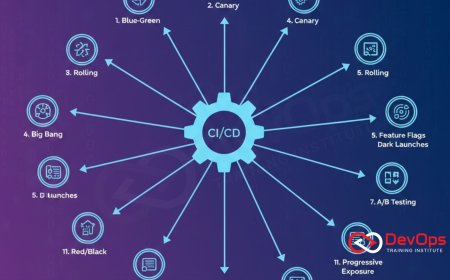
Continuous Delivery (CD) takes over where CI leaves off. It involves automating the deployment of these container images to various Kubernetes environments, such as development, staging, and ultimately, production. This can include updating Kubernetes deployment manifests, applying configuration changes, and managing rollouts. For Kubernetes, CD often involves advanced deployment strategies like blue-green deployments, canary releases, and rolling updates, all of which aim to reduce the risk associated with introducing new software versions. The goal is to make deployments so routine and reliable that they can happen multiple times a day with minimal human intervention, making processes like canary releases a standard practice.
Traditional CI/CD Tools with Kubernetes Integration
Many established CI/CD tools have evolved to offer robust integration with Kubernetes. These tools often provide a broad range of features that extend beyond just Kubernetes deployments, making them versatile choices for organizations with diverse technology stacks. Their maturity and extensive plugin ecosystems mean they can handle complex workflows and integrate with almost any development tool, from source code repositories to monitoring platforms. They are well-suited for teams looking for a battle-tested solution that offers flexibility and control over their entire software delivery lifecycle.
Jenkins, for example, remains a powerhouse in the CI/CD world. Its vast community and plugin marketplace provide unparalleled customization for Kubernetes deployments, allowing teams to define pipelines that build images, push to registries, and apply Kubernetes manifests. GitLab CI/CD offers a tightly integrated experience within the GitLab platform, encompassing source code management, CI, and CD, making it a popular choice for teams that want a single platform for their DevOps needs. CircleCI provides fast and reliable builds and deployments, with strong support for containerized workflows and Kubernetes, including features for parallelizing tests and caching Docker layers. These tools offer powerful automation capabilities to manage platform engineering aspects within Kubernetes environments.
Kubernetes-Native CI/CD Solutions
As Kubernetes has grown in popularity, a new generation of CI/CD solutions has emerged, built from the ground up to operate natively within Kubernetes. These tools often leverage Kubernetes primitives like Custom Resources (CRs) and Controllers to manage pipeline execution and deployments directly on the cluster. This approach can simplify infrastructure management for the CI/CD system itself, as it runs as just another set of workloads within Kubernetes. Kubernetes-native solutions are often favored by teams that want to fully embrace the cloud-native paradigm and prefer a highly integrated, Kubernetes-centric approach to their software delivery.
Tekton is an open-source, Kubernetes-native framework for creating CI/CD systems. It allows developers to define powerful and flexible CI/CD pipelines as Kubernetes resources, making them portable and scalable. Argo CD is another excellent example, focusing specifically on declarative GitOps continuous delivery for Kubernetes. It synchronizes the desired application state, defined in Git, with the actual state of applications running in a Kubernetes cluster. Flux CD, similar to Argo CD, is also a GitOps operator that ensures the state of a cluster matches the configuration in Git. These tools represent a shift towards managing deployments directly from Git, which is a core tenet of GitOps, enhancing infrastructure automation.
Table: A Comprehensive Overview of CI/CD Solutions for Kubernetes Workloads
| Solution Category | Tool Name | Key Features for Kubernetes | Primary Benefit |
|---|---|---|---|
| Traditional & Hybrid | Jenkins | Extensive plugin ecosystem for Kubernetes, pipeline as code, distributed builds. | Highly flexible and customizable for diverse environments. |
| Traditional & Hybrid | GitLab CI/CD | Integrated SCM, CI/CD, container registry, Kubernetes agent for GitOps. | All-in-one DevOps platform for end-to-end workflow. |
| Traditional & Hybrid | CircleCI | Fast builds, orb ecosystem for Kubernetes, robust caching, parallelization. | Speed and efficiency for cloud-native applications. |
| Kubernetes-Native / GitOps | Argo CD | Declarative GitOps, automatic synchronization, visualization of deployments. | Ensures desired state of applications in Kubernetes. |
| Kubernetes-Native / GitOps | Flux CD | GitOps operator, continuous synchronization, multi-tenancy, progressive delivery. | Reliable and secure automated deployments with Git as source of truth. |
| Kubernetes-Native / Framework | Tekton | Kubernetes-native pipelines, Custom Resources, reusable components. | Highly portable and scalable CI/CD built on Kubernetes. |
| Enterprise / Commercial | Spinnaker | Multi-cloud CD, complex deployment strategies (canary, blue/green), automated rollbacks. | Enterprise-grade CD for complex, multi-cloud deployments. |
| Enterprise / Commercial | Harness | AI/ML-driven CD, automated canary deployments, rollback automation. | Intelligent and automated continuous delivery. |
| Cloud Provider Specific | Azure DevOps Pipelines | Tight integration with Azure Kubernetes Service (AKS), YAML pipelines. | Seamless CI/CD experience for Azure users. |
| Cloud Provider Specific | Google Cloud Build | Serverless CI/CD, integrates with GKE, artifact management. | Fully managed CI/CD for Google Cloud users. |
| Cloud Provider Specific | GitHub Actions | Integrated with GitHub repositories, community workflows for Kubernetes. | Simplified CI/CD for projects hosted on GitHub. |
| Specialized & Emerging | Codefresh | GitOps automation, Kubernetes-native, built-in dashboard for deployments. | Complete GitOps solution with enhanced visibility. |
| Specialized & Emerging | Jenkins X | Automated CI/CD for Kubernetes, GitOps, preview environments. | Automates DevOps best practices on Kubernetes. |
| Specialized & Emerging | Rancher Pipelines (based on Tekton) | Integrated CI/CD within Rancher for Kubernetes clusters, leverages Tekton. | Streamlined CI/CD for Rancher managed Kubernetes environments. |
Enterprise-Grade CI/CD Platforms
For large organizations managing complex, mission-critical applications across multiple cloud environments, enterprise-grade CI/CD platforms offer advanced features and robust capabilities tailored for scalability and governance. These solutions often provide sophisticated deployment strategies, built-in security features, and extensive analytics to ensure smooth and secure releases. They are designed to handle the intricacies of enterprise environments, including compliance requirements, multi-team collaboration, and hybrid cloud deployments, making them ideal for regulated industries and large-scale operations.
Spinnaker, originally developed at Netflix, is a powerful open-source continuous delivery platform that excels at multi-cloud deployments and complex release strategies like blue-green, canary, and rolling deployments. It provides excellent visibility into the deployment process and offers automated rollbacks, crucial for maintaining high availability. Harness, a commercial platform, takes continuous delivery to the next level with its AI/ML-driven approach, automating advanced deployment strategies and providing intelligent insights into release health. It focuses on reducing deployment risk and accelerating delivery velocity. These platforms offer comprehensive solutions for managing the entire software delivery lifecycle in large, demanding environments, often integrating security practices from the start.
Cloud Provider Specific CI/CD Solutions
Many major cloud providers offer their own CI/CD services that are deeply integrated with their respective Kubernetes offerings. These solutions provide a seamless experience for teams already heavily invested in a particular cloud ecosystem, leveraging native services for compute, storage, and networking. The tight integration often translates to easier setup, optimized performance, and simplified management, as resources are provisioned and managed directly within the cloud provider's console or API. This can significantly reduce the operational overhead associated with setting up and maintaining a CI/CD pipeline.
Azure DevOps Pipelines offers robust CI/CD capabilities with native integration to Azure Kubernetes Service (AKS), allowing teams to define pipelines using YAML and deploy directly to their AKS clusters. Google Cloud Build is a serverless CI/CD platform that seamlessly integrates with Google Kubernetes Engine (GKE), providing fast and secure builds and deployments without the need to manage underlying infrastructure. GitHub Actions, while not strictly cloud-specific, provides excellent integration for projects hosted on GitHub, offering a vast marketplace of actions for building, testing, and deploying to Kubernetes clusters on any cloud. These cloud-native solutions offer a streamlined path to continuous delivery for Kubernetes workloads, enhancing both speed and reliability. Leveraging these solutions for deployments also ties into concepts like FinOps by optimizing resource usage.
Specialized and Emerging CI/CD Tools
The landscape of CI/CD for Kubernetes is constantly evolving, with new specialized tools and innovative approaches emerging regularly. These tools often focus on specific aspects of the CI/CD process or introduce novel methodologies to tackle common challenges. They might offer unique features for visualizing deployments, enhancing GitOps workflows, or providing a more opinionated approach to setting up pipelines, aiming to simplify complex Kubernetes deployments and accelerate development cycles for teams embracing cloud-native practices.
Codefresh is an example of a specialized platform that offers comprehensive GitOps automation specifically for Kubernetes, providing a unified dashboard for builds, deployments, and environments. Jenkins X extends Jenkins to provide automated CI/CD for Kubernetes, incorporating GitOps, preview environments, and best practices out-of-the-box. Rancher Pipelines, built on Tekton, offers integrated CI/CD capabilities directly within the Rancher platform for managing Kubernetes clusters, simplifying the deployment process for Rancher users. These tools represent the cutting edge of CI/CD for Kubernetes, continually pushing the boundaries of what's possible in automated software delivery, with an emphasis on improving observability.
Choosing the Right CI/CD Solution for Your Kubernetes Workloads
Selecting the ideal CI/CD solution for your Kubernetes workloads is a decision that requires careful consideration of several factors. There is no one-size-fits-all answer, as the best choice depends heavily on your team's specific needs, existing infrastructure, organizational size, and strategic objectives. A thorough evaluation of each tool's capabilities, learning curve, community support, and cost implications will guide you towards a solution that aligns with your development and operational goals.
- Team Expertise and Learning Curve: Consider your team's familiarity with CI/CD concepts and Kubernetes. Some tools offer a gentler learning curve, while others require deeper technical expertise. Opting for a tool that your team can quickly adopt and maintain will yield faster results and reduce frustration.
- Existing Ecosystem and Integrations: Evaluate how well the CI/CD solution integrates with your current development tools, such as source code management (e.g., GitHub, GitLab), artifact repositories, monitoring systems, and cloud providers. Seamless integration minimizes friction and maximizes efficiency.
- Scalability and Performance: Assess the tool's ability to scale with your growing number of applications and microservices. For large-scale deployments, performance, parallel execution capabilities, and resource efficiency within Kubernetes are critical.
- Deployment Strategies and Flexibility: Determine if the tool supports your desired deployment strategies, such as rolling updates, blue-green deployments deployment, or canary releases. Flexibility in defining complex pipelines and custom workflows is also important for adapting to evolving needs.
- Cost and Licensing: Factor in the total cost of ownership, including licensing fees for commercial products, infrastructure costs for self-hosted solutions, and operational overhead. Open-source solutions might be free to use but require internal resources for maintenance.
- Community Support and Documentation: A strong community and comprehensive documentation are invaluable for troubleshooting, finding solutions, and keeping up with best practices. Active communities often provide plugins and extensions that enhance a tool's capabilities.
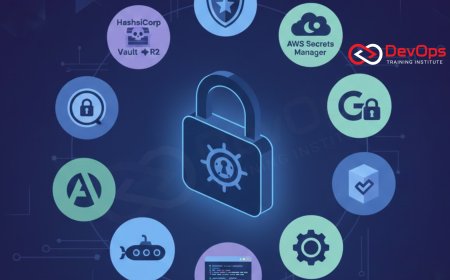
- Security and Compliance: For enterprises, security features like access control, secrets management, and compliance certifications are paramount. The chosen solution should integrate with your existing security policies and tools to ensure a secure software supply chain. This aligns with shift-left testing principles.
By carefully weighing these factors, you can select a CI/CD solution that not only meets your current needs but also supports your long-term growth and innovation within the Kubernetes ecosystem. The right choice will empower your team to deliver high-quality software with speed and confidence, turning complex deployments into a seamless, automated process, and even enabling practices like chaos engineering with greater control.
Conclusion
The journey of continuous integration and continuous delivery for Kubernetes workloads is a cornerstone of modern DevOps practices. The diverse array of CI/CD solutions available, from traditional powerhouses to cutting-edge Kubernetes-native platforms, provides teams with an unprecedented ability to automate, streamline, and accelerate their software delivery pipelines. Each tool brings its unique strengths, catering to different organizational sizes, technical requirements, and strategic preferences. By leveraging these solutions, development teams can effectively manage the complexities of microservices architectures, achieve faster release cycles, and significantly enhance the reliability and stability of their applications running on Kubernetes. The right CI/CD solution empowers teams to build, test, and deploy with confidence, driving innovation and maintaining a competitive edge in today's dynamic technological landscape. Making an informed choice among these solutions is crucial for sustained success and efficient operations in a Kubernetes-driven world.
Frequently Asked Questions
What is CI/CD for Kubernetes?
CI/CD for Kubernetes automates building, testing, and deploying containerized applications to Kubernetes clusters, ensuring faster and more reliable releases.
Why is CI/CD important for Kubernetes workloads?
It enables rapid, consistent deployments, reduces manual errors, and provides continuous feedback, essential for managing complex microservices effectively.
What are the benefits of using a Kubernetes-native CI/CD tool?
Kubernetes-native tools leverage cluster primitives, simplifying infrastructure management and providing deep integration with Kubernetes workflows.
How does GitOps relate to CI/CD for Kubernetes?
GitOps uses Git as the single source of truth for declarative infrastructure and application states, automating synchronization for continuous delivery.
Can Jenkins be used for Kubernetes CI/CD?
Yes, Jenkins, with its extensive plugin ecosystem, can be highly customized to build, test, and deploy applications to Kubernetes clusters.
What is the role of Spinnaker in Kubernetes deployments?
Spinnaker is a multi-cloud CD platform offering advanced deployment strategies like canary and blue-green for safe, automated rollouts to Kubernetes.
How do cloud-specific CI/CD solutions benefit Kubernetes users?
They offer deep integration with native cloud services and Kubernetes offerings, simplifying setup, optimization, and management within the cloud ecosystem.
What are some key considerations when choosing a CI/CD tool?
Factors include team expertise, existing ecosystem integration, scalability, supported deployment strategies, cost, and community support.
Do CI/CD tools improve application reliability on Kubernetes?
Yes, by automating testing and deployment processes, they help catch errors early and ensure consistent, reliable application states.
What are advanced deployment strategies in Kubernetes CI/CD?
These include rolling updates, blue-green deployments, and canary releases, designed to minimize risk during application updates.
Is it necessary to use a specialized CI/CD tool for Kubernetes?
While not strictly necessary, specialized tools often offer deeper integration and features tailored specifically for Kubernetes environments, simplifying operations.
How does CI/CD help with microservices architecture on Kubernetes?
CI/CD streamlines the independent development and deployment of microservices, managing their lifecycle efficiently within a Kubernetes cluster.
What is the learning curve for Kubernetes CI/CD tools?
It varies widely; some tools like GitHub Actions are beginner-friendly, while others like Spinnaker may require more extensive learning and configuration.
How can I ensure security in my Kubernetes CI/CD pipeline?
Implement best practices like image scanning, secrets management, least privilege access, and integrating security checks throughout the pipeline (DevSecOps).
What is Tekton, and how does it work with Kubernetes?
Tekton is a Kubernetes-native framework that defines CI/CD pipelines as Kubernetes resources, allowing pipelines to run directly on the cluster.
What's Your Reaction?
 Like
0
Like
0
 Dislike
0
Dislike
0
 Love
0
Love
0
 Funny
0
Funny
0
 Angry
0
Angry
0
 Sad
0
Sad
0
 Wow
0
Wow
0

![100+ Azure DevOps Interview Questions and Answers [Updated 2025]](https://www.devopstraininginstitute.com/blog/uploads/images/202509/image_140x98_68c40aa9a3834.jpg)






![Future Scope of DevOps Careers in Pune [Updated 2025]](https://www.devopstraininginstitute.com/blog/uploads/images/202510/image_140x98_68e3a84652312.jpg)