






![Kong Interview Preparation Guide [2025]](https://www.devopstraininginstitute.com/blog/uploads/images/202509/image_430x256_68dbb95326997.jpg)



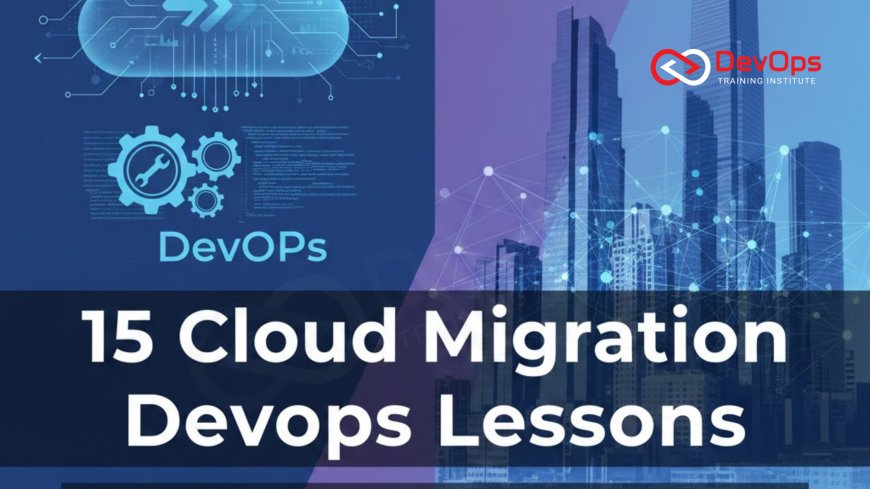
15 Cloud Migration DevOps Lessons from Enterprises
Unlock the fifteen most valuable cloud migration DevOps lessons learned by major enterprises as they navigate the complexities of digital transformation. This extensive guide provides deep insights into strategic planning, automated refactoring, and cultural alignment necessary for a successful move to the cloud. Learn how to avoid common pitfalls like high latency and unexpected costs while ensuring your new infrastructure is resilient, secure, and ready for twenty twenty six. Discover the roadmap to achieving massive scalability and operational efficiency through proven architectural patterns and modern automation techniques used by the world's leading engineering teams today.
Introduction to Enterprise Cloud Migration
Cloud migration is a monumental journey that involves much more than just moving data from one server to another. For large enterprises, this process is a catalyst for a total technical and organizational overhaul that requires a deep commitment to DevOps principles. Moving legacy applications to the cloud presents unique challenges, from handling decades of technical debt to training staff on entirely new paradigms of computing. Many organizations have discovered that a successful migration is rarely a straight line; it is an iterative process of learning, failing, and optimizing to find the right balance between speed and stability.
As we look toward twenty twenty six, the lessons learned from early adopters have become a vital roadmap for those just starting their journey. These lessons emphasize the importance of automation, security, and cultural alignment as the primary drivers of success. Enterprises that treat the cloud as just another data center often find themselves struggling with high costs and poor performance. In contrast, those that embrace the cloud native mindset can unlock unprecedented levels of agility and innovation. This guide explores the fifteen most critical lessons that have shaped the modern cloud migration strategies of the world's most successful companies.
The Fallacy of the Simple Lift and Shift
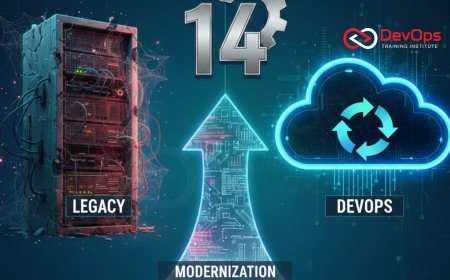
One of the most common lessons enterprises learn early on is that a simple "lift and shift" approach rarely delivers the promised benefits of the cloud. While moving an application exactly as it is might be the fastest way to exit a data center, it often leads to inefficient resource utilization and higher operational costs. Legacy applications designed for fixed hardware do not naturally take advantage of cloud features like auto scaling or high availability. Without refactoring, these apps remain brittle and expensive to maintain in a dynamic cloud environment that expects elasticity and statelessness.
Successful migrations involve a more nuanced strategy where applications are evaluated based on their business value and technical complexity. Some services may be retired, while others are completely rebuilt as microservices. This transition requires a strong focus on continuous synchronization to ensure that data remains consistent between the old and new systems during the move. By investing the time to modernize applications before or during the migration, companies can ensure that their cloud architecture patterns are optimized for performance and cost efficiency from the very beginning.
Automation as a Non-Negotiable Requirement
In a large scale migration, manual configuration is a recipe for disaster. Enterprises have learned that automation through Infrastructure as Code is a non negotiable requirement for managing the complexity of the cloud. Manual steps lead to configuration drift, security vulnerabilities, and human errors that can delay a project by months. By defining all infrastructure in code, teams can replicate environments instantly across different regions and ensure that every server meets the organization's strict compliance and security standards. It is the only way to manage thousands of resources effectively.
Automation also extends to the migration process itself. Tools that automate the discovery of dependencies and the actual movement of data can significantly reduce the risk of downtime. These automated workflows allow for repeated testing and validation, ensuring that the migration is predictable and reversible if something goes wrong. Using GitOps to manage these migration scripts provides a clear audit trail and allows multiple teams to collaborate on the move without stepping on each other's toes. This level of technical discipline is what separates successful enterprise migrations from those that stall or fail.
Culture is the Ultimate Scaling Factor
Perhaps the most difficult lesson for enterprises is that cloud migration is primarily a cultural challenge, not just a technical one. The shift to DevOps requires breaking down long standing silos between developers, operations, and security teams. Without a shared sense of ownership and a culture of blameless learning, the move to the cloud will likely encounter resistance and friction. Organizations must invest in training and cultural change to ensure that every employee feels empowered to use the new tools and follow the new processes. It is about moving from a "gatekeeper" mindset to an "enabler" mindset.
Building this culture involves creating cross functional teams that take end to end responsibility for their services. This change is often supported by cultural change leaders who champion the benefits of the cloud and help others navigate the transition. Communication and transparency are vital, and many companies find that using ChatOps techniques can help keep everyone aligned during the most critical phases of the migration. When everyone is working toward the same goals with the same set of data, the entire organization can move much faster and with greater confidence into their new digital home.
Migration Strategy Comparison Matrix
| Migration Strategy | Technical Effort | Cloud Benefit | Primary Risk |
|---|---|---|---|
| Rehosting (Lift & Shift) | Low | Minimal | High long term cost |
| Replatforming | Medium | Moderate | Scope creep |
| Refactoring (Cloud Native) | High | Maximum | High initial complexity |
| Repurchasing (SaaS) | Low | High | Vendor lock in |
| Retiring | None | Cost Savings | Lost legacy data |
Data Gravity and Connectivity Hurdles
Data migration is often the most time consuming and risky part of the entire process due to the concept of data gravity. The more data you have in one location, the harder it is to move it to another without disrupting the applications that depend on it. Enterprises have learned that they must prioritize their data migration strategy early, considering factors like bandwidth limits, data latency, and regulatory compliance. Moving massive datasets over the internet is often impractical, requiring specialized hardware or dedicated high speed network connections provided by the cloud vendor to ensure a smooth transition.
Maintaining connectivity between the old and new environments during a staggered migration is also a significant hurdle. Many companies operate in a hybrid cloud state for years, requiring robust networking solutions like VPNs or dedicated interconnects. This period of transition requires careful management of DNS and routing to ensure that traffic is directed to the correct location. By treating the network as a dynamic component of the migration, DevOps teams can avoid common pitfalls that lead to application timeouts or data corruption. It is essential to ensure that your release strategies account for this temporary hybrid state to prevent user facing errors during the move.
Continuous Verification and Observability
You cannot manage what you cannot see, and this is especially true during a cloud migration. Enterprises emphasize the need for deep observability to monitor the performance of applications as they move between environments. This involves more than just basic uptime monitoring; it requires distributed tracing and detailed logging to understand how the new cloud infrastructure is impacting application behavior. If a service becomes slow after moving, the team needs to know immediately if the issue is with the code, the network, or the underlying cloud resources themselves.
To ensure a high quality transition, organizations utilize continuous verification to validate the health of the system at every step. This involves running automated performance tests and security scans in the new environment before shifting production traffic. By comparing the metrics from the on premises environment with the new cloud environment, teams can identify regressions early. This data driven approach provides the confidence needed to complete the migration and ensures that the end user experience remains consistent throughout the entire process. It turns a risky migration into a predictable and manageable engineering task.
15 Essential Cloud Migration Lessons
- Strategy Over Speed: Take the time to plan your migration path for each application rather than rushing into a global move.
- Cost Visibility: Implement cloud financial management early to avoid the "sticker shock" of unoptimized cloud resource usage.
- Security First: Use admission controllers and automated scans to ensure your new cloud environment is secure by default.
- Manage Technical Debt: Don't just move your problems to the cloud; use the migration as an opportunity to clean up legacy code.
- Train the Team: Invest in upskilling your staff to ensure they are comfortable with cloud native tools and DevOps practices.
- Start Small: Begin with low risk, non critical applications to test your migration workflows before tackling your core business systems.
- Optimize Networking: Ensure your network architecture can handle the latency and bandwidth requirements of a hybrid cloud environment.
- Stateless is Better: Refactor applications to be stateless wherever possible to take full advantage of cloud elasticity and auto scaling.
- Automate Everything: Use IaC and automated migration tools to reduce human error and increase the speed of your transition.
- Monitor Performance: Establish clear baseline metrics from your current environment to verify that the cloud version meets your requirements.
- Vendor Governance: Be mindful of vendor lock in and design your architecture to be as portable as possible across different providers.
- Plan for Rollbacks: Always have a clear and tested plan for reverting to the old system if the migration encounters a critical failure.
- Refine Release Cycles: Use the migration to improve your release strategies and move toward more frequent, automated deployments.
- AI Integration: Look for ways to leverage AI augmented devops to optimize your cloud resource management and incident handling.
- Clean Up: Once a migration is successful, don't forget to decommission the old hardware and software to realize the full cost benefits.
Following these lessons will help you navigate the complexities of an enterprise scale migration with much less friction. It is important to remember that the cloud is not a destination but a new way of operating your business. Continuous improvement is key, and the skills your team learns during the migration will be invaluable for managing your cloud environment in the future. By staying focused on secret scanning tools and other security essentials, you can protect your data through every phase of the move. The lessons of the past are your best guide for a successful digital future in twenty twenty six.
Conclusion: Success in the Cloud Era
In conclusion, the journey to the cloud is a transformative experience that defines the modern enterprise. The fifteen lessons discussed here highlight the intersection of technical excellence and cultural evolution. By moving away from simple rehosting and embracing automation, observability, and continuous verification, you can build a cloud environment that is truly resilient and scalable. The move is challenging, but it provides the technical foundation needed to compete in a world where speed and agility are the primary drivers of market success.
As you move forward, keep a close watch on containerd developments and other technical trends that can further optimize your cloud native journey. The lessons learned by early enterprises have paved the way for a more streamlined and successful migration process for everyone else. Use these insights to build a migration plan that is tailored to your unique business needs and technical landscape. With the right strategy and a commitment to DevOps excellence, your migration will not just be a move, but a major leap forward into a more innovative and efficient technical future.
Frequently Asked Questions
What is the biggest mistake companies make during cloud migration?
The biggest mistake is treating the cloud like a traditional data center and failing to refactor applications for cloud native features.
How long does a typical enterprise cloud migration take?
Depending on the scale and complexity, a full enterprise migration can take anywhere from twelve months to several years to complete.
What is the "Seven Rs" migration strategy framework?
It includes Retain, Retire, Rehost, Replatform, Refactor, Relocate, and Repurchase as the primary options for moving individual applications and services.
Does moving to the cloud always save money?
Not initially, as migration costs and unoptimized resources can be expensive; long term savings come from improved efficiency and scalability.
How do I handle data security during a migration?
Encrypt all data in transit and at rest, and use automated security scanning tools to ensure compliance in the new environment.
What is the role of a Cloud Center of Excellence?
A CCoE is a cross functional team that establishes cloud standards, provides training, and guides the overall migration strategy for the company.
How does latency affect hybrid cloud migrations?
High latency between on premises and cloud systems can degrade performance, requiring careful placement of data and optimized network connectivity solutions.
Why is "Statelessness" important for cloud applications?
Stateless applications are easier to scale horizontally and can be replaced instantly if a cloud instance fails, ensuring higher system availability.
What is the benefit of a multi-cloud strategy?
Multi cloud reduces vendor lock in and allows you to choose the best services from different providers for your specific business needs.
Can I migrate legacy databases to the cloud?
Yes, but it often requires specialized tools and careful planning to handle data mapping, synchronization, and potential downtime during the move.
What is FinOps and why is it part of migration?
FinOps is the practice of bringing financial accountability to the variable spend of cloud, helping teams optimize costs as they scale.
How do I choose which applications to migrate first?
Start with applications that have low complexity and high business value to prove the migration process and gain early organizational wins.
What happens to old hardware after a migration?
Once the cloud migration is validated, the old hardware should be securely wiped and decommissioned or repurposed to save on maintenance costs.
How does DevOps impact the speed of migration?
DevOps automation and collaboration allow for much faster testing and deployment, significantly reducing the overall timeline of the migration project.
Is cloud migration ever truly "finished"?
No, the cloud requires continuous optimization and updates as new services become available and your business requirements evolve over time.
What's Your Reaction?
 Like
0
Like
0
 Dislike
0
Dislike
0
 Love
0
Love
0
 Funny
0
Funny
0
 Angry
0
Angry
0
 Sad
0
Sad
0
 Wow
0
Wow
0



![100+ Azure DevOps Interview Questions and Answers [Updated 2025]](https://www.devopstraininginstitute.com/blog/uploads/images/202509/image_140x98_68c40aa9a3834.jpg)






![Future Scope of DevOps Careers in Pune [Updated 2025]](https://www.devopstraininginstitute.com/blog/uploads/images/202510/image_140x98_68e3a84652312.jpg)