




![Kong Interview Preparation Guide [2025]](https://www.devopstraininginstitute.com/blog/uploads/images/202509/image_430x256_68dbb95326997.jpg)





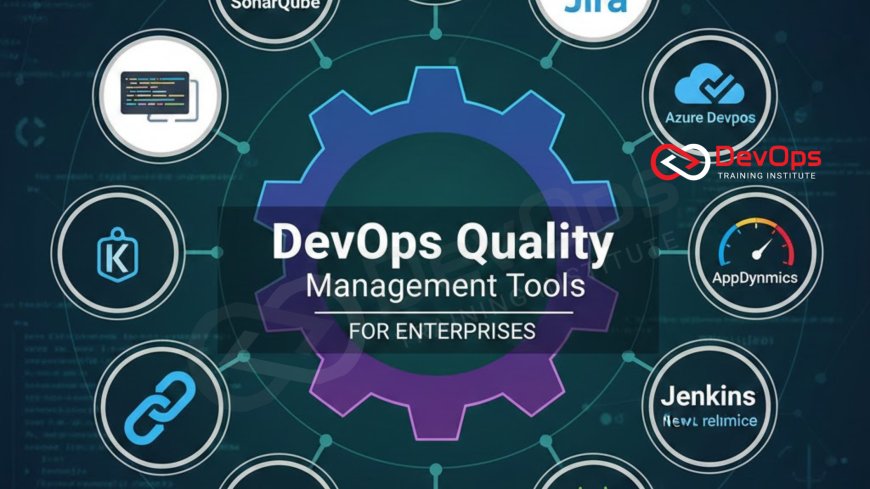
12 DevOps Quality Management Tools for Enterprises
Discover the most effective 12 DevOps quality management tools for enterprises designed to enhance software reliability and delivery speed. This comprehensive guide explores essential solutions for automated testing, code analysis, and continuous monitoring that empower large scale organizations to maintain high standards. Learn how integrating these professional tools into your delivery pipeline helps reduce manual errors, optimize resource utilization, and ensure a seamless user experience while fostering a culture of operational excellence and technical accountability across your entire engineering department today.
Introduction to Enterprise Quality Management
In the high stakes world of enterprise software, quality is not just a feature but a fundamental requirement for survival. Large organizations face unique challenges, including complex legacy systems, massive distributed architectures, and the need to comply with strict regulatory standards. As teams move toward faster delivery cycles, the traditional methods of manual testing are no longer sufficient to keep up with the pace of change. Enterprises must adopt sophisticated tools that integrate quality checks directly into their automated pipelines, ensuring that every piece of code meets rigorous performance and security standards before it ever reaches a customer.
DevOps quality management is about more than just finding bugs; it is about building a culture where quality is a shared responsibility across the entire development lifecycle. By utilizing a diverse set of tools for static analysis, functional testing, and real time monitoring, organizations can create a robust safety net that prevents defects from escalating into costly outages. This guide explores twelve of the most impactful tools that help enterprises maintain a competitive edge by delivering reliable, high quality software at scale. We will examine how these solutions fit into a modern platform engineering approach to create a frictionless experience for both developers and users.
Static Code Analysis and Security Scanning
The first line of defense in any quality management strategy is analyzing the code before it is even compiled. Static analysis tools scan source code to identify potential bugs, code smells, and security vulnerabilities without actually running the program. For enterprises, this means catching errors early in the process when they are easiest and cheapest to fix. Tools like SonarQube have become industry standards for this purpose, providing detailed dashboards that track technical debt and ensure that all developers are following the same coding standards across different teams and projects.
Beyond simple bug detection, modern scanning tools are a critical component of a comprehensive devsecops strategy. By integrating security testing into the initial stages of development, enterprises can automatically block code that contains known vulnerabilities or insecure patterns. This proactive approach ensures that security is built into the product rather than added as an afterthought. It allows organizations to maintain compliance with global data protection laws while still enjoying the speed and agility that modern development practices provide, ultimately leading to a more secure and trustworthy digital presence for the business.
Automated Functional and Regression Testing
Ensuring that software behaves as expected under a variety of conditions is the core mission of functional testing. In an enterprise environment, where applications often have thousands of different features and paths, manual regression testing is practically impossible. Tools like Selenium and Tricentis Tosca allow teams to create automated test suites that verify the user interface and backend logic after every single change. This ensures that new features do not accidentally break existing functionality, providing the confidence needed to deploy updates multiple times a day.
Automated testing also enables a more thorough exploration of edge cases and complex user workflows that might be missed during a manual review. By running these tests in parallel across different browsers and devices, organizations can significantly reduce the time required for a full release cycle. This high level of automation is a key driver behind the success of shift left testing strategies, where quality checks are moved to the earliest possible point in the delivery pipeline. This not only improves the final product but also empowers developers by giving them immediate feedback on the impact of their changes, reducing the "to-and-fro" between development and QA departments.
Continuous Performance and Load Testing
Enterprise applications must be able to handle sudden spikes in traffic without slowing down or crashing. Performance testing tools like JMeter and Gatling are essential for simulating thousands of concurrent users to identify bottlenecks in the system architecture. By automating these tests within the CI CD pipeline, teams can ensure that their infrastructure is capable of scaling to meet demand. This is particularly important for global organizations where user activity can fluctuate wildly across different time zones and major promotional events.
Integrating performance testing with a solid finops strategy allows companies to balance speed with cost efficiency. By understanding exactly how much resource a specific feature requires under load, engineers can make informed decisions about cloud provisioning. This prevents the common mistake of over-provisioning hardware "just in case," which can lead to ballooning cloud bills. Instead, data-driven performance analysis ensures that the organization only pays for the resources it actually needs to maintain a high quality of service for its users, maximizing the return on investment for its technological infrastructure.
Table: Top DevOps Quality Management Tools Overview
| Tool Category | Specific Tool | Primary Focus | Key Enterprise Benefit |
|---|---|---|---|
| Static Analysis | SonarQube | Code quality and security standards. | Reduces technical debt and enforces best practices. |
| Browser Automation | Selenium | Web-based functional testing. | Ensures consistent cross-browser user experience. |
| Performance Testing | Apache JMeter | Load and stress simulation. | Identifies bottlenecks before scaling to millions of users. |
| Release Orchestration | Jenkins / Azure DevOps | Automating the entire quality pipeline. | Provides a unified pane for all quality gates. |
| Application Monitoring | AppDynamics / Dynatrace | Real-time performance and error tracking. | Rapid root-cause analysis for production issues. |
| Vulnerability Scan | Snyk / Checkmarx | Dependency and application security. | Protects sensitive data from external breaches. |
| API Management | Postman / SoapUI | Integration and contract testing. | Ensures reliable microservice communication. |
Monitoring and Real-Time Observability
Quality management does not end when the code is deployed; it continues into the production environment. Modern observability tools like AppDynamics and Dynatrace provide real time visibility into how the application is performing for actual users. These tools use artificial intelligence to detect anomalies and automatically alert the engineering team to potential issues before they cause a full scale outage. This is a critical transition from simple monitoring to a comprehensive understanding of system behavior.
By analyzing the data gathered through observability, teams can perform rapid root-cause analysis for any production errors. This reduces the mean time to resolution and ensures that lessons learned from incidents are fed back into the development cycle to prevent recurrence. This proactive approach to reliability engineering is essential for large organizations that cannot afford the reputational damage caused by frequent downtime. It allows for a more scientific approach to system maintenance, where decisions are based on real-world data rather than assumptions about how the software might behave.
Release Orchestration and Quality Gates
Release orchestration tools serve as the conductor of the entire DevOps pipeline, ensuring that every quality check is performed in the correct order. Platforms like Jenkins, GitLab, and Azure DevOps allow enterprises to define quality gates that must be passed before the code can move to the next stage of the deployment process. If a unit test fails or a security scan reveals a high priority vulnerability, the pipeline is automatically halted, preventing the defective code from reaching production. This automated enforcement of standards is vital for maintaining consistency across hundreds of different teams.
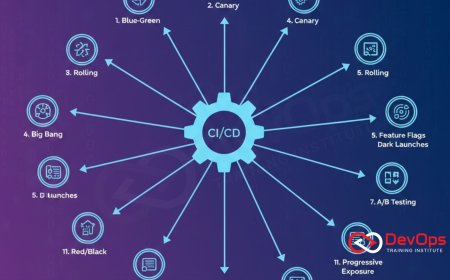
Advanced orchestration also supports sophisticated deployment patterns that minimize the risk of a new release. For example, using canary releases allows an organization to roll out a new feature to a small percentage of users first. By monitoring the quality of this small batch, the team can verify its stability before a full rollout. This method provides an ultimate safety net, allowing for high-velocity releases with minimal impact on the broader user base. It ensures that even the most complex enterprise applications can evolve rapidly without sacrificing the rock solid stability that customers expect.
Infrastructure Reliability and Chaos Engineering
Modern applications are only as reliable as the infrastructure they run on. In the world of cloud-native systems, failures are inevitable, and quality management must account for this reality. Tools like Gremlin and AWS Fault Injection Simulator allow organizations to practice a proactive discipline that involves deliberately introducing failures into a system to see how it recovers. This ensures that the application is resilient enough to survive network partitions, server crashes, and database timeouts without impacting the end user experience.
Implementing chaos engineering as part of the quality management framework helps identify hidden weaknesses that traditional testing might miss. It builds confidence in the system's self-healing capabilities and ensures that the engineering team is prepared to handle real world disasters. This proactive approach to resilience is a hallmark of high performing enterprise teams, turning potential catastrophes into non-events through disciplined testing and robust architectural design. It ensures that quality is not just about the code itself, but about the entire ecosystem in which that code operates.
API and Microservices Contract Testing
As enterprises break down monolithic applications into microservices, the complexity of communication between different components grows exponentially. Quality management must now include rigorous testing of the "contracts" between these services to ensure they can work together correctly. Tools like Postman and Pact are essential for automating API testing and ensuring that changes in one service do not break the functionality of another. This prevents the common problem of "integration hell" where components work individually but fail when combined.
Automated contract testing ensures that every API endpoint follows the specified documentation and returns the expected data formats. This level of precision is vital for large scale systems where dozens of different services might depend on a single central data provider. By maintaining high standards for service communication, organizations can achieve a much more agile development process where teams can update their own services independently without fear of causing cascading failures across the entire platform. This support for independent scaling is a key benefit of modern gitops and microservices architectures.
- Automated Mocking: Creating virtual versions of dependent services to test a component in isolation.
- Contract Verification: Ensuring that both the consumer and provider of an API agree on the data structure.
- Load Balanced Testing: Verifying API performance across multiple instances and regions.
- Documentation Sync: Automatically updating API documentation based on the results of successful tests.
Configuration and Environment Consistency
One of the most frequent causes of quality issues in large organizations is the difference between development, staging, and production environments. "It works on my machine" is a phrase that quality management tools aim to eliminate. By using containerization and configuration management tools like Docker and Ansible, enterprises can ensure that every environment is an exact replica of the production system. This consistency is fundamental to reliable testing and predictable deployments across the entire organization.
Ensuring that the infrastructure state matches the code is also a major focus of feature flags which allow teams to merge code into production while keeping specific features hidden until they are ready. This decoupling of deployment from release provides an extra layer of quality control, allowing for granular testing in the live environment with no risk to the general public. These tools provide the flexibility needed to maintain a high pace of innovation while ensuring that the core system remains stable and reliable for all users, regardless of the complexity of the underlying changes.
Conclusion
Navigating the complex landscape of enterprise software requires a disciplined and tool-driven approach to quality management. We have explored twelve essential categories of tools that span the entire development lifecycle, from initial code analysis and automated functional testing to real time observability and chaos engineering. Each of these solutions plays a vital role in creating a robust delivery pipeline that balances speed with rock solid reliability. By integrating quality gates directly into their automation workflows, organizations can ensure that they are delivering value to their customers with minimal risk. These tools not only reduce the burden on manual QA teams but also empower developers to take ownership of the quality of their code. As applications continue to grow in scale and complexity, the importance of a comprehensive and automated quality management strategy will only increase. Embracing these professional tools is a strategic imperative for any enterprise looking to thrive in a digital world where excellence is the minimum expectation. By building a culture of continuous quality, businesses can drive innovation, protect their reputation, and deliver exceptional experiences that keep their customers coming back year after year.
Frequently Asked Questions
What are DevOps quality management tools?
These are software solutions used to automate testing, analyze code quality, and monitor performance throughout the software development lifecycle.
How does SonarQube help enterprises?
SonarQube provides automated static code analysis to detect bugs and security vulnerabilities, ensuring high coding standards across large teams.
Why is automated testing important for enterprises?
Automation allows for rapid and repetitive testing of thousands of features, ensuring that new updates do not break existing system functionality.
What is the difference between observability and monitoring?
Monitoring tells you if a system is healthy, while observability provides deep context to help you understand why a system is behaving a certain way.
How do quality gates work in a pipeline?
Quality gates are automated checkpoints that stop a deployment if the code fails to meet specific criteria like test pass rates or security scores.
What is chaos engineering?
Chaos engineering involves deliberately introducing failures into a system to test its resilience and ensure it can recover from real-world outages.
How do feature flags improve software quality?
They allow teams to deploy code but keep features hidden, enabling safe testing in production without affecting the general user experience.
What is contract testing in microservices?
Contract testing ensures that different services can communicate correctly by verifying the data formats and API endpoints they share.
Can these tools help with security compliance?
Yes, many tools include automated scans for vulnerabilities and compliance checks, which are essential for maintaining global data security standards.
How does JMeter assist with performance?
JMeter simulates heavy user loads on a system to identify performance bottlenecks and ensure the application can scale effectively under pressure.
What is shift-left testing?
Shift-left testing is the practice of moving quality checks to the earliest stages of development to catch bugs when they are cheapest to fix.
How do releases stay safe with canary deployments?
A canary deployment rolls out a new version to a small group of users first to verify quality before releasing it to everyone.
What role does GitOps play in quality management?
GitOps ensures that infrastructure is managed through code, providing a single source of truth that improves environment consistency and reliability.
How can enterprises choose the right tools?
Organizations should evaluate tools based on their specific technology stack, scalability needs, and how well they integrate with existing automation workflows.
Do these tools reduce developer productivity?
No, they actually increase productivity by providing immediate feedback and automating repetitive tasks, allowing developers to focus on higher-value work.
What's Your Reaction?
 Like
0
Like
0
 Dislike
0
Dislike
0
 Love
0
Love
0
 Funny
0
Funny
0
 Angry
0
Angry
0
 Sad
0
Sad
0
 Wow
0
Wow
0

![100+ Azure DevOps Interview Questions and Answers [Updated 2025]](https://www.devopstraininginstitute.com/blog/uploads/images/202509/image_140x98_68c40aa9a3834.jpg)






![Future Scope of DevOps Careers in Pune [Updated 2025]](https://www.devopstraininginstitute.com/blog/uploads/images/202510/image_140x98_68e3a84652312.jpg)