






![Kong Interview Preparation Guide [2025]](https://www.devopstraininginstitute.com/blog/uploads/images/202509/image_430x256_68dbb95326997.jpg)





12 Kubernetes Multi-Cluster Management Solutions
Discover the most effective 12 Kubernetes multi-cluster management solutions designed to simplify your container orchestration at scale. This comprehensive guide explores top tier tools that enable centralized control, cross cluster networking, and unified security policies across hybrid and multi cloud environments. Learn how to improve system reliability, streamline application delivery, and optimize resource utilization while managing multiple Kubernetes clusters with ease, efficiency, and professional grade automation strategies for modern enterprise infrastructures.
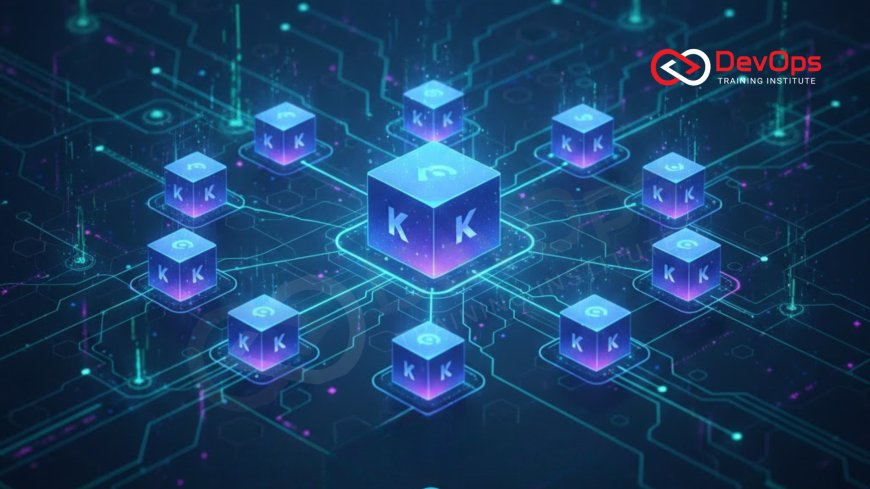
Introduction to Multi-Cluster Environments
As organizations grow their digital footprint, a single Kubernetes cluster often becomes insufficient to meet the demands of global scalability, high availability, and data sovereignty. Moving toward a multi-cluster strategy allows engineering teams to isolate workloads, manage disaster recovery more effectively, and reduce the blast radius of potential failures. However, managing dozens or hundreds of clusters independently creates massive operational complexity and significant manual toil for administrators who must keep everything synchronized and secure.
Multi-cluster management solutions are designed to provide a single pane of glass for all your Kubernetes environments. These tools help centralize policy enforcement, automate application deployments across different regions, and provide unified visibility into the health of your entire infrastructure. In this article, we will explore twelve of the most powerful solutions available today, helping you understand which tool fits your specific business needs. Whether you are operating in a public cloud, a private data center, or a hybrid setup, these technologies are essential for modern container management.
Centralized Governance and Security Policies
One of the biggest challenges in a multi-cluster world is ensuring that security standards are applied consistently across all environments. If one cluster has a different firewall setting or an outdated security patch, it can become a weak point for the entire organization. Centralized management tools allow security teams to define a set of rules in one place and have them automatically pushed to every cluster in the fleet. This ensures that compliance is not just a one time event but a continuous state for all your containerized workloads.
By implementing a robust devsecops approach, organizations can automate the scanning of images and the validation of network policies across their global infrastructure. This reduces the risk of human error and ensures that every cluster follows the same hardened security profile. These management platforms also provide detailed audit logs, making it much easier to prove compliance to regulators. Centralized governance is the foundation upon which safe and reliable large scale container operations are built, providing peace of mind for both engineers and business stakeholders.
Streamlining Application Delivery at Scale
Deploying an application to one cluster is simple, but deploying it to twenty clusters in different time zones requires sophisticated automation. Modern management solutions leverage the power of Git as the source of truth to ensure that application state is consistent everywhere. This eliminates the need for manual configuration changes on individual clusters and allows for rapid, repeatable deployments. When your code changes, the management tool detects the update and coordinates the rollout across the entire fleet of clusters automatically.
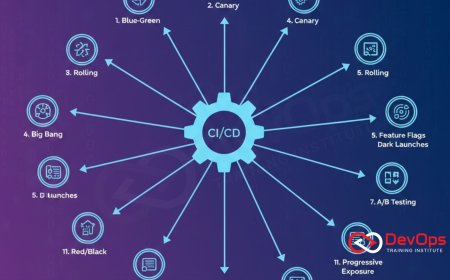
This automated flow is often facilitated by gitops methodologies, which bring transparency and version control to the deployment process. It also enables advanced techniques such as blue-green deployment on a global scale. By managing traffic at the cluster level, teams can test new versions in one region before expanding to the rest of the world. This level of control significantly reduces the risk of downtime and ensures that users always have access to the latest features without experiencing service interruptions during major updates.
Unified Observability Across the Fleet
Visibility is the key to maintaining a healthy multi-cluster environment. When you have multiple clusters, traditional monitoring tools can become fragmented, requiring engineers to log into different dashboards to see what is happening. A unified management solution aggregates all logs, metrics, and traces into a single view. This allows SRE teams to identify trends and detect anomalies that might affect multiple regions simultaneously, providing a holistic understanding of the entire system performance and resource health.
Understanding the difference between observability and monitoring is critical here. While monitoring tells you that a cluster is up, observability helps you understand why a specific microservice is behaving slowly in Europe but not in the United States. Unified platforms provide the deep context needed to troubleshoot complex distributed systems. This integrated data approach allows for more efficient capacity planning and faster root cause analysis, ultimately leading to higher uptime and a much better experience for your end users globally.
Table: Top 12 Multi-Cluster Management Solutions
| Solution Name | Primary Focus | Key Capability | Best For |
|---|---|---|---|
| Rancher | Open-source Management | Simplified cluster provisioning and UI. | Hybrid cloud environments. |
| Google Anthos | Cloud Native Hybrid | Unified management for GKE and on-prem. | Google Cloud customers. |
| Azure Arc | Multi-cloud Control | Extending Azure services to any cluster. | Azure-centric infrastructures. |
| Red Hat ACM | Enterprise Policy | Advanced policy and lifecycle management. | OpenShift and enterprise users. |
| VMware Tanzu | Modernizing Apps | Centralized management across vSphere/Cloud. | Existing VMware environments. |
| Argo CD | GitOps CD | Declarative multi-cluster deployments. | Automation-focused teams. |
| Karmada | Cluster Federation | Cloud-native multi-cluster orchestration. | Large scale open-source setups. |
| Crossplane | Infrastructure API | Universal control plane for all resources. | Resource abstraction needs. |
| Submariner | Network Connectivity | Direct L3 networking between clusters. | Cross-cluster service communication. |
| Gardner | Kubernetes-as-a-Service | Managing K8s at scale across clouds. | Service providers and hyperscalers. |
| KubeFed | Federated APIs | Coordinating multiple K8s API servers. | Traditional cluster federation. |
| Amazon EKS Anywhere | Managed On-Prem | Consistent EKS experience everywhere. | AWS users with local hardware. |
Cost Optimization and Resource Efficiency
Managing multiple clusters in the cloud can lead to ballooning costs if not monitored carefully. It is easy to lose track of idle resources scattered across different regions or accounts. Multi-cluster management solutions help by providing a centralized view of resource consumption, allowing teams to identify underutilized clusters and consolidate workloads. This proactive management ensures that the organization is not overpaying for infrastructure that is not delivering value to the business.
This financial oversight is a core component of finops, which aims to bring financial accountability to the variable spend of cloud computing. By using these management tools, teams can set budgets for individual clusters or projects and receive alerts when spending exceeds expectations. This allows for better resource allocation and ensures that the infrastructure remains cost effective as it scales. Effective management transforms cloud spending from a mysterious monthly bill into a controllable business investment that scales perfectly with the actual needs of the application.
Enhancing Resilience with Multi-Cluster Strategies
A major driver for multi-cluster adoption is the need for extreme resilience. If one cloud region experiences an outage, a well managed multi-cluster setup can automatically redirect traffic to healthy clusters in other regions. This self-healing capability is vital for mission critical applications that cannot afford even a few minutes of downtime. Management solutions simplify the complexity of setting up global load balancing and cross-cluster replication, making high availability accessible to teams of all sizes.
To ensure this resilience works when it matters most, many organizations utilize chaos engineering to test their multi-cluster failover mechanisms. By deliberately injecting faults, such as shutting down a specific cluster, engineers can verify that the management system responds as expected. This validation provides the confidence needed to operate global systems. Building a resilient architecture is an iterative process, and the right management tools provide the necessary guardrails and visibility to refine your disaster recovery strategies continuously without impacting the user experience.
- Automated failover between regions ensures that applications stay online during local provider outages.
- Cross-cluster networking allows microservices to communicate securely even when they live in different physical locations.
- Stateful application replication helps maintain data consistency across geographical boundaries for global users.
- Standardized recovery procedures reduce the time needed to restore services after a major infrastructure failure.
The Role of Platform Engineering in Cluster Management
As the number of clusters increases, it becomes impossible for a small team of operators to handle every request. This has led to the rise of platform engineering, where the focus shifts to building internal self-service platforms. Management solutions act as the engine for these platforms, allowing developers to provision their own clusters or namespaces within a set of predefined security and cost guardrails. This empowers development teams to move faster while maintaining centralized control over the infrastructure.
By providing a "golden path" for developers, platform engineers can ensure that every new cluster is automatically configured with the right monitoring, security, and networking tools. This reduces the cognitive load on developers and prevents the creation of "snowflake" clusters that are difficult to manage. A well implemented platform approach turns infrastructure into a service, allowing the organization to scale its engineering efforts without proportionally increasing the size of the operations team. This scalability is essential for enterprises looking to maintain high velocity in a competitive digital landscape.
Advanced Traffic Management and Testing
Managing traffic across multiple clusters enables powerful testing and deployment strategies that were previously difficult to implement. For instance, you can use multi-cluster management to facilitate a canary release where a new version of your software is only rolled out to a single cluster first. If the metrics from that cluster remain healthy, the management tool can then automate the rollout to the rest of the fleet, ensuring a safe and controlled update process for every user.
Furthermore, the use of feature flags within a multi-cluster environment allows for even more granular control. You can enable a specific feature only in your staging cluster or for a specific geographic region. This decoupling of deployment from release provides an ultimate safety net. By combining multi-cluster orchestration with these advanced delivery techniques, organizations can achieve a level of agility that allows them to experiment and innovate with minimal risk, ensuring that the production environment remains stable while constantly evolving to meet user needs.
Conclusion
Navigating the world of Kubernetes multi-cluster management is a journey that every growing organization must eventually take. By adopting one of the twelve solutions discussed, you can transform a chaotic collection of containers into a unified, resilient, and highly efficient global infrastructure. We have explored how these tools provide centralized governance, improve observability, and facilitate sophisticated deployment strategies like blue-green rollouts and canary releases. We also looked at the critical role of platform engineering and FinOps in ensuring that your infrastructure remains both developer friendly and cost effective. The choice of the right tool depends on your existing cloud provider, your team's expertise, and your specific scalability goals. Regardless of the choice, the ultimate objective remains the same: to build a stable and reliable platform that empowers your developers to deliver value to customers as fast as possible. Embracing multi-cluster management is not just a technical upgrade; it is a strategic investment in the future of your organization's digital agility and operational excellence in a cloud native world.
Frequently Asked Questions
What is Kubernetes multi-cluster management?
It is the practice of using tools to centralize the control, security, and deployment across several independent Kubernetes clusters simultaneously.
Why do I need more than one cluster?
Multiple clusters provide better isolation for security, help with disaster recovery, and ensure data stays within specific geographic regions for compliance.
What is the benefit of Rancher?
Rancher offers a user friendly interface and simplifies the management of any Kubernetes cluster across different cloud providers and on-premise hardware.
How does GitOps help with multi-cluster management?
GitOps uses Git as a single source of truth to ensure all clusters are configured identically and updated automatically when code changes.
What is Google Anthos?
Anthos is a platform that allows you to manage Kubernetes clusters on Google Cloud, other clouds, and your own local servers consistently.
Can I manage clusters on different cloud providers together?
Yes tools like Azure Arc and Rancher are designed specifically to provide a unified management layer across multiple different cloud platforms.
How do I handle networking between clusters?
Solutions like Submariner provide direct network connectivity between different clusters, allowing microservices to communicate as if they were in one cluster.
What is the difference between federation and management?
Federation focuses on coordinating multiple clusters into one big virtual cluster while management focuses on controlling independent clusters from one place.
How does multi-cluster management impact costs?
It provides visibility into resource usage across all clusters, helping you find and remove idle resources to optimize your overall cloud spending.
Is it hard to set up multi-cluster management?
While the initial configuration can be complex many modern tools offer automated installers and managed services to simplify the setup process.
What role does security play in multi-cluster management?
Centralized tools allow you to push security policies and identity management to all clusters at once, ensuring a consistent and hardened posture.
Can I use Argo CD for multiple clusters?
Yes Argo CD is excellent for managing application deployments across dozens of clusters using a declarative and automated GitOps approach.
What is Red Hat Advanced Cluster Management?
It is an enterprise tool for managing the lifecycle, security, and policies of multiple OpenShift and Kubernetes clusters from a central console.
How do I monitor multiple clusters at once?
Management solutions integrate metrics from all clusters into one dashboard using tools like Prometheus and Grafana for unified and deep observability.
What is a "golden path" in cluster management?
It is a pre-approved and automated way for developers to get the infrastructure they need without having to learn complex manual configurations.
What's Your Reaction?
 Like
0
Like
0
 Dislike
0
Dislike
0
 Love
0
Love
0
 Funny
0
Funny
0
 Angry
0
Angry
0
 Sad
0
Sad
0
 Wow
0
Wow
0


![100+ Azure DevOps Interview Questions and Answers [Updated 2025]](https://www.devopstraininginstitute.com/blog/uploads/images/202509/image_140x98_68c40aa9a3834.jpg)






![Future Scope of DevOps Careers in Pune [Updated 2025]](https://www.devopstraininginstitute.com/blog/uploads/images/202510/image_140x98_68e3a84652312.jpg)