






























![Kong Interview Preparation Guide [2025]](https://www.devopstraininginstitute.com/blog/uploads/images/202509/image_430x256_68dbb95326997.jpg)













14 Secrets Behind High Availability in DevOps
Unlock the foundational secrets behind high availability in DevOps with this comprehensive guide designed for engineers and business leaders alike. We explore fourteen critical strategies, including redundancy, automated failover, and proactive monitoring, that ensure your applications remain operational around the clock. Learn how modern infrastructure practices, cloud native architecture, and cultural shifts in engineering can help your organization eliminate downtime, improve user trust, and maintain a competitive edge in today's demanding digital landscape through resilient system design and operational excellence.

Introduction to High Availability
High availability is often described as the holy grail of modern technology operations. In a world where every minute of downtime can result in thousands of dollars in lost revenue and a significant blow to brand reputation, ensuring that systems are always accessible is no longer an option but a requirement. High availability refers to a system design protocol and associated implementation that ensures a certain absolute degree of operational continuity during a given period. It typically involves eliminating single points of failure and creating a robust environment where components can fail without taking the entire application offline.
In the DevOps world, high availability is not just a technical challenge; it is a cultural and process oriented goal. It requires a deep understanding of how software interacts with hardware and how teams respond to incidents. By combining automated tools with disciplined engineering practices, organizations can achieve the coveted five nines of reliability, which means the system is up 99.999 percent of the time. This blog post will pull back the curtain on the fourteen secrets that allow top tier engineering teams to keep their services running smoothly, regardless of the complexity or scale of their underlying infrastructure.
The Core Foundation of Redundancy
At the very heart of high availability lies the principle of redundancy. This means having multiple copies of every critical component in your system, from servers and databases to network connections and power supplies. If one part fails, there is always a backup ready to take over immediately. This prevents a single failure from escalating into a total system outage. Redundancy is not just about having extra hardware; it is about designing software that knows how to find and use those extra resources when the primary ones are no longer responding correctly.
Modern cloud providers make implementing redundancy easier by offering multiple availability zones and regions. By distributing your application across different physical locations, you protect yourself against localized disasters like fires or power outages. However, managing this complexity requires a clear strategy. This is where platform engineering comes into play, providing the underlying frameworks that allow developers to deploy redundant systems without having to worry about the low level networking or storage details. Proper redundancy ensures that your system remains resilient even when the unexpected happens.
Automated Load Balancing and Traffic Management
Redundancy is only useful if you have a way to direct traffic away from failed components and toward healthy ones. This is the role of the load balancer. A load balancer acts as a traffic cop, constantly checking the health of your servers and distributing user requests evenly among them. If a server becomes slow or unresponsive, the load balancer automatically stops sending traffic to it. This ensures that users always have a fast and reliable experience, even if some of the backend resources are currently undergoing maintenance or experiencing a technical glitch.
Beyond simple health checks, advanced traffic management allows for sophisticated deployment strategies. For instance, teams can use these tools to perform canary releases, where a small fraction of real users is directed to a new version of the software to verify its stability. If the new version performs well, the traffic is gradually increased. This automated control over traffic flow is essential for maintaining high availability while still moving fast and releasing new features frequently. It turns the risky process of deployment into a controlled, measurable event that minimizes the impact of potential bugs on the majority of your user base.
Implementing Robust Disaster Recovery Plans
While high availability focuses on preventing short term interruptions, disaster recovery is about surviving major catastrophes. A secret to true reliability is having a well documented and regularly tested plan for what happens if an entire data center or cloud region goes offline. This involves regular data backups, database replication across geographical distances, and the ability to spin up your entire infrastructure in a new location in a matter of minutes. Without a plan, a major event could lead to permanent data loss and weeks of downtime for your business.
Automating these recovery steps is vital because human error is much more likely to occur during a high pressure crisis. Many teams use gitops to ensure that their infrastructure definitions are always stored in version control, making it easy to replicate the entire environment elsewhere. By treating your recovery process as code, you can test it frequently to ensure it actually works. A disaster recovery plan that has never been tested is not a plan; it is just a hope. Proactive testing ensures that when a real disaster strikes, your team can respond with confidence and restore services with minimal delay.
Table: Availability Levels and Downtime Comparison
| Availability Percentage | Downtime per Year | Downtime per Month | Common Industry Term |
|---|---|---|---|
| 99% | 3.65 days | 7.31 hours | Two Nines |
| 99.9% | 8.77 hours | 43.83 minutes | Three Nines |
| 99.99% | 52.60 minutes | 4.38 minutes | Four Nines |
| 99.999% | 5.26 minutes | 26.30 seconds | Five Nines |
Proactive Observability and Real Time Alerts
You cannot fix a problem if you do not know it is happening. High availability depends on having deep visibility into every corner of your application and infrastructure. This goes beyond simple monitoring, which only looks at whether a system is up or down. Proactive teams focus on observability, which allows them to understand the internal state of a system by looking at the external data it generates, such as logs, metrics, and traces. This data helps identify trends and anomalies before they lead to an actual failure.
Understanding the observability differences is essential for building a reliable system. While monitoring tells you that your CPU usage is high, observability helps you understand why it is high by showing you which specific user requests or background jobs are causing the load. When combined with an automated alerting system, this information allows engineers to respond to issues in real time. The goal is to detect and resolve problems before they impact the end user, ensuring a seamless experience that builds trust and loyalty over time.
Integrating Security into the Availability Lifecycle
Security and availability are two sides of the same coin. A system that is taken down by a cyberattack is just as unavailable as one that crashes due to a software bug. One of the secrets to high availability is integrating security into every stage of the development process. This means scanning for vulnerabilities, enforcing strong access controls, and ensuring that all network traffic is encrypted. By treating security as an integral part of operations, you prevent external threats from disrupting your services.
This approach is often referred to as devsecops because it breaks down the silos between the security, development, and operations teams. When everyone is responsible for security, the system becomes much more resilient. For example, automated security checks in the deployment pipeline can block insecure code from ever reaching production. This proactive stance not only protects your data but also ensures that your application remains stable and available for legitimate users, shielding it from the unpredictable nature of the internet.
Advanced Deployment Strategies for Zero Downtime
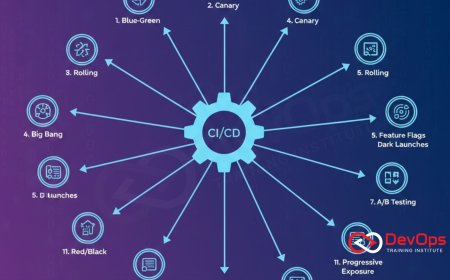
The traditional way of updating software often involved taking the system offline for a few hours, which is unacceptable for modern high availability services. Instead, professional teams use advanced deployment strategies that allow for updates with zero downtime. One of the most common methods is blue green deployment, where two identical environments are maintained. The new version is deployed to the idle environment, tested, and then traffic is instantly switched over. If any issues are found, the switch can be reversed just as quickly.
- Blue Green Deployment: Running two identical production environments to allow for risk free updates.
- Rolling Updates: Gradually replacing old instances with new ones to ensure capacity is maintained throughout the process.
- Canary Releases: Testing new code on a small subset of users before a full global rollout.
- A/B Testing: Comparing two different versions of a feature to see which one performs better with users.
Another powerful secret is the use of feature flags, which allow you to turn specific parts of your code on or off without a full redeploy. This provides an incredible amount of control over the user experience. If a new feature starts causing performance issues, it can be disabled instantly with a single click, preventing a minor bug from turning into a major outage. These strategies ensure that the act of releasing new software is no longer a high stakes event, but a routine part of a reliable and continuous delivery process.
Resilience Testing Through Chaos Engineering
To truly trust that your system is highly available, you must test its ability to handle failure under pressure. This is the core idea behind chaos engineering, which involves deliberately injecting faults into your production environment to see how it reacts. By randomly killing servers, inducing network latency, or blocking access to databases, engineers can identify hidden weaknesses in their architecture that would never be found during traditional testing. It is about building confidence through controlled destruction.
This proactive approach to resilience ensures that your team knows exactly how the system will behave during a real world crisis. It shifts the mindset from trying to prevent all failures to building a system that can gracefully handle any failure. When combined with a culture of shift left testing, where quality is checked early in the development cycle, you create a powerful defense against downtime. Resilience is not something you add at the end; it is something you build into the very fabric of your application from day one.
Optimizing Resources with FinOps and Scaling
Availability often depends on having enough resources to handle user demand, but overprovisioning can lead to massive waste. One of the secrets to balancing performance and cost is the practice of finops, which brings financial accountability to cloud spending. By using automated scaling, your system can add resources during traffic spikes to maintain availability and remove them when demand is low to save money. This ensures that you always have the right amount of capacity without breaking the bank.
Efficient resource management requires a deep understanding of your application's performance profile. You must know which components are most likely to become bottlenecks and how they respond to increased load. By automating your scaling policies based on real time metrics, you ensure that your system is always responsive. High availability is not just about being "up"; it is about being performant enough to meet user expectations. A slow system is often perceived as an unavailable one, so optimizing for both speed and reliability is the key to providing a world class service in the cloud.
Conclusion
Achieving high availability in a modern DevOps environment is a multifaceted challenge that requires a combination of smart architecture, automated tools, and a disciplined engineering culture. We have explored fourteen secrets that top tier teams use to keep their systems running, from the foundational principles of redundancy and load balancing to advanced strategies like chaos engineering and zero downtime deployments. By eliminating single points of failure, prioritizing observability, and integrating security into every stage of the lifecycle, organizations can build systems that are not only available but truly resilient. Remember that high availability is an ongoing journey of improvement rather than a final destination. As your application grows and the technology landscape evolves, your strategies for maintaining uptime must evolve as well. By focusing on these core secrets, you can ensure that your services remain reliable, your users stay happy, and your business continues to thrive in an increasingly digital and demanding world. The investment in reliability pays dividends in the form of customer trust and operational excellence that lasts for years to come.
Frequently Asked Questions
What is High Availability?
High Availability refers to systems that are durable and likely to operate continuously without failure for a long time.
What does "Five Nines" mean?
Five Nines is an industry standard meaning 99.999 percent uptime, which equals about 5 minutes of downtime per year.
How does redundancy help availability?
Redundancy ensures that if one component fails, a backup is ready to take over, preventing total system failure.
What is a single point of failure?
A single point of failure is any part of a system that, if it fails, will stop the entire system from working.
How do load balancers work?
Load balancers distribute incoming network traffic across a group of backend servers to ensure no single server becomes overwhelmed.
Why is monitoring important for availability?
Monitoring allows teams to detect issues in real time and fix them before they lead to significant downtime or user impact.
What is a failover?
Failover is an automatic switching to a redundant or standby computer server, system, or network upon the failure of the original.
How does chaos engineering improve uptime?
It helps find hidden weaknesses by deliberately injecting failures into the system to test how well it recovers and self-heals.
What is a blue green deployment?
It is a deployment strategy that uses two identical environments to ensure zero downtime and easy rollbacks during software updates.
What is the role of automation in availability?
Automation reduces human error and allows for rapid, consistent responses to incidents, scaling needs, and deployment tasks throughout the lifecycle.
Can cloud providers guarantee high availability?
Cloud providers offer tools for high availability, but the customer is responsible for designing their application architecture to be truly resilient.
How does database replication work?
It involves copying data from one database to another in real time so that both stay synchronized and ready for failover.
What is a canary release?
A canary release involves rolling out a new feature to a small group of users first to verify its stability before everyone else.
Why should I use feature flags?
Feature flags allow you to disable problematic code instantly without a full redeploy, significantly reducing the impact of bugs on users.
What is Disaster Recovery?
Disaster Recovery is a set of policies and procedures to enable the recovery or continuation of vital technology infrastructure following a catastrophe.
What's Your Reaction?
 Like
0
Like
0
 Dislike
0
Dislike
0
 Love
0
Love
0
 Funny
0
Funny
0
 Angry
0
Angry
0
 Sad
0
Sad
0
 Wow
0
Wow
0





![100+ Azure DevOps Interview Questions and Answers [Updated 2025]](https://www.devopstraininginstitute.com/blog/uploads/images/202509/image_140x98_68c40aa9a3834.jpg)






![Future Scope of DevOps Careers in Pune [Updated 2025]](https://www.devopstraininginstitute.com/blog/uploads/images/202510/image_140x98_68e3a84652312.jpg)