

![Kong Interview Preparation Guide [2025]](https://www.devopstraininginstitute.com/blog/uploads/images/202509/image_430x256_68dbb95326997.jpg)

18 High-Demand DevOps Skills
Prepare your career for the future by mastering the eighteen most essential high demand DevOps skills for twenty twenty six. This extensive guide explores emerging technologies like AI augmented toolchains, advanced cloud security, and site reliability engineering practices that are reshaping the industry landscape. Whether you are a beginner or a seasoned professional, understanding these core competencies will ensure you remain competitive in an increasingly automated and complex global software market. Discover the roadmap to becoming a top tier engineer and stay ahead of the technical curve starting today with our expert insights and detailed analysis.
Introduction to the Evolving DevOps Landscape
As we look toward the year twenty twenty six, the role of a DevOps professional is transforming from a focus on manual scripting to a mastery of complex, automated ecosystems. The rapid advancement of artificial intelligence and machine learning is fundamentally changing how code is written, tested, and deployed across global networks. To succeed in this new era, engineers must look beyond basic automation and embrace a wider set of technical and cultural competencies. This evolution requires a commitment to continuous learning and an ability to adapt to tools that were barely in existence just a few years ago.
The demand for skilled practitioners remains at an all time high, but the expectations have shifted toward a more holistic understanding of the software lifecycle. Modern teams now require experts who can bridge the gap between pure software engineering and traditional system operations with ease. This means that staying relevant involves more than just knowing a single tool like Jenkins or Docker; it involves understanding the underlying principles of distributed systems and how they interact in a cloud native world. Preparing for twenty twenty six means starting to build these high demand skills right now to lead the next wave of digital transformation.
Mastery of AI Augmented Toolchains
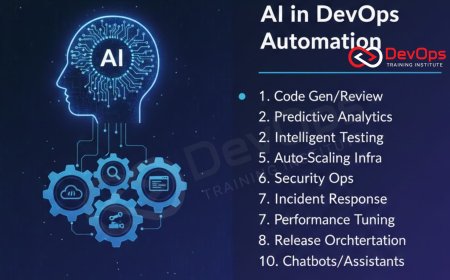
One of the most significant shifts in the coming years will be the integration of artificial intelligence into the daily workflows of engineering teams. Professionals will need to understand how to leverage AI augmented devops tools to automate repetitive tasks like code reviews, bug detection, and log analysis. These tools are designed to augment human intelligence, allowing engineers to focus on higher level architectural decisions rather than getting bogged down in mundane maintenance. Knowing how to train and tune these AI models for specific operational needs will be a highly prized skill in the job market.
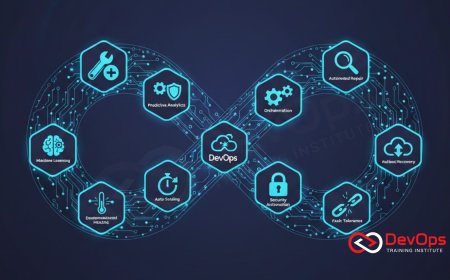
Beyond simple automation, AI will play a critical role in predictive analytics for system health and performance. Engineers who can interpret the data generated by AI driven monitoring systems will be able to prevent outages before they occur. This proactive approach to operations is a core component of modern reliability engineering. As these technologies become more accessible, the ability to integrate them into existing CI CD pipelines will be essential. Understanding the ethical implications and security considerations of using AI in production environments will also be a key differentiator for senior leaders in the technical space.
Advanced Infrastructure as Code and GitOps
Infrastructure as Code has moved from a best practice to a mandatory requirement for any scalable organization. By twenty twenty six, the focus will shift toward even more sophisticated levels of abstraction where entire environments are managed through declarative configuration. Mastery of tools like Terraform, Pulumi, and Crossplane is essential for anyone looking to manage complex cloud resources effectively. These tools allow for version control and peer review of infrastructure changes, which significantly reduces the risk of human error during manual configuration sessions in the cloud console.
Closely related to this is the rise of GitOps, which uses Git as the single source of truth for both application code and infrastructure. Learning how to manage cluster states using GitOps principles ensures that your production environment is always in sync with your defined configuration. This approach simplifies the process of disaster recovery and multi region deployments. Engineers must become proficient in using controllers that constantly monitor the environment and automatically correct any drift from the desired state. This high level of automation is what enables small teams to manage massive, global scale infrastructure with confidence and precision.
Cloud Native Security and DevSecOps
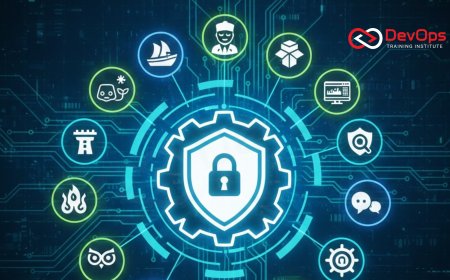
Security is no longer a separate phase at the end of the development cycle; it must be integrated into every step of the process. This shift, known as DevSecOps, requires engineers to have a deep understanding of security protocols, vulnerability scanning, and compliance requirements. Professionals must be able to implement automated security checks within their pipelines to catch issues early. This includes the use of secret scanning tools to ensure that sensitive information like API keys and passwords never make it into public or private code repositories.
In addition to code security, engineers must understand the complexities of securing cloud native environments like Kubernetes. This involves configuring network policies, managing identity and access management, and utilizing admission controllers to enforce security standards at the cluster level. As cyber threats become more sophisticated, the ability to design and implement a zero trust architecture will be one of the most in demand skills for senior DevOps roles. Security is a shared responsibility, and those who can effectively champion a security first culture within their teams will be highly successful in the coming years.
Comparison of DevOps Specializations for 2026
| Skill Area | Primary Focus | Key Tools | Demand Level |
|---|---|---|---|
| Platform Engineering | Internal Developer Portals | Backstage, ArgoCD | Very High |
| Site Reliability | System Availability | Prometheus, Grafana | High |
| Security Engineering | Threat Prevention | Snyk, Aqua Security | Extreme |
| Cloud Architecture | Scalable Design | AWS, Azure, GCP | High |
| DataOps | Data Pipeline Automation | Airflow, dbt | Medium |
The Rise of Platform Engineering and Developer Experience
Platform engineering is emerging as a critical discipline that aims to reduce the cognitive load on developers by providing them with self service capabilities. Instead of every developer needing to be an expert in Kubernetes or cloud networking, platform engineers build an internal developer platform that abstracts away the complexity. This allows product teams to deploy their code faster and with fewer errors. Learning how to build and maintain these platforms using tools like Backstage or Humanitec is becoming a top priority for organizations that want to scale their engineering output.
Focusing on the developer experience means creating a seamless path from code to production. This involves optimizing local development environments, streamlining CI CD pipelines, and providing clear documentation for internal tools. When developers can move quickly without being blocked by infrastructure hurdles, the entire business benefits from a faster time to market. Those who can design architecture patterns that support these self service models will find themselves at the center of modern technical strategy. It is about creating a paved road that makes the right thing the easy thing to do for every engineer.
Mastering Container Orchestration and Beyond
While Docker and Kubernetes are already industry standards, the next few years will require a deeper understanding of the underlying technologies that power them. Engineers will need to know when it is better to use containerd instead of the full Docker suite for better performance and reduced overhead in production environments. Mastery of service meshes like Istio or Linkerd will also be vital for managing traffic, security, and observability in microservices architectures. These tools provide the necessary control to manage complex interactions between hundreds of different services.
As the industry moves toward serverless and edge computing, DevOps professionals must adapt their skills to manage these highly distributed workloads. This involves understanding how to deploy code to locations closer to the end user to reduce latency and improve performance. Learning how to orchestrate these various compute models under a single management plane is a significant challenge that requires a strong grasp of networking and distributed systems. The ability to manage hybrid cloud and multi cloud environments will also be essential as companies seek to avoid vendor lock in and improve their overall system resilience against regional failures.
Core Competencies for the Future DevOps Pro
- Advanced Scripting: Moving beyond simple Bash scripts to mastering Python or Go for building complex automation tools and CLI applications.
- Observability: Transitioning from basic monitoring to deep observability using distributed tracing and structured logging to understand system behavior.
- Soft Skills: Developing strong communication and empathy to lead the cultural change necessary for successful DevOps adoption in large organizations.
- SRE Practices: Implementing error budgets and service level objectives to balance the need for speed with the requirement for system stability.
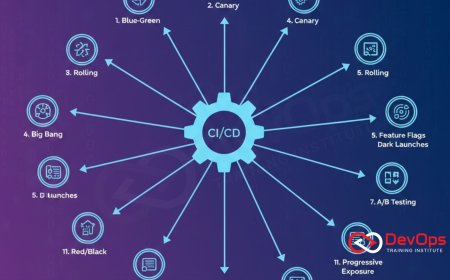
- Release Management: Expertly managing various release strategies to ensure safe and predictable deployments to production environments.
- FinOps: Understanding cloud costs and implementing strategies to optimize spending without sacrificing performance or scalability for the business.
- Continuous Verification: Utilizing continuous verification to ensure that systems are behaving as expected in real time throughout the entire lifecycle.
Developing these skills requires a proactive approach to professional development. Engineers should seek out opportunities to work on cross functional projects and stay curious about new technologies as they emerge. Participating in the open source community and attending industry conferences are also great ways to stay informed about the latest trends. By focusing on a mix of technical depth and broad architectural understanding, you can build a career that is resilient to the changes in the tech industry. It is not just about the tools you know today, but how quickly you can learn the tools of tomorrow.
Conclusion: Preparing for Twenty Twenty Six
In conclusion, the journey to becoming a top tier DevOps professional in twenty twenty six is defined by a shift toward more intelligent, automated, and secure systems. By mastering AI augmented workflows, advanced infrastructure as code, and platform engineering, you will be well positioned to lead your organization through the next decade of technical challenges. The key is to remain adaptable and keep the end user experience at the heart of everything you build. As systems become more complex, the role of the engineer becomes even more vital in ensuring that technology remains a powerful enabler for business success.
The transition to these advanced skills won't happen overnight, but by starting today, you can gain a significant competitive advantage. Focus on building a strong foundation in distributed systems and security while exploring the possibilities of artificial intelligence and edge computing. Use ChatOps techniques to improve collaboration and transparency within your team. As you grow, remember that the most successful professionals are those who can combine technical excellence with a deep understanding of the people and processes that drive innovation. The future of DevOps is bright, and those who prepare now will be the ones who define it.
Frequently Asked Questions
What is the most important skill for a DevOps engineer in 2026?
The most important skill will be the ability to manage and integrate AI augmented tools into the software delivery pipeline effectively.
Is Kubernetes still relevant for the future of DevOps?
Yes, Kubernetes will remain the dominant platform for container orchestration, but the focus will shift toward higher level abstractions and security.
How can I start learning about AI in DevOps?
Start by exploring AI powered coding assistants and automated log analysis tools to understand how they can improve your existing daily workflows.
What is platform engineering and why is it growing?
It is the practice of building internal tools that help developers self serve their infrastructure needs, reducing friction and increasing overall productivity.
Do I need to learn a programming language for DevOps?
Yes, proficiency in languages like Python or Go is essential for building custom automation and managing modern cloud infrastructure as code.
What is the difference between SRE and DevOps?
DevOps is a cultural philosophy focused on collaboration, while SRE is a specific implementation of those principles focused on system reliability.
Why is FinOps becoming more important for engineering teams?
As cloud environments grow, managing costs becomes more complex, requiring engineers to optimize resources to stay within budget while maintaining performance.
Can I transition to DevOps from a traditional IT role?
Yes, by focusing on learning automation, cloud providers, and containerization, you can successfully transition into a modern DevOps or SRE role.
How does GitOps improve the deployment process?
GitOps provides a clear audit trail and automated synchronization, ensuring that the production environment always matches the configuration stored in Git repositories.
What are the best certifications to have by 2026?
Focus on professional level certifications from major cloud providers like AWS or Azure, as well as specialized security and Kubernetes certifications.
Is soft skill development really that important for engineers?
Yes, being able to communicate complex ideas and drive cultural change is vital for the success of any large scale technical initiative.
What role does security play in the future of DevOps?
Security must be integrated into every stage of the pipeline, making DevSecOps a core part of the standard DevOps engineering skill set.
How can I keep up with the fast pace of tech?
Follow industry blogs, participate in technical communities, and dedicate time each week to learning and experimenting with new tools and techniques.
What is observability and how does it differ from monitoring?
Monitoring tells you if a system is up, while observability allows you to understand why a system is behaving in a certain way.
Will AI eventually replace the need for DevOps engineers?
No, AI will handle the repetitive tasks, but humans will still be needed for complex architectural design, strategy, and overall system management.
What's Your Reaction?
 Like
0
Like
0
 Dislike
0
Dislike
0
 Love
0
Love
0
 Funny
0
Funny
0
 Angry
0
Angry
0
 Sad
0
Sad
0
 Wow
0
Wow
0

![100+ Azure DevOps Interview Questions and Answers [Updated 2025]](https://www.devopstraininginstitute.com/blog/uploads/images/202509/image_140x98_68c40aa9a3834.jpg)





![Future Scope of DevOps Careers in Pune [Updated 2025]](https://www.devopstraininginstitute.com/blog/uploads/images/202510/image_140x98_68e3a84652312.jpg)