


![Kong Interview Preparation Guide [2025]](https://www.devopstraininginstitute.com/blog/uploads/images/202509/image_430x256_68dbb95326997.jpg)

14 DevOps Cybersecurity Tools for Enterprises
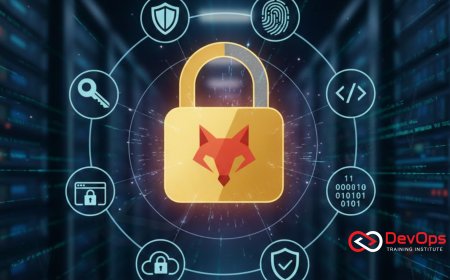
In the high-stakes world of enterprise technology, securing your software delivery pipeline is no longer optional. This comprehensive guide details fourteen essential DevOps cybersecurity tools for enterprises in twenty twenty six, focusing on the "shift-left" approach to security. Discover top-tier solutions for secrets management, container security, and cloud-native protection that integrate seamlessly into modern CI/CD workflows. Learn how to defend against supply chain attacks, enforce policy-as-code, and maintain compliance at scale across multi-cloud environments. Whether you are leading a large-scale digital transformation or hardening existing clusters, these expert insights will provide the technical roadmap to building a resilient and secure DevOps ecosystem today.
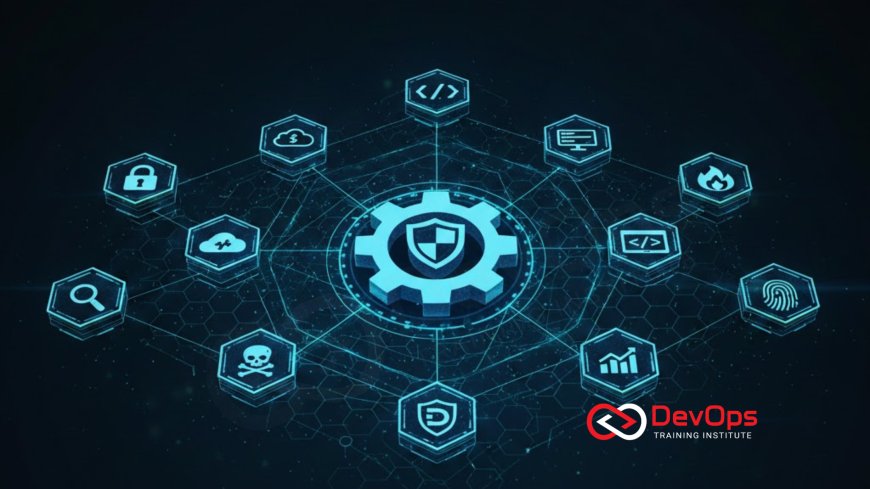
Introduction to Enterprise DevSecOps
As enterprises scale their digital operations in twenty twenty six, the intersection of rapid software delivery and robust cybersecurity has become a primary battlefield. DevSecOps is the evolution of traditional DevOps that treats security as an integral, automated part of the development lifecycle rather than a final gate before release. This approach requires a suite of specialized tools designed to provide visibility and protection across complex, distributed cloud environments. For a large-scale organization, the challenge lies in choosing tools that can handle massive throughput while maintaining strict compliance and safety standards for the business.
Implementing a successful DevSecOps strategy involves more than just buying software; it requires a fundamental cultural change where every engineer takes responsibility for the security of the code they write. By automating security checks within the pipeline, enterprises can identify and fix vulnerabilities in real-time, significantly reducing the "mean time to remediate." This guide presents fourteen high-impact cybersecurity tools that are essential for modern enterprises looking to protect their assets, data, and reputation in an increasingly hostile digital landscape. These tools represent the gold standard for securing the future of enterprise software engineering.
Mastering Secrets Management with HashiCorp Vault
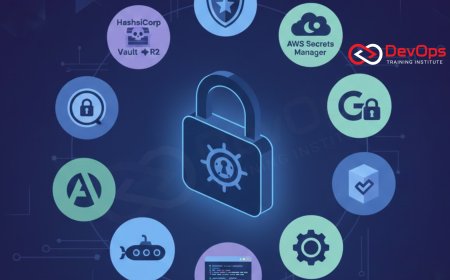
One of the most critical security challenges for any enterprise is the management of "secrets"—API keys, passwords, certificates, and database credentials. HashiCorp Vault is the industry leader in this space, providing a centralized, secure repository for sensitive data that can be dynamically injected into applications and infrastructure at runtime. By using Vault, organizations can eliminate the dangerous practice of hardcoding credentials in configuration files or source code, which is a leading cause of data breaches. It provides a robust audit trail and supports automated rotation of secrets to minimize the risk of a single leaked key compromising the entire cloud architecture patterns.
Vault’s ability to provide "identity-based" access ensures that only authorized services and users can retrieve specific secrets, following the principle of least privilege. In twenty twenty six, as enterprises manage thousands of microservices across hybrid clouds, Vault acts as a universal broker of identity and security. It integrates deeply with platforms like Kubernetes and AWS, allowing for seamless secret scanning tools integration to detect and block any attempted unauthorized access. Mastering this tool is a prerequisite for any enterprise aiming to achieve a high level of operational security and technical maturity in their cloud-native journey.
Cloud-Native Protection with Prisma Cloud
For organizations operating across multiple cloud providers, Prisma Cloud by Palo Alto Networks offers a comprehensive security platform that covers everything from code to cloud. It provides deep visibility into your cloud infrastructure, identifying misconfigurations, unpatched vulnerabilities, and compliance violations in real-time. By utilizing its Cloud Security Posture Management (CSPM) capabilities, enterprises can ensure that their AWS, Azure, and Google Cloud environments are always aligned with industry standards like SOC2 or HIPAA. This centralized visibility is vital for managing complex cluster states and preventing lateral movement by attackers.
Prisma Cloud also features advanced Cloud Workload Protection (CWPP) that defends containers, serverless functions, and virtual machines during runtime. It uses machine learning to detect anomalous behavior, such as unexpected process execution or suspicious network traffic, allowing for rapid incident handling before a threat can escalate. Integrating these who drives cultural change strategies into your security operations center ensures that your DevOps and security teams are working off the same data. It is an essential tool for protecting the modern enterprise's expansive and dynamic digital footprint from sophisticated cloud-based threats.
Developer-First Security with Snyk
Snyk has revolutionized the way developers think about security by providing a platform that integrates directly into their existing workflows and IDEs. It focuses on identifying vulnerabilities in open-source dependencies, container images, and infrastructure as code templates before they are even committed to the repository. This "shift-left" approach empowers developers to fix security issues as part of their daily routine, rather than waiting for a report from a security team days or weeks later. Snyk’s vast database of vulnerabilities and automated remediation suggestions make it a favorite for teams prioritizing speed and continuous synchronization.
Beyond vulnerability scanning, Snyk provides deep insights into the software supply chain, helping enterprises manage the risks associated with third-party libraries and components. In twenty twenty six, as supply chain attacks become more frequent, the ability to verify the provenance and safety of every package is a critical business requirement. By utilizing release strategies that include mandatory Snyk scans, organizations can ship code with much higher confidence. Snyk effectively bridges the gap between development and security, fostering a collaborative environment where security is seen as an enabler of quality rather than a bottleneck to innovation.
Comparison of Top Enterprise DevOps Security Tools
| Tool Name | Primary Focus | Security Phase | Enterprise Fit |
|---|---|---|---|
| HashiCorp Vault | Secrets Management | Deployment / Runtime | Very High |
| Prisma Cloud | Cloud Security (CNAPP) | Build / Runtime | Extreme |
| Snyk | SCA / Container Security | Code / Build | High |
| Aqua Security | Container / K8s Security | Build / Runtime | High |
| Checkmarx One | SAST / DAST Platform | Full SDLC | Very High |
Container and Kubernetes Security with Aqua
Aqua Security provides specialized protection for containerized and cloud-native applications, focusing on the entire lifecycle from build to runtime. As enterprises increasingly rely on Kubernetes for orchestration, Aqua offers the necessary tools to secure the cluster environment, including automated image scanning and specialized admission controllers. These controllers can block the deployment of any image that doesn't meet specific security criteria, such as containing high-severity vulnerabilities or being pulled from an untrusted registry. This ensures that only hardened artifacts are allowed to run in your production environment.
Beyond static scanning, Aqua’s runtime protection monitors active containers for unauthorized activity, such as file modifications or unexpected network connections. This is particularly important for detecting zero-day exploits or insider threats that might bypass initial security gates. By using Aqua, DevOps teams can enforce a "zero trust" model within their Kubernetes clusters, ensuring that every container is isolated and behaves as expected. It is a vital tool for organizations that handle sensitive financial or health data and require the highest levels of data integrity and system availability. Aqua ensures that your containerized infrastructure is as secure as it is scalable.
Unified Application Security with Checkmarx
Checkmarx One is a cloud-native application security platform that provides a unified view of security risks across your entire software portfolio. It combines Static Application Security Testing (SAST), Dynamic Application Security Testing (DAST), and API security into a single interface, allowing enterprises to manage their application risk comprehensively. By analyzing the source code during the build phase, Checkmarx identifies insecure coding patterns and vulnerabilities that could lead to SQL injection or cross-site scripting attacks. This automated analysis is a cornerstone of a robust DevSecOps practice, ensuring that the foundational code is secure from the start.
The platform also offers specialized tools for scanning Infrastructure as Code (IaC) templates and open-source components, providing a 360-degree view of the application's attack surface. In twenty twenty six, as APIs become the primary target for many cyber attacks, Checkmarx’s dedicated API security features help organizations discover and protect every endpoint. By utilizing ChatOps techniques for alerting, security teams can respond to critical findings immediately within their collaborative workspaces. Checkmarx enables enterprises to build a resilient and secure application layer that can withstand the pressures of a fast-paced digital environment while maintaining the trust of their global customers.
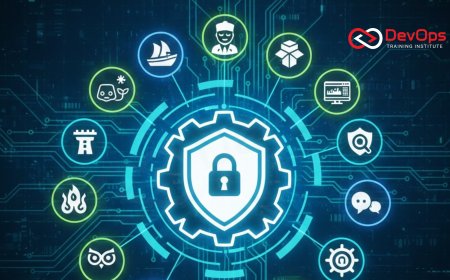
14 Essential DevOps Cybersecurity Tools for 2026
- HashiCorp Vault: Centralized secrets and key management for cloud applications and infrastructure.
- Prisma Cloud: Unified cloud-native security platform for multi-cloud visibility and protection.
- Snyk: Developer-focused platform for securing code, dependencies, and container images.
- Aqua Security: Full-lifecycle security for containers, serverless, and Kubernetes clusters.
- Checkmarx One: Integrated SAST, DAST, and SCA platform for comprehensive appsec management.
- SonarQube: Automated code quality and security analysis integrated into CI/CD pipelines.
- Falco: Open-source runtime security for intrusion detection in cloud-native environments.
- GitLab CI/CD Security: Built-in security scanning and vulnerability management within the GitLab platform.
- GitHub Advanced Security: Native code scanning, secret detection, and dependency tracking on GitHub.
- CrowdStrike Falcon: Cloud-native endpoint and workload protection with real-time threat detection.
- Sysdig Secure: Container security with deep visibility for monitoring and runtime forensics.
- Tenable: Vulnerability management across IT, cloud, and containerized assets.
- Veracode: Cloud-based platform for automated security testing across the entire SDLC.
- Chef InSpec: Policy-as-code framework for automating infrastructure security and compliance.
Choosing the right combination of these fourteen tools depends on your enterprise's specific technical stack and regulatory requirements. Most successful organizations start by addressing their most immediate risks, such as insecure secrets or vulnerable dependencies, and gradually build out a comprehensive security toolchain. By utilizing GitOps to manage your security configurations, you can ensure that your safety protocols are as versioned and repeatable as your application code. This disciplined approach to cybersecurity turns your delivery pipeline into a powerful defensive asset that enables, rather than hinders, your business goals in twenty twenty six.
Conclusion on Enterprise Security Architecture
In conclusion, the fourteen DevOps cybersecurity tools discussed in this guide provide the necessary technical foundation for any enterprise looking to master the art of secure software delivery. From the centralized management of secrets with Vault to the comprehensive cloud protection of Prisma Cloud and the developer-first approach of Snyk, these platforms offer a multi-layered defense against modern threats. By automating security at every stage of the lifecycle, you can build a resilient technical ecosystem that protects your organization's most valuable assets while supporting rapid innovation and growth in the cloud.
As you look toward the future, the integration of AI augmented devops will continue to play a larger role in how we detect and remediate vulnerabilities automatically. Staying informed about AI augmented devops trends will help you stay ahead of the curve as cyber threats evolve. Ultimately, the success of your DevSecOps journey depends on fostering a culture of shared responsibility and continuous learning. By prioritizing these fourteen tools today, you are not just checking a compliance box; you are building a secure and stable future for your business in an increasingly complex and interconnected digital world. Secure your pipeline, protect your data, and lead with confidence.
Frequently Asked Questions
What is the primary goal of DevSecOps in an enterprise?
The goal is to integrate security as an automated and collaborative part of the entire development and deployment lifecycle for software projects.
How does HashiCorp Vault help with cybersecurity?
It provides a centralized and secure way to manage and rotate sensitive credentials like API keys, protecting them from unauthorized access or exposure.
Why is Prisma Cloud considered a comprehensive tool?
Prisma Cloud covers the entire cloud-native stack, providing visibility and security from the build phase through production runtime across multiple clouds.
Can Snyk be used by non-security experts?
Yes, Snyk is designed to be developer-friendly, providing clear guidance and automated fixes directly within the tools that developers use every day.
What is the benefit of using Aqua Security for Kubernetes?
Aqua provides specialized admission controllers and runtime monitoring that ensure only secure and verified containers can run in your Kubernetes clusters.
How does SonarQube improve the security of the codebase?
SonarQube performs automated static analysis to find insecure coding patterns and potential vulnerabilities before the code is even merged and deployed.
What role does Falco play in a security stack?
Falco is a runtime security tool that acts as an intrusion detection system, alerting you to suspicious activity happening inside your running containers.
Is it possible to automate compliance checks in DevOps?
Yes, tools like Chef InSpec allow you to write security policies as code and automatically verify compliance during the deployment process every time.
What is a supply chain attack and how can I prevent it?
A supply chain attack targets third-party dependencies; tools like Snyk and Checkmarx scan these libraries for vulnerabilities to prevent such exploits successfully.
How do secret scanning tools prevent data breaches?
These tools scan your repositories for accidentally committed credentials, alerting you to revoke and rotate them before they can be exploited by attackers.
Can I integrate security tools into GitHub and GitLab?
Both platforms offer advanced, native security features like code scanning and dependency alerts that integrate directly into your existing CI/CD pipelines and workflows.
What is the difference between SAST and DAST?
SAST scans the source code without running it, while DAST tests the running application by simulating real-world attacks to find dynamic security flaws.
How often should I scan my infrastructure for vulnerabilities?
Infrastructure should be scanned continuously, especially whenever a change is made to ensure that no new misconfigurations or vulnerabilities have been introduced.
What is the first step to adopting enterprise DevSecOps?
The first step is to automate a simple security check, like secret scanning or dependency analysis, in your existing CI/CD pipeline immediately.
Will AI make these cybersecurity tools obsolete?
No, AI will enhance these tools by providing more accurate threat detection and automated remediation, but human strategic oversight will always remain essential.
What's Your Reaction?
 Like
0
Like
0
 Dislike
0
Dislike
0
 Love
0
Love
0
 Funny
0
Funny
0
 Angry
0
Angry
0
 Sad
0
Sad
0
 Wow
0
Wow
0

![100+ Azure DevOps Interview Questions and Answers [Updated 2025]](https://www.devopstraininginstitute.com/blog/uploads/images/202509/image_140x98_68c40aa9a3834.jpg)





![Future Scope of DevOps Careers in Pune [Updated 2025]](https://www.devopstraininginstitute.com/blog/uploads/images/202510/image_140x98_68e3a84652312.jpg)