


































![Kong Interview Preparation Guide [2025]](https://www.devopstraininginstitute.com/blog/uploads/images/202509/image_430x256_68dbb95326997.jpg)
















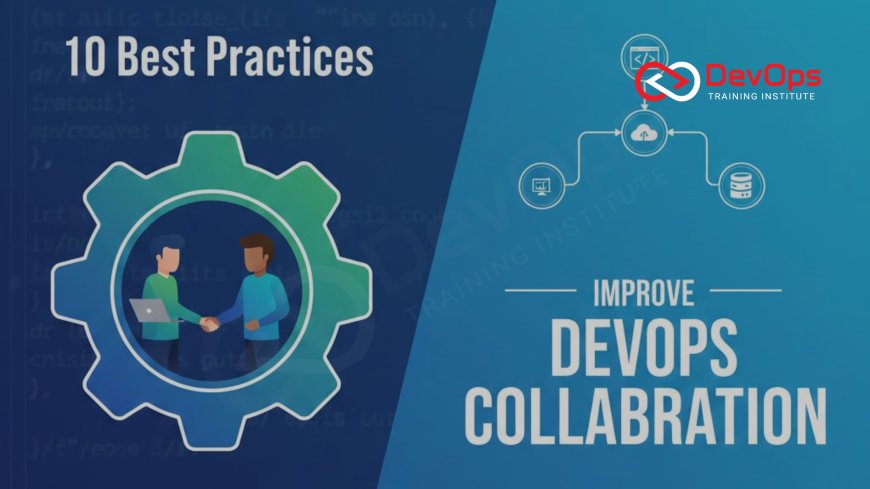
10 Best Practices to Improve DevOps Collaboration
Discover the 10 essential best practices to enhance DevOps collaboration in your team during 2025 and beyond. This comprehensive guide explores strategies like fostering a shared culture, implementing automation tools, encouraging cross-team communication, adopting continuous integration, prioritizing feedback loops, investing in training, using version control effectively, monitoring performance metrics, embracing agile methodologies, and celebrating successes together. With beginner-friendly explanations, real-world examples from leading companies, and practical tips, learn how these practices can reduce silos, boost efficiency, accelerate software delivery, and create a more cohesive work environment for developers and operations staff alike.
Introduction
DevOps is all about bringing development and operations teams together to create better software faster. However, true collaboration does not happen by accident; it requires intentional practices that build trust, communication, and shared goals. In 2025, as more organizations adopt cloud-native technologies and agile methods, effective DevOps collaboration has become a key differentiator for successful projects. For beginners, think of DevOps as a bridge between the people who build software and those who run it in production. By implementing the right practices, teams can reduce misunderstandings, speed up releases, and deliver higher-quality products that meet user needs more effectively.
This guide outlines 10 best practices to strengthen DevOps collaboration, explained in simple terms with actionable steps. Whether you are just starting your DevOps journey or looking to refine existing processes, these strategies can help foster a more unified team environment. We will cover everything from cultural shifts to tool recommendations, drawing on examples from real companies that have thrived through better collaboration. Remember, the goal is to create a space where everyone feels valued and empowered to contribute.
Foster a Shared Culture and Mindset
Building a shared culture is the foundation of successful DevOps collaboration. This involves aligning development and operations teams around common objectives, such as delivering reliable software quickly. Start by organizing joint workshops or team-building activities where members from both sides can share their perspectives and challenges. Encourage empathy by having developers shadow operations staff during on-call duties, and vice versa. This practice helps break down silos and promotes understanding of each other's roles. In 2025, with remote work still prevalent, use virtual tools like video calls and shared digital whiteboards to maintain this cultural connection.
A strong culture also includes celebrating wins together, whether it's a successful deployment or resolving a major incident. Recognize contributions from all team members to build morale and reinforce collaborative behaviors. For beginners, remember that culture is not about fancy perks but about creating an environment where everyone feels responsible for the product's success. Regularly survey the team to gauge collaboration levels and adjust as needed.
Ultimately, a shared mindset leads to better decision-making and innovation, as diverse viewpoints come together to solve problems more creatively.
Implement Automation to Reduce Manual Work
Automation is a core element of DevOps that frees teams from repetitive tasks, allowing more time for collaboration. Begin by identifying manual processes like code deployments or testing, and use tools to automate them. For example, set up continuous integration pipelines that run tests automatically on every code commit. This reduces errors and gives teams confidence in their changes. Beginners can start with simple scripts for common tasks before moving to advanced platforms. In 2025, with AI-assisted tools becoming common, automation can even predict potential issues before they occur.
By automating workflows, teams can focus on higher-value activities like discussing improvements or planning new features. This shift encourages operations staff to contribute to code reviews and developers to participate in infrastructure decisions. Make sure to document automated processes clearly so everyone can understand and maintain them. Regular reviews of automation scripts ensure they evolve with the team's needs.
Overall, automation not only boosts efficiency but also builds trust, as reliable processes mean fewer surprises and more predictable outcomes for the entire team.
Encourage Open Communication Channels
Open communication is vital for DevOps success, as it ensures information flows freely between teams. Establish daily stand-up meetings where developers and operations staff share updates on ongoing work and potential roadblocks. Use collaboration tools like Slack or Microsoft Teams for real-time discussions, and create dedicated channels for specific projects or issues. For beginners, remember that communication is two-way; encourage questions and feedback from all sides to build a supportive environment. In 2025, with distributed teams, video calls can help maintain personal connections and reduce misunderstandings.
Regular retrospectives after deployments or incidents allow teams to discuss what went well and what could improve, fostering a culture of continuous learning. Document key decisions and share them widely to keep everyone informed. This practice helps prevent knowledge silos and promotes collective ownership of outcomes.
Effective communication leads to quicker problem resolution and stronger relationships, ultimately resulting in better software delivery and team satisfaction.
Adopt Continuous Integration and Delivery
Continuous integration involves merging code changes frequently and running automated tests to catch issues early. This practice reduces the risk of big, problematic merges and encourages developers to collaborate with operations on build processes. Beginners can start with basic setups using tools like Jenkins or GitHub Actions to automate integrations. In 2025, with faster release cycles expected, this approach ensures teams can deliver updates reliably and often.
Continuous delivery extends this by automating the path to production, allowing releases at any time. Operations teams can work closely with developers to define deployment strategies, ensuring smooth transitions. This collaboration minimizes downtime and improves overall quality.
By embracing these practices, teams build confidence in their processes and focus more on innovation rather than firefighting issues.
| Practice | Key Benefit | Implementation Tip |
|---|---|---|
| Shared Culture | Builds trust | Joint workshops |
| Automation | Frees time | Start simple |
| Communication | Reduces misunderstandings | Daily stand-ups |
Prioritize Regular Feedback Loops
Feedback loops are essential in DevOps to ensure continuous improvement. Set up mechanisms like post-deployment reviews where teams discuss what worked and what did not. Use tools for real-time monitoring to gather data on performance and user experience. Beginners can begin with simple surveys or informal discussions to collect input from all members. In 2025, with data-driven decisions on the rise, feedback helps identify areas for enhancement quickly.
Incorporate feedback into planning cycles to address issues promptly and celebrate improvements. This practice builds a culture of openness and learning, where mistakes are seen as opportunities rather than failures.
Invest in Training and Skill Development
Training is crucial to bridge knowledge gaps between development and operations. Offer workshops on tools like Kubernetes or CI/CD pipelines to ensure everyone has a basic understanding. Encourage certifications and online courses to build expertise. For beginners, this means starting with foundational topics before advancing to specialized skills. In 2025, with technology evolving rapidly, ongoing learning keeps teams adaptable and collaborative.
Pair programming or mentoring programs can facilitate knowledge sharing, helping less experienced members learn from veterans. This investment pays off in better collaboration and higher-quality work.
Use Version Control for Everything
Version control systems like Git should be used not just for code but for infrastructure configurations and documentation. This practice ensures changes are tracked and reversible, promoting collaboration through pull requests and reviews. Beginners can learn Git basics to contribute effectively. In 2025, with IaC becoming standard, version control is key to maintaining consistency.
Teams can review changes together, catching issues early and sharing knowledge. This approach fosters accountability and collective ownership.
Monitor Performance Metrics Collectively
Shared monitoring tools allow teams to track key metrics like deployment frequency and error rates. Set up dashboards visible to all, encouraging joint analysis of data. Beginners can start with simple metrics before adding advanced ones. In 2025, with AI analytics, monitoring helps predict and prevent issues collaboratively.
Regular metric reviews promote transparency and aligned goals, improving overall performance.
Embrace Agile Methodologies
Agile principles like sprints and retrospectives enhance DevOps collaboration by promoting iterative work and frequent feedback. Teams can plan together, adapting to changes quickly. Beginners can adopt basic Agile practices to see immediate benefits. In 2025, combining Agile with DevOps is standard for high-performing teams.
This approach encourages regular interaction and continuous improvement, strengthening team bonds.
Conclusion
Improving DevOps collaboration requires consistent effort across culture, processes, and tools. By implementing these 10 best practices, teams can break down silos, enhance efficiency, and deliver better software. Start small, measure progress, and adjust as needed. The result is a more innovative, resilient organization ready for 2025 challenges.
Frequently Asked Questions
What is DevOps collaboration?
Working together between development and operations teams.
Why foster shared culture?
It builds trust and understanding.
How does automation help?
Reduces manual tasks, frees time for collaboration.
What are feedback loops?
Mechanisms for continuous improvement.
Why invest in training?
Bridges knowledge gaps.
How does version control aid collaboration?
Tracks changes, enables reviews.
What metrics to monitor?
Deployment frequency, error rates.
Are Agile and DevOps related?
Yes, both promote iteration.
Can small teams adopt these?
Yes, scalable practices.
What if collaboration fails?
Assess and adjust strategies.
How to measure improvement?
Surveys and metrics.
Is training expensive?
Many free resources available.
Why open communication?
Reduces misunderstandings.
Can AI help?
Yes, in monitoring and automation.
Where to learn more?
DevOps Training Institute courses.
Teams often ask if DevOps can work without automation.
What's Your Reaction?
 Like
0
Like
0
 Dislike
0
Dislike
0
 Love
0
Love
0
 Funny
0
Funny
0
 Angry
0
Angry
0
 Sad
0
Sad
0
 Wow
0
Wow
0

![100+ Azure DevOps Interview Questions and Answers [Updated 2025]](https://www.devopstraininginstitute.com/blog/uploads/images/202509/image_140x98_68c40aa9a3834.jpg)






![Future Scope of DevOps Careers in Pune [Updated 2025]](https://www.devopstraininginstitute.com/blog/uploads/images/202510/image_140x98_68e3a84652312.jpg)


