






















![Kong Interview Preparation Guide [2025]](https://www.devopstraininginstitute.com/blog/uploads/images/202509/image_430x256_68dbb95326997.jpg)








10 Best Practices to Manage Secrets in DevOps
Learn the essential best practices for managing secrets within your DevOps pipelines to ensure maximum security and compliance for your organization. This detailed guide covers everything from avoiding hardcoded credentials to implementing robust secret rotation and centralized management systems. Discover how to protect sensitive data like API keys, passwords, and certificates while maintaining a fast and efficient software development lifecycle. By adopting these industry standard strategies, you can significantly reduce the risk of credential leakage and protect your infrastructure from unauthorized access in today's increasingly complex and automated cloud environments.
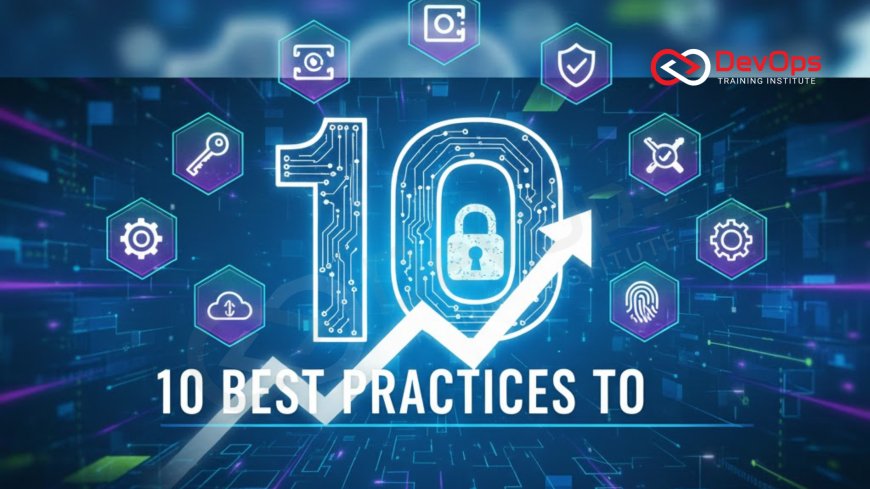
Introduction to Secrets Management in Modern DevOps
In the fast paced world of modern software development, secrets are the digital keys that unlock access to critical resources like databases, third party services, and cloud infrastructure. As teams move toward highly automated DevOps workflows, the number of these secrets has grown exponentially, creating a significant security challenge. Managing these sensitive pieces of information effectively is no longer just a technical requirement but a fundamental pillar of organizational security. Without proper oversight, a single leaked credential can lead to catastrophic data breaches and loss of customer trust.
The transition to automated pipelines means that secrets must be available to scripts, build tools, and deployment engines without being exposed to human eyes or stored in insecure locations. This blog post explores the best practices that help teams strike a balance between security and speed. By treating secrets as a first class citizen in your architecture, you can build a more resilient and compliant delivery process. Understanding how to handle these credentials correctly is the first step for any team looking to mature their security posture while continuing to innovate at scale.
Avoiding the Trap of Hardcoded Credentials
One of the most common and dangerous mistakes in software development is hardcoding secrets directly into the application source code. While it might seem convenient during the initial stages of a project, this practice exposes sensitive information to anyone with access to the version control system. Even if a repository is private, internal threats or accidental exposure can lead to a leak. Once a secret is committed to history, it is incredibly difficult to remove entirely, as it remains visible in previous commits even after being deleted from the current version.
To prevent this, teams must adopt a culture of never committing credentials to Git or any other source control tool. Developers should use local configuration files that are explicitly ignored by version control using tools like gitignore. Automated secret scanning tools should be integrated into the development workflow to catch any accidental commits before they reach the main branch. This proactive approach ensures that the codebase remains clean and that the organization is protected from one of the most frequent causes of security incidents in the industry.
Centralizing Secrets with Dedicated Vaults
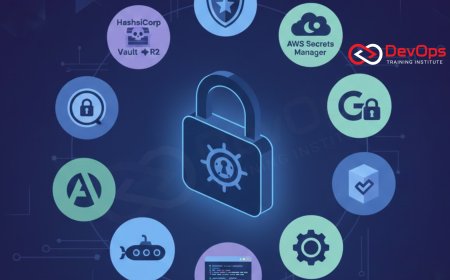
Instead of scattering secrets across various configuration files and environment variables, modern DevOps teams should use a centralized secrets management service or vault. Tools like HashiCorp Vault, AWS Secrets Manager, or Azure Key Vault provide a secure, encrypted storage location for all sensitive data. Centralization allows for better auditing, as security teams can see exactly who accessed a secret and when. It also simplifies the process of updating or rotating credentials since the change only needs to be made in one central location rather than across dozens of different applications.
Using a vault also enables the principle of dynamic secrets, where credentials are generated on the fly for a specific task and then automatically revoked when the task is finished. This significantly reduces the window of opportunity for an attacker to use a stolen credential. By integrating these vaults directly into your deployment pipelines, you ensure that applications fetch what they need at runtime. This level of automation is a key component of cloud architecture patterns that prioritize security and scalability in distributed environments.
Implementing the Principle of Least Privilege
The principle of least privilege dictates that any user, program, or process should have only the bare minimum access rights necessary to perform its function. In the context of secrets management, this means that a specific microservice should only be able to access the secrets it requires for its own operation and nothing more. If a service is compromised, the damage is contained to only the resources that the service had access to, preventing lateral movement across the network. This granular control is essential for maintaining a secure and robust infrastructure.
DevOps engineers can enforce this by using role based access control and identity management systems. By assigning specific identities to applications and services, you can define precise policies that govern secret access. This is particularly important when managing cluster states in containerized environments where many different services are running on the same physical hardware. Ensuring that each service is isolated and restricted helps build a defense in depth strategy that protects the entire ecosystem from complex multi stage attacks that target shared resources.
Comparison of Secrets Management Approaches
| Method | Security Level | Ease of Use | Best For |
|---|---|---|---|
| Hardcoding | Very Low | High | Never recommended |
| Environment Variables | Medium | High | Small projects |
| Dedicated Vaults | Very High | Medium | Enterprise DevOps |
| K8s Secrets | Medium | Medium | Containerized apps |
| Cloud KMS | High | Medium | Cloud native apps |
Enforcing Regular Secret Rotation
No matter how secure your storage is, secrets should never be permanent. Secret rotation is the practice of periodically changing passwords, keys, and certificates to limit the amount of time an unauthorized person can use a compromised credential. Manual rotation is often error prone and leads to downtime if a service isn't updated correctly. Therefore, automating this process is a critical best practice for modern teams. Automated rotation ensures that even if a secret is leaked, its usefulness to an attacker is strictly limited by the rotation schedule.
When implementing rotation, it is important to ensure that the application can handle the change without interruption. This often involves a short period where both the old and new secrets are valid, allowing for a smooth transition. Integrating rotation into your continuous verification loops helps confirm that applications have successfully picked up the new credentials after a rotation event. This level of operational maturity reduces the risk of long term credential exposure and keeps your security posture fresh and proactive against evolving threats.
Auditing and Monitoring Secret Access
Security is not a set it and forget it task; it requires constant vigilance. Auditing secret access is vital for identifying suspicious behavior and ensuring compliance with industry regulations. Every time a secret is accessed, modified, or deleted, a log entry should be created that includes the identity of the actor and the timestamp of the event. These logs should be streamed to a central security information and event management system for real time analysis. This provides a clear trail that can be used during incident investigations to determine the scope of a potential breach.
Monitoring should also alert the team to any unusual patterns, such as a service requesting an unusually high number of secrets or access attempts from an unexpected geographic location. Using ChatOps techniques can help teams receive these alerts directly in their collaboration channels, allowing for immediate response. By combining robust auditing with proactive monitoring, you create a transparent environment where security issues can be identified and mitigated before they escalate into major problems. It is about maintaining high visibility across your entire automated pipeline.
Best Practices for Secure Delivery Pipelines
- Use Managed Identities: Instead of using long lived service account keys, use cloud native managed identities that are automatically managed by the platform.
- Encrypt Everything: Ensure that secrets are encrypted both at rest in the storage vault and in transit when being delivered to the application.
- Short Lived Credentials: Whenever possible, use temporary credentials that expire after a few minutes or hours rather than permanent API keys.
- Separate Environments: Use different secrets for development, staging, and production environments to prevent cross environment contamination.
- Automate Secret Scanning: Run scans on every pull request to ensure that no developer accidentally includes a secret in the code or documentation.
- Limit Human Access: Design your systems so that humans rarely need to view or handle raw secrets, relying on automation for injection and rotation.
- Use Admission Controllers: Implement admission controllers in Kubernetes to validate that pods are not using insecure methods to store sensitive information.
By following these specific steps, you can build a highly secure delivery pipeline that protects your most sensitive assets. It is important to remember that security should be integrated at every stage of the lifecycle, from the first line of code to the final deployment. This holistic approach is the foundation of a successful DevSecOps strategy. As you look into emerging trends in the industry, you will see that automation and policy as code are becoming the standard ways to enforce these best practices at scale. This ensures that your security measures grow and adapt alongside your application architecture.
Conclusion on Secrets Management Mastery
In conclusion, managing secrets in a DevOps environment is a complex but essential task that requires a combination of the right tools and a disciplined culture. By avoiding hardcoded credentials, centralizing storage in vaults, and enforcing the principle of least privilege, you can significantly reduce your organization's attack surface. Automated rotation and robust auditing further strengthen your defenses, ensuring that your secrets remain secure even as your infrastructure scales. These best practices are not just about security; they are about building a reliable and trustworthy platform for your customers.
As technology continues to evolve, staying informed about AI augmented devops will help you find new ways to automate security tasks even further. Whether you are using GitOps to manage your cluster or refining your release strategies, keeping secrets security at the forefront is paramount. The journey toward perfect security is continuous, but by following the ten practices outlined in this guide, you are well on your way to mastering secrets management. Protecting your digital keys is the most effective way to safeguard your organization's future in the cloud era.
Frequently Asked Questions
What is the most common way secrets are leaked in DevOps?
The most common way is through hardcoding credentials directly into source code and then committing that code to a public or private repository.
Why is environment variable storage not considered fully secure?
Environment variables can often be logged by debugging tools or viewed by other processes on the same system, making them less secure than vaults.
How often should a team rotate their production secrets?
It depends on the risk profile, but many high security organizations rotate critical secrets every thirty to ninety days using automated tools and scripts.
What is a secret scanning tool and how does it work?
These tools scan code repositories for patterns that look like API keys or passwords, alerting developers before the sensitive information is committed permanently.
Can I use Kubernetes Secrets for sensitive production data?
Yes, but you should ensure they are encrypted at rest and that access is strictly controlled using Kubernetes role based access control policies.
What is the benefit of using dynamic secrets?
Dynamic secrets are created on demand and expire quickly, which minimizes the damage if a specific set of credentials is ever stolen or leaked.
How does the principle of least privilege apply to bots?
Automation bots should only have access to the specific secrets and resources required for their current task, rather than having broad administrative permissions.
What should I do if a secret is accidentally leaked?
You should immediately revoke the compromised secret, rotate it to a new value, and then investigate the logs to see if it was used.
Is manual secret rotation still a viable option for small teams?
While possible, it is highly discouraged because it is prone to human error and often gets forgotten, leading to long term security risks.
What role does encryption play in secrets management?
Encryption ensures that even if an attacker gains access to the storage medium, they cannot read the actual secret values without the decryption key.
How can I audit who has accessed a specific secret?
Most dedicated secrets management vaults provide detailed audit logs that record every access request, including the identity, time, and action taken by the user.
Does using a vault slow down the deployment process?
When integrated correctly, the impact is negligible, and the security benefits far outweigh the small amount of time taken to fetch secrets at runtime.
What are managed identities in cloud environments?
Managed identities are service identities provided by cloud platforms that eliminate the need for developers to manage credentials for authenticating to cloud services.
Should I store my database passwords in my Git repository?
No, you should never store database passwords in Git. Instead, store them in a secure vault and inject them into the application at runtime.
How do I convince my team to adopt these practices?
Focus on the reduction of risk, the automation of tedious tasks, and the improved compliance posture that comes with professional secrets management strategies.
What's Your Reaction?
 Like
0
Like
0
 Dislike
0
Dislike
0
 Love
0
Love
0
 Funny
0
Funny
0
 Angry
0
Angry
0
 Sad
0
Sad
0
 Wow
0
Wow
0




![100+ Azure DevOps Interview Questions and Answers [Updated 2025]](https://www.devopstraininginstitute.com/blog/uploads/images/202509/image_140x98_68c40aa9a3834.jpg)






![Future Scope of DevOps Careers in Pune [Updated 2025]](https://www.devopstraininginstitute.com/blog/uploads/images/202510/image_140x98_68e3a84652312.jpg)