


![Kong Interview Preparation Guide [2025]](https://www.devopstraininginstitute.com/blog/uploads/images/202509/image_430x256_68dbb95326997.jpg)



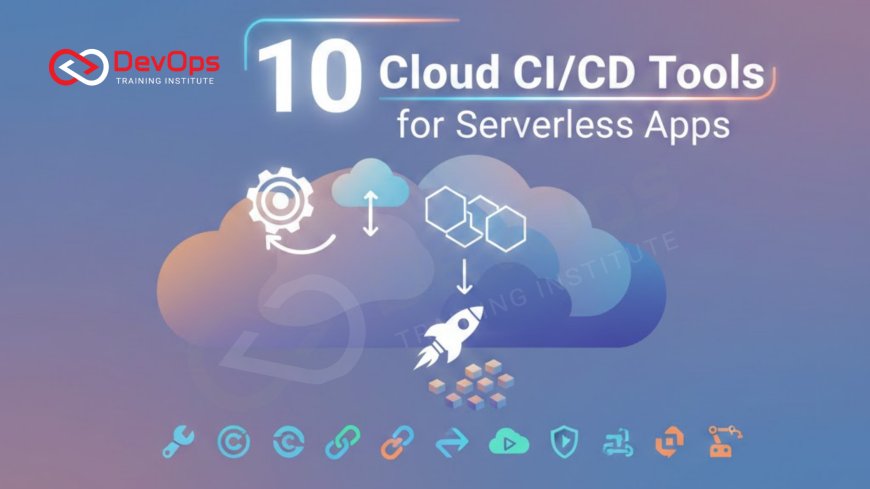
10 Cloud CI/CD Tools for Serverless Apps
Unlock the full potential of serverless architecture by discovering the ten most effective cloud CI/CD tools designed for rapid deployment and automated scaling in twenty twenty six. This guide explores essential platforms like AWS CodePipeline, GitHub Actions, and Serverless Framework, providing beginner friendly insights into how they streamline the development of Lambda functions, Cloud Run instances, and more. Learn how to eliminate manual overhead, improve deployment frequency, and maintain high system reliability across multi cloud environments. Whether you are building microservices or event driven applications, mastering these continuous integration and delivery tools is the key to achieving modern DevOps excellence and staying ahead in the competitive digital landscape today.
Introduction to Serverless CI/CD Workflows
The transition to serverless computing has fundamentally changed the way developers build and deploy software. In a traditional environment, you might spend hours configuring virtual machines or managing container clusters. With serverless, the focus shifts entirely to the code, while the cloud provider handles the underlying infrastructure. This shift requires a specialized approach to continuous integration and continuous delivery, known as CI/CD. The tools used in this space must be able to package functions, manage cloud permissions, and coordinate complex event triggers without requiring constant manual intervention from the engineering team.
Modern serverless applications often consist of hundreds of independent functions that respond to various events like HTTP requests, database changes, or file uploads. Managing these at scale is impossible without a robust automated pipeline. A high quality CI/CD tool for serverless apps ensures that every code change is automatically tested, packaged, and deployed to the correct environment. This automation reduces the risk of human error and allows teams to release updates multiple times a day with confidence. As we look toward the technical needs of twenty twenty six, selecting the right automation partner is the most critical decision for any organization aiming for operational speed and architectural agility.
The Power of GitHub Actions for Serverless
GitHub Actions has quickly become one of the most popular choices for serverless deployments due to its deep integration with the source code repository. It allows developers to define their entire build and deployment logic using simple YAML files stored directly in their project. This "everything as code" approach ensures that your deployment process is versioned alongside your application logic. For serverless apps, GitHub Actions offers thousands of pre built community scripts that can handle common tasks like deploying to AWS Lambda, Google Cloud Functions, or Azure Functions with just a few lines of configuration.
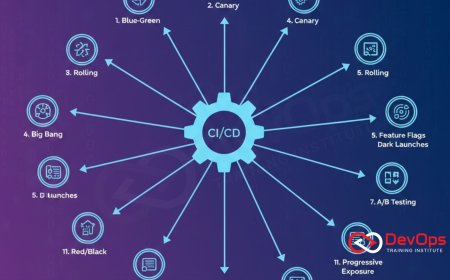
The platform is particularly well suited for event driven architectures where speed and simplicity are paramount. You can trigger different workflows based on various GitHub events, such as opening a pull request or pushing to a specific branch. This flexibility allows teams to implement sophisticated release strategies like blue green deployments or canary releases with ease. By utilizing GitHub Actions, developers can stay within the environment they already know, reducing context switching and improving overall productivity. It is an ideal tool for teams that want to maintain a lean and efficient development cycle without managing extra servers.
AWS CodePipeline and the Serverless Application Model
For organizations that are heavily invested in the Amazon Web Services ecosystem, AWS CodePipeline offers a seamless and highly integrated CI/CD experience. It is designed to work natively with the AWS Serverless Application Model, which provides a shorthand syntax for defining serverless resources like functions, APIs, and databases. When a developer pushes code, CodePipeline automatically triggers a series of steps that build the artifacts, run unit tests, and deploy the updated stack using CloudFormation. This tight integration ensures that all AWS security and compliance standards are met automatically during every single deployment cycle.
One of the key advantages of using CodePipeline is its ability to handle complex, multi stage deployments across different AWS accounts and regions. This is essential for large enterprises that need to maintain separate environments for development, staging, and production. The tool also provides deep visibility into the status of each stage, making it easy to identify where a failure occurred. By integrating continuous verification into these pipelines, teams can ensure that their serverless apps are not only deployed correctly but are also performing as expected in the live environment. It is a robust solution for mission critical cloud native applications.
GitLab CI/CD for All-in-One Operations
GitLab offers a unique value proposition by providing a complete DevOps platform in a single application. Its built in CI/CD capabilities are incredibly powerful for serverless development, offering native support for container registries and secret management. GitLab uses a runner based architecture, which means you can execute your build jobs on almost any infrastructure, including serverless environments. This flexibility is perfect for teams that have specific security or performance requirements for their build process. The platform also emphasizes security by integrating automated vulnerability scanning directly into the pipeline, helping teams catch issues before they reach production.
For serverless developers, GitLab provides excellent support for Auto DevOps, a feature that can automatically configure your CI/CD pipeline based on best practices for your specific programming language. This can significantly reduce the initial setup time for new projects. The platform also makes it easy to manage cluster states if you are using serverless technologies that run on top of Kubernetes, such as Knative. By centralizing everything from issue tracking to deployment in one place, GitLab helps reduce the tool sprawl that often plagues modern engineering teams. It is a comprehensive choice for organizations looking to standardize their entire software lifecycle on a single, integrated platform.
Top CI/CD Tools for Serverless Comparison
| Tool Name | Primary Cloud Support | Key Serverless Feature | Ease of Setup |
|---|---|---|---|
| GitHub Actions | Multi-cloud | Native Repository Actions | High |
| AWS CodePipeline | AWS | Native SAM Integration | Medium |
| Serverless Framework | Multi-cloud | Plugin Architecture | High |
| CircleCI | Multi-cloud | Orbs for Serverless | Medium |
| Google Cloud Build | Google Cloud | Serverless execution of builds | High |
Multi-Cloud Flexibility with Serverless Framework
The Serverless Framework is not just a CI/CD tool but a complete ecosystem for building and deploying serverless applications across multiple cloud providers. It uses a cloud agnostic configuration format that allows you to deploy the same application to AWS, Azure, or Google Cloud with minimal changes. The framework includes a dedicated dashboard that provides real time monitoring, logging, and deployment history for all your services. This makes it an excellent choice for teams that want to avoid vendor lock in and maintain the flexibility to move their workloads between different cloud environments as their needs change.
One of the standout features of the Serverless Framework is its extensive plugin system. These plugins can extend the functionality of the core framework to support almost any specialized technical requirement, from custom domain management to secret scanning tools integration. This modularity allows teams to build highly customized pipelines that fit their specific organizational processes perfectly. By using the Serverless Framework, you are adopting a standardized way of working that is recognized across the entire industry. It effectively bridges the gap between different architecture patterns, providing a unified interface for all your serverless operational needs.
Speed and Efficiency with CircleCI Orbs
CircleCI is well known for its speed and performance in the cloud, and it has made significant investments in supporting serverless workflows through its "Orbs" system. Orbs are reusable snippets of configuration that allow you to quickly add complex steps to your pipeline without writing them from scratch. There are specific orbs for AWS Lambda, Serverless Framework, and many other popular technologies. This allows teams to get their CI/CD pipelines up and running in minutes rather than hours. CircleCI also offers powerful parallelization features that can drastically reduce the time it takes to run extensive test suites for large serverless projects.
The platform provides deep insights into your pipeline's performance, helping you identify slow tests or inefficient build steps. This data driven approach to CI/CD is essential for maintaining high velocity in modern engineering teams. Because CircleCI is a managed service, you don't have to worry about maintaining build servers or scaling your infrastructure; it handles everything for you automatically. This allows your DevOps engineers to focus on higher level tasks like driving cultural change and improving overall system architecture. It is a premium choice for fast moving startups and established enterprises alike that value developer time above all else.
Best Practices for Serverless CI/CD Success
- Use Infrastructure as Code: Always define your functions and their triggers using code to ensure your environments are reproducible and versioned.
- Automate Testing: Implement unit tests for individual functions and integration tests for the entire event flow to catch bugs early in the cycle.
- Least Privilege IAM: Ensure that your CI/CD tool has only the minimum permissions necessary to deploy your specific serverless resources.
- Monitor Cold Starts: Use your CI/CD pipelines to run performance benchmarks and identify if new code changes are significantly impacting function startup times.
- Secure Your Secrets: Use a managed secret manager and integrate credential leakage prevention to keep your API keys and database passwords safe.
- Enable Rollbacks: Configure your tool to automatically roll back to the previous stable version if an automated smoke test fails after a new deployment.
- Enforce Policies: Use admission controllers or equivalent cloud policies to ensure all serverless resources meet your organization's security standards.
Following these best practices will help you avoid the most common pitfalls associated with serverless development. It is also important to remember that serverless environments are highly dynamic, so your monitoring and alerting systems must be equally agile. By choosing tools that support incident handling via chat or automated triggers, you can respond to production issues faster. Always keep an eye on AI augmented devops trends as they will likely offer even more advanced ways to optimize your serverless pipelines in the coming months. Staying proactive is the only way to maintain a competitive edge.
Conclusion: Choosing Your Serverless Pipeline
In conclusion, the right CI/CD tool can make or break the success of your serverless application. Whether you choose a cloud native option like AWS CodePipeline, a repository integrated tool like GitHub Actions, or a multi cloud framework, the goal is always the same: to automate the path from code to production. These ten tools represent the best of what the industry has to offer in twenty twenty six, providing the scalability, security, and speed required for modern software delivery. By embracing these technologies, you are not just automating tasks; you are creating a more resilient and flexible organization that can react to user needs in real time.
As you evaluate these options, consider your team's existing technical stack and long term cloud strategy. Don't be afraid to experiment with different tools to find the one that best fits your unique workflow. Knowing when to use containerd versus purely serverless functions will also help you optimize your resource usage across different projects. The future of software is undeniably serverless, and by mastering these CI/CD tools today, you are positioning your team for success in an increasingly automated and cloud centric world. Start building your automated future now and watch your engineering productivity soar to new heights.
Frequently Asked Questions
What is the benefit of using a serverless CI/CD tool?
The main benefit is automation, which allows teams to deploy code faster and more reliably without managing the underlying build servers or infrastructure.
Can I use GitHub Actions to deploy to AWS Lambda?
Yes, GitHub Actions has many built in scripts and community actions that make deploying to AWS Lambda very simple and straightforward for developers.
Is the Serverless Framework only for AWS?
No, the Serverless Framework is cloud agnostic and supports several major providers including AWS, Azure, Google Cloud, and even specialized platforms like Knative.
How does AWS CodePipeline handle serverless deployments?
It integrates natively with AWS SAM to package and deploy serverless resources using CloudFormation, ensuring a smooth and highly secure transition to production.
What role do orbs play in CircleCI for serverless?
Orbs are reusable configuration packages that simplify the process of setting up complex serverless deployment steps in your CircleCI pipeline workflows quickly.
Do I need to manage servers for Google Cloud Build?
No, Google Cloud Build is a fully serverless CI/CD platform that scales automatically to handle your build jobs without any infrastructure management required.
Can GitLab CI/CD help with serverless security?
Yes, GitLab integrates security scanning directly into the pipeline, helping to catch vulnerabilities in your serverless code before it is ever deployed live.
What is Infrastructure as Code in a serverless context?
It means using code to define your serverless functions, triggers, and permissions, ensuring your entire environment is reproducible and easily version controlled.
How can I prevent credential leakage in my pipelines?
You should use managed secret stores and automated scanning tools to ensure that sensitive data is never accidentally committed to your repository code.
Is Jenkins still a good choice for serverless CI/CD?
While powerful, Jenkins requires manual server management, making it less "serverless" than modern cloud native alternatives, though it is still highly customizable.
What is the AWS Serverless Application Model (SAM)?
SAM is an open source framework that provides a simplified way to define and manage serverless resources on the Amazon Web Services cloud platform.
How do I handle rollbacks in a serverless environment?
Most modern CI/CD tools allow you to automatically revert to a previous version if a new deployment fails an automated health check.
Can I build my own custom CI/CD pipeline for serverless?
Yes, most platforms provide flexible APIs and YAML based configuration that allow you to design a pipeline tailored to your team's specific requirements.
What is a multi-cloud serverless strategy?
It is an architectural approach where an application is designed to run across multiple cloud providers to avoid vendor lock in and improve resilience.
Why is automated testing important for serverless functions?
Because serverless apps are highly distributed, automated testing ensures that all the small, independent pieces work together correctly before they are released.
What's Your Reaction?
 Like
0
Like
0
 Dislike
0
Dislike
0
 Love
0
Love
0
 Funny
0
Funny
0
 Angry
0
Angry
0
 Sad
0
Sad
0
 Wow
0
Wow
0

![100+ Azure DevOps Interview Questions and Answers [Updated 2025]](https://www.devopstraininginstitute.com/blog/uploads/images/202509/image_140x98_68c40aa9a3834.jpg)





![Future Scope of DevOps Careers in Pune [Updated 2025]](https://www.devopstraininginstitute.com/blog/uploads/images/202510/image_140x98_68e3a84652312.jpg)