










![Kong Interview Preparation Guide [2025]](https://www.devopstraininginstitute.com/blog/uploads/images/202509/image_430x256_68dbb95326997.jpg)






10 DevOps Use Cases That Save Millions in Costs
Discover how modern enterprises are leveraging strategic DevOps practices to achieve massive financial savings and operational efficiency. This detailed guide explores ten high-impact use cases, ranging from automated infrastructure provisioning and continuous integration to advanced security scanning and cloud resource optimization. Learn how your organization can reduce overhead, eliminate manual errors, and accelerate market delivery by adopting these industry-proven methodologies that bridge the gap between development and operations teams globally.

Introduction to DevOps Financial Impact
In the modern digital landscape, the efficiency of software delivery directly correlates with the financial health of an enterprise. Organizations that fail to modernize their deployment pipelines often find themselves burdened by escalating operational costs and slow response times to market changes. DevOps emerges as a critical methodology that aligns software development and IT operations to create a seamless, automated workflow that minimizes waste and maximizes value at every stage of the lifecycle.
By implementing these advanced practices, companies can transition from fragile, manual processes to resilient, automated systems. This shift is not merely a technical upgrade but a strategic move that saves millions by reducing the time spent on repetitive tasks and preventing costly service outages. When teams embrace automation, they unlock the potential for rapid innovation while maintaining a strict grip on expenditure through better resource management and improved visibility into the entire delivery pipeline.
Automated Infrastructure Provisioning
Manual server configuration and environment setup are notorious for being time consuming and prone to human error. When engineers have to manually build environments, it leads to inconsistencies that cause production failures and significant delays in project timelines. Automated infrastructure allows teams to define their hardware and software needs through code, ensuring that every environment is identical and can be spun up or down within minutes rather than days.
The financial benefits of this approach are substantial, as it eliminates the need for large teams to perform routine maintenance and setup. By using specialized tools to manage cloud architecture, businesses only pay for the resources they actually use, avoiding the common pitfall of over provisioning hardware. This agility allows the organization to scale resources in real time based on user demand, which significantly lowers the total cost of ownership for modern IT infrastructure.
Continuous Integration and Delivery Pipelines
Traditional software release cycles often involve long periods of integration where multiple developers try to merge their code simultaneously, leading to complex conflicts and bugs. Continuous integration solves this by requiring developers to merge their changes into a central repository frequently. Each merge is then verified by an automated build and test process, which identifies issues immediately before they can escalate into expensive problems that require manual intervention from senior engineers.
Furthermore, continuous delivery ensures that the code is always in a deployable state, allowing the business to release new features whenever they are ready. This methodology supports various release strategies that minimize the risk of downtime during updates. By automating the path from a developer’s laptop to the production server, companies drastically reduce the labor costs associated with manual deployments and improve their competitive edge through faster time to market.
Cloud Resource Optimization and FinOps
Many organizations moving to the cloud find their monthly bills spiraling out of control due to orphaned resources and inefficient usage patterns. DevOps practices introduce the concept of FinOps, where financial accountability is shared across the engineering organization. By implementing automated monitoring and auto scaling, systems can automatically shut down non essential development servers during weekends or periods of low traffic, saving thousands of dollars every single month.
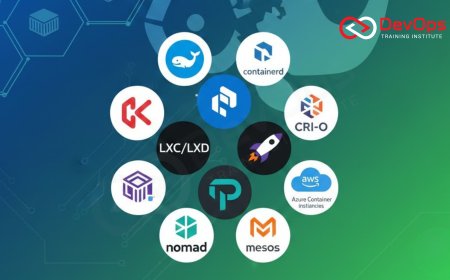
Analyzing usage data allows teams to identify underutilized instances and right size them to match the actual workload requirements. This proactive management of cloud spending ensures that the budget is allocated toward driving growth rather than being wasted on idle virtual machines. When automation handles the scaling of the containerd environment or virtual clusters, the business gains a predictable and optimized cost structure that scales gracefully with the user base.
Cost Saving Comparison of DevOps Practices
| DevOps Use Case | Primary Cost Driver | Financial Impact |
|---|---|---|
| Automated Testing | Manual QA labor and bug fixing | Reduced rework and early bug detection |
| Self Service Portals | Internal support ticket wait times | Increased developer productivity |
| Containerization | Inconsistent server environments | Lower hardware and licensing costs |
| Security Automation | Data breaches and compliance fines | Avoidance of legal and recovery fees |
Implementing Shift Left Security
Security failures are perhaps the most expensive risks a business can face, often resulting in legal fines and devastating reputational damage. The DevOps philosophy of shifting security to the left means integrating security checks early in the development process rather than treating it as a final step. By using secret scanning tools during the coding phase, developers can prevent sensitive credentials from ever being leaked into public or private repositories.
This early detection significantly reduces the cost of remediation, as fixing a vulnerability during development is much cheaper than patching a live production system under the pressure of an active threat. Automation also ensures that every container and library used in the application is scanned for known vulnerabilities against global databases. This continuous vigilance builds a secure foundation that protects the company’s financial assets and user data without slowing down the pace of software development or delivery.
Reliability Engineering and Incident Management
System downtime can cost large enterprises thousands of dollars every minute in lost revenue and productivity. DevOps practices like Site Reliability Engineering focus on creating highly available systems that can automatically recover from failures. Implementing ChatOps allows teams to collaborate in real time using automated bots that provide instant diagnostic data, drastically reducing the Mean Time to Repair during a critical incident.
- Automated alerting systems that notify the right person at the right time to prevent alert fatigue.
- Self healing scripts that can restart failed services or clear disk space without human intervention.
- Post mortem analysis tools that help teams identify the root cause to prevent future occurrences.
- Real time dashboards that provide visibility into system health and performance metrics for all stakeholders.
By investing in these reliability measures, companies ensure that their digital storefronts and internal tools remain operational even when underlying infrastructure components fail. The savings generated from avoiding just one major outage can often pay for the entire DevOps transformation. Creating a culture of stability and fast recovery is a cornerstone of modern business success and long term financial sustainability in a competitive global market.
Operational Efficiency Through Cultural Change
Tools and technology are only half of the equation when it comes to saving money with DevOps. The human element is equally important, as the person who drives the transformation must foster a culture of collaboration and transparency. Breaking down the silos between departments reduces the friction that leads to wasted effort and miscommunication, allowing the organization to move as a single, cohesive unit toward its financial goals.
When developers, operators, and security professionals work together, they can identify inefficiencies that were previously hidden by organizational boundaries. This collaborative environment encourages experimentation and continuous improvement, where every team member is empowered to suggest ways to optimize workflows and reduce costs. The long term impact of this cultural shift is a more resilient and adaptable workforce that can quickly pivot to new technologies like toolchains that incorporate artificial intelligence to further enhance productivity.
Conclusion
In summary, the transition to a DevOps model is a powerful engine for financial growth and cost avoidance. By automating infrastructure, optimizing cloud resources, and integrating security early in the cycle, businesses can save millions while delivering higher quality products. The shift toward GitOps and other modern frameworks ensures that the infrastructure remains synchronized and stable, further reducing the overhead of manual cluster management. Embracing these ten use cases provides a roadmap for any organization looking to thrive in an era where speed and efficiency are the primary drivers of success.
Ultimately, the goal of DevOps is to create a sustainable ecosystem where technology serves the business rather than becoming a source of endless expense. As we look toward the future, the integration of automation and intelligent monitoring will continue to redefine how we measure the value of IT. Companies that master these practices today will be well positioned to lead their industries tomorrow, benefiting from a lean, agile, and highly profitable operational model that stands the test of time and technological change.
Frequently Asked Questions
How does DevOps reduce the cost of software development?
DevOps reduces costs by automating repetitive tasks, catching bugs earlier through continuous integration, and eliminating the manual effort required for server management.
What is the financial impact of automated testing?
Automated testing saves money by preventing expensive defects from reaching production and reducing the need for large, manual quality assurance teams and processes.
How can infrastructure as code lower IT expenses?
Infrastructure as code allows for rapid, consistent environment setup, which prevents costly configuration errors and ensures that cloud resources are used efficiently.
Does DevOps help in reducing cloud billing amounts?
Yes, through auto scaling and FinOps practices, DevOps ensures that organizations only pay for the specific resources they need during active usage periods.
What are the savings associated with faster time to market?
Faster delivery allows businesses to capture market share earlier and start generating revenue from new features much sooner than traditional development methods.
How does shift left security save money for enterprises?
Identifying and fixing security vulnerabilities during the coding phase is significantly cheaper than addressing a security breach or patching a live system.
Can DevOps improve the productivity of existing staff?
DevOps removes bottlenecks and manual handoffs, allowing engineers to focus on high value innovation instead of troubleshooting mundane deployment and configuration issues.
What is the role of automation in incident management?
Automation provides instant visibility and self healing capabilities, which reduces the time systems are down and limits the revenue lost during outages.
Is the initial investment in DevOps worth the long term savings?
Most organizations find that the reduction in operational waste and improved system reliability provide a high return on investment within the first year.
How does containerization contribute to cost efficiency?
Containers allow for higher server density and portability, which reduces the number of physical or virtual servers required to run the same workload.
What is ChatOps and how does it save labor costs?
ChatOps integrates operational tools into chat platforms, allowing teams to resolve issues faster through shared visibility and automated command execution in real time.
Does DevOps reduce the frequency of failed deployments?
Yes, by using standardized and automated deployment pipelines, the human errors that typically cause deployment failures are almost entirely eliminated from the process.
How do feedback loops contribute to financial efficiency?
Rapid feedback loops allow teams to stop working on unsuccessful features early, preventing further investment in ideas that do not provide business value.
Can small businesses benefit from these million dollar savings?
While the scale is different, the percentage of savings and the improvement in operational agility are just as impactful for smaller growing companies.
What is the connection between DevOps and technical debt?
DevOps encourages continuous refactoring and automated cleanup, which prevents the accumulation of technical debt that would otherwise be very expensive to fix.
What's Your Reaction?
 Like
0
Like
0
 Dislike
0
Dislike
0
 Love
0
Love
0
 Funny
0
Funny
0
 Angry
0
Angry
0
 Sad
0
Sad
0
 Wow
0
Wow
0





![100+ Azure DevOps Interview Questions and Answers [Updated 2025]](https://www.devopstraininginstitute.com/blog/uploads/images/202509/image_140x98_68c40aa9a3834.jpg)






![Future Scope of DevOps Careers in Pune [Updated 2025]](https://www.devopstraininginstitute.com/blog/uploads/images/202510/image_140x98_68e3a84652312.jpg)