



















![Kong Interview Preparation Guide [2025]](https://www.devopstraininginstitute.com/blog/uploads/images/202509/image_430x256_68dbb95326997.jpg)







12 GitHub Secrets for Better Automation
Unlock the full potential of your development workflow with twelve essential GitHub secrets for better automation in twenty twenty six. This professional guide explores advanced techniques for managing sensitive data, securing CI/CD pipelines, and streamlining repository management through GitHub Actions. Learn how to protect your API keys, automate complex environment configurations, and implement robust security policies to safeguard your software supply chain. Whether you are a solo developer or part of an enterprise team, these strategic insights will help you leverage GitHub’s powerful features to build a more resilient and efficient technical foundation while maintaining peak security standards today.
Introduction to GitHub Automation and Secret Management
In the modern era of software engineering, GitHub has evolved from a simple hosting service into a powerful platform for complete lifecycle automation. At the heart of this transformation is the ability to securely handle sensitive information through GitHub Secrets. These encrypted variables allow your automated workflows to interact with external services, cloud providers, and databases without ever exposing private credentials in your source code. As we move into twenty twenty six, mastering the nuances of secret management has become a critical skill for any DevOps professional looking to build a secure and scalable delivery pipeline.
Effective automation requires a balance between accessibility and security. If secrets are managed poorly, they become a significant liability; if managed correctly, they enable a frictionless path from code commit to production. This guide will explore twelve strategic "secrets" or techniques that go beyond basic key storage. We will delve into how to structure your secrets for multi environment deployments, how to automate their rotation, and how to use advanced identity protocols to eliminate long lived credentials entirely. Understanding these strategies is essential for maintaining the continuous synchronization and integrity of your digital assets in an increasingly hostile threat landscape.
Dynamic Environment Secrets for Multi-Stage Pipelines
A common pitfall in automation is using a single set of secrets for all stages of development. To achieve better isolation and security, you should leverage GitHub Environment Secrets. This feature allows you to define specific secrets for different environments such as development, staging, and production. By doing so, you ensure that a developer working on a feature branch cannot accidentally trigger a deployment using production credentials. This structural separation is a cornerstone of modern cultural change where security is integrated into the workflow rather than being an afterthought.
Environment secrets also allow you to implement protection rules, such as requiring manual approval before a workflow can access production keys. This adds a critical human "sanity check" to your automated processes. When combined with continuous verification, environment secrets provide a robust framework for managing complex architecture patterns across diverse cloud providers. It ensures that your automation is not only fast but also governed by strict access controls that protect your most sensitive business data throughout the entire software delivery lifecycle.
Eliminating Long-Lived Keys with OIDC
One of the most powerful techniques for better automation is the use of OpenID Connect (OIDC) to allow GitHub Actions to communicate with cloud providers like AWS, Azure, or GCP without using static secrets. Traditionally, you would store a long lived access key in GitHub Secrets, which poses a risk if that key is ever leaked. With OIDC, GitHub Actions requests a short lived, single use token from the cloud provider for each specific job. This "secretless" approach significantly reduces the attack surface of your automation and is a major trend in twenty twenty six DevSecOps practices.
Implementing OIDC requires configuring a trust relationship between your GitHub repository and your cloud account. This allows you to define granular permissions based on the repository name, branch, or environment. By moving away from static keys, you simplify the process of incident handling since there are no permanent credentials to revoke in the event of a breach. This advanced method of authentication ensures that your cluster states remain secure while providing a seamless and highly automated experience for your engineering teams. It represents the pinnacle of modern identity and access management for automated systems.
Automated Secret Rotation and Lifecycle Management
Even when secrets are stored securely, they should not stay the same forever. Automated secret rotation is a best practice that involves changing your API keys and passwords on a regular schedule. This limits the window of opportunity for an attacker if a secret is somehow compromised. You can use GitHub Actions combined with cloud native secret managers to automate this rotation process. A scheduled workflow can generate a new key, update the external service, and then update the corresponding secret in your GitHub repository via the GitHub API, ensuring your automation never skips a beat.
This proactive lifecycle management reduces the technical debt associated with manual credential updates, which are often forgotten until something breaks. By utilizing AI augmented devops tools, you can even monitor for "stale" secrets that haven't been rotated in months. Integrating this into your release strategies ensures that your production environment is always running on fresh, secure credentials. It is a vital component for organizations that handle highly sensitive customer data and must adhere to strict compliance and auditing standards across their global technical operations and cloud infrastructure.
GitHub Secrets Comparison and Use Cases
| Secret Type | Scope | Best Use Case | Security Level |
|---|---|---|---|
| Repository Secrets | Full Repo | General CI/CD tools | Standard |
| Environment Secrets | Specific Env | Production deployments | High |
| Organization Secrets | Multiple Repos | Shared corporate services | Managed |
| Dependabot Secrets | Update PRs | Private registry updates | Standard |
| OIDC (Secretless) | Dynamic Token | Cloud provider auth | Extreme |
Using GitHub App Tokens for Enhanced Security
For many years, developers relied on Personal Access Tokens (PATs) to automate interactions with the GitHub API. However, PATs are often overly permissive and tied to a specific user account. A much better secret for automation is using GitHub App tokens. GitHub Apps provide fine grained permissions and are not tied to an individual, meaning your automation won't break if a team member leaves the company. You can store the App's private key as a GitHub Secret and use it to generate temporary installation tokens within your Actions workflows to perform specific tasks like opening pull requests or creating releases.
This approach follows the principle of least privilege, as the App only has access to the specific resources and actions it needs to function. It also provides a better audit trail, as actions are recorded as being performed by the App rather than a user. By leveraging these tokens, you can build more sophisticated ChatOps techniques that interact with your repository in a secure and controlled manner. It is a fundamental shift toward professional grade automation that scales across large organizations. This technique ensures that your GitOps workflows remain robust and are not dependent on fragile individual accounts or insecure broad permissions.
Securing Self-Hosted Runners with Secrets
While GitHub provided runners are secure, many companies use self hosted runners for specialized builds or to access private network resources. A critical secret for better automation here is understanding how to protect your secrets on these machines. Since self hosted runners can be persistent, there is a risk that secrets could be left in memory or on disk after a job finishes. To mitigate this, always use ephemeral runners that are destroyed after a single job, ensuring a clean slate every time. This prevents "secret leakage" between different build sessions on the same physical or virtual hardware.
Additionally, you should use admission controllers or similar policy engines if your runners are operating within a Kubernetes cluster. This allows you to restrict which namespaces can access certain secrets. Ensuring that your runners are running with the latest containerd runtime and security patches is also vital. By isolating your runner environments and treating secrets as temporary injections, you maintain a high level of security even when operating outside of GitHub's managed infrastructure. This level of caution is essential for protecting the integrity of your internal networks and proprietary codebases during automated processing.
12 Secrets to Master GitHub Automation
- Use OIDC: Transition to OpenID Connect for cloud authentication to eliminate the need for long lived static secrets in your repository settings.
- Scope Secrets to Environments: Use Environment Secrets to isolate production keys from development and staging workflows effectively.
- Automate Rotation: Implement a workflow to rotate your secrets regularly, reducing the risk of compromised credentials being used for long periods.
- Leverage GitHub Apps: Use GitHub App tokens instead of Personal Access Tokens for more granular control and better team continuity.
- Enable Secret Scanning: Use secret scanning tools to detect and block secrets from being committed to your source code in plain text.
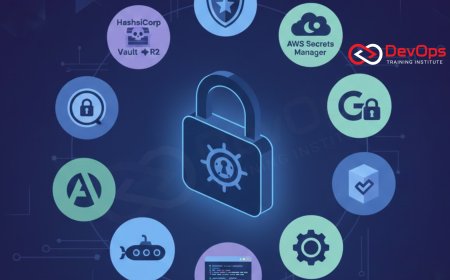
- Use HashiCorp Vault: Integrate external secret managers like Vault with GitHub Actions for centralized, enterprise grade secret governance and auditing.
- Implement Manual Approvals: Require human sign off for workflows that use sensitive production secrets to prevent unauthorized deployments.
- Mask Secret Output: Always ensure that your secrets are properly masked in the Action logs to prevent accidental exposure during debugging sessions.
- Restrict Runner Access: Only allow trusted repositories to run workflows on your self hosted infrastructure to prevent malicious secret exfiltration.
- Use Dependabot Secrets: Properly configure secrets for Dependabot so it can update private dependencies without manual human intervention.
- Audit Secret Access: Regularly review GitHub's audit logs to see which workflows and users have accessed sensitive secrets in your organization.
- Continuous Verification: Use feedback loops to ensure your automated security policies are actually being enforced as expected across all repositories.
Mastering these twelve strategies will transform your GitHub Actions from a basic script runner into a world class automation engine. It requires a disciplined approach to how data is handled and a willingness to adopt newer, more secure protocols as they become available. As you implement these techniques, you will find that your team can move faster with less fear of security incidents. This maturity in automation is a key indicator of a high performing DevOps team that is ready for the challenges of twenty twenty six. By focusing on secret security, you are building a foundation of trust that enables your developers to innovate with complete confidence in their delivery tools.
Conclusion on Secure GitHub Automation
In conclusion, the effective use of GitHub Secrets is the difference between a fragile automation setup and a resilient, enterprise grade delivery pipeline. By adopting environment scoping, OIDC for secretless authentication, and automated rotation, you can significantly improve your security posture while increasing your operational speed. These twelve secrets provide a comprehensive roadmap for any team looking to optimize their GitHub Actions and protect their software supply chain. The goal is to make security a seamless part of the developer experience, where the right way to manage secrets is also the easiest way.
As you look toward the future, the role of AI augmented devops will likely further simplify the management and detection of sensitive data. Staying informed about AI augmented devops trends will ensure your automation stays ahead of potential threats. Ultimately, the strength of your automation depends on the security of its credentials. By prioritizing these best practices today, you are ensuring that your organization is well prepared for the complexities of modern cloud native software delivery. Start by auditing your current secrets and implementing OIDC to take your first step toward a more secure and automated future for your engineering organization.
Frequently Asked Questions
What are GitHub Secrets and why are they important?
GitHub Secrets are encrypted variables that allow you to store sensitive information like API keys securely for use in automated GitHub Actions workflows.
Is it safe to store production passwords in GitHub Secrets?
Yes, GitHub encrypts secrets at rest, but for maximum security, you should use environment-specific scoping and frequent rotation of all your credentials.
What is the benefit of using OIDC over static secrets?
OIDC eliminates the need for long-lived keys by using short-lived, dynamic tokens for cloud authentication, which significantly reduces the risk of credential leakage.
How do I prevent my secrets from appearing in the build logs?
GitHub automatically attempts to mask secrets that are printed to the logs, but you should still avoid explicitly echoing them in your scripts.
Can I share secrets across multiple repositories in my organization?
Yes, you can define Organization Secrets and manage which specific repositories have permission to access them for their automated CI/CD workflows and tasks.
What is secret scanning in GitHub?
Secret scanning is a feature that searches your code for known types of secrets and alerts you if they are accidentally committed in plain text.
How do environment secrets differ from repository secrets?
Environment secrets are only accessible to jobs targeting a specific environment, allowing for stricter control over production credentials and deployment approval rules.
Can Dependabot access my repository secrets?
By default, no; you must specifically define Dependabot Secrets if you want it to access private registries or other protected external services and data.
What happens if a GitHub Secret is compromised?
You should immediately rotate the secret in the external service and update the value in GitHub to prevent further unauthorized access and damage.
How many secrets can I have in a single repository?
GitHub allows up to one hundred secrets per repository, which is more than enough for most complex automation and deployment needs in DevOps.
Do GitHub Secrets expire automatically?
No, the secrets themselves do not expire, but the credentials they store (like API tokens) might have their own expiration dates set by the provider.
Can I update GitHub Secrets using the command line?
Yes, you can use the GitHub CLI (gh) to manage, list, and update your repository and environment secrets directly from your local terminal session.
What is the "least privilege" principle for secrets?
It means granting a secret or a token only the minimum level of access required to perform its intended task and nothing more than that.
Should I use GitHub Secrets or an external vault like HashiCorp?
GitHub Secrets are great for simple needs, but large enterprises often use external vaults for centralized management and more advanced auditing and compliance features.
How can I audit who accessed my secrets?
You can check the organization or repository audit logs to see when secrets were created, updated, or accessed by specific GitHub Actions workflows.
What's Your Reaction?
 Like
0
Like
0
 Dislike
0
Dislike
0
 Love
0
Love
0
 Funny
0
Funny
0
 Angry
0
Angry
0
 Sad
0
Sad
0
 Wow
0
Wow
0




![100+ Azure DevOps Interview Questions and Answers [Updated 2025]](https://www.devopstraininginstitute.com/blog/uploads/images/202509/image_140x98_68c40aa9a3834.jpg)






![Future Scope of DevOps Careers in Pune [Updated 2025]](https://www.devopstraininginstitute.com/blog/uploads/images/202510/image_140x98_68e3a84652312.jpg)