





![Kong Interview Preparation Guide [2025]](https://www.devopstraininginstitute.com/blog/uploads/images/202509/image_430x256_68dbb95326997.jpg)




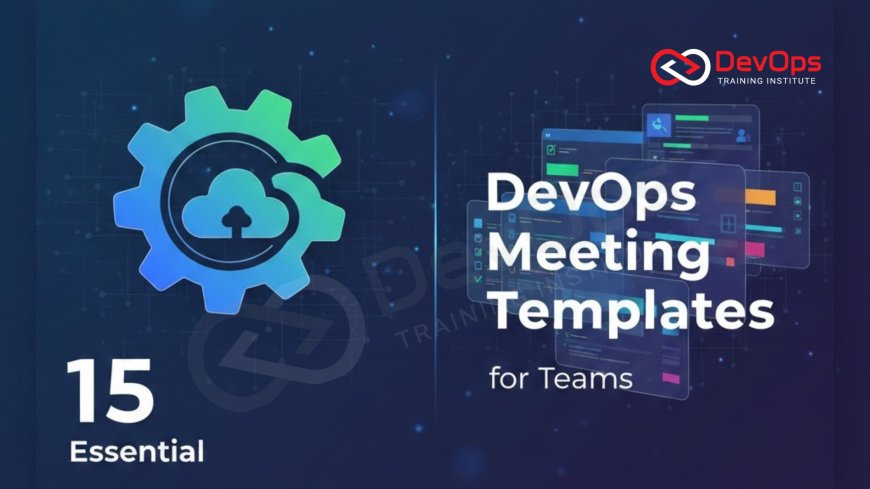
15 Essential DevOps Meeting Templates for Teams
Discover the ultimate guide to fifteen essential DevOps meeting templates designed to enhance team collaboration, streamline communication, and boost operational efficiency. This comprehensive resource covers everything from daily standups and sprint planning to post-incident reviews and architectural syncs. Learn how structured templates can help your engineering team maintain alignment, reduce meeting fatigue, and foster a culture of continuous improvement across the entire software development lifecycle in a fast-paced technology environment today.
Introduction to Structured Team Communication
In the high pressure world of modern software delivery, effective communication is often the difference between a successful release and a major outage. While DevOps emphasizes automation and technical solutions, the human element remains the most critical component of the system. Meetings are necessary for alignment, but without structure, they can quickly become a source of frustration and wasted time for busy engineers. Implementing 15 essential DevOps meeting templates for teams provides the clarity and focus needed to turn discussions into actionable outcomes.
This guide explores a variety of meeting formats tailored specifically for the unique challenges faced by operations and development teams. By using standardized templates, you ensure that every participant knows the objective, the required inputs, and the expected results. This organized approach reduces cognitive load and allows the team to spend more time on innovation and less time on logistical confusion. Whether you are managing a small startup or a large enterprise, these templates will help you build a more cohesive and efficient engineering culture that prioritizes clear and transparent dialogue.
Daily Standup and Operational Syncs
The daily standup is the heartbeat of the DevOps lifecycle, providing a quick check in on progress and blockers. However, a traditional standup can sometimes feel repetitive or fail to address operational concerns. A specialized template for this meeting should include updates on active deployments, recent alerts from monitoring systems, and any immediate threats to system stability. This ensures that both developers and operations staff are aware of the current state of the production environment at the start of every day.
Operational syncs are slightly longer meetings that dive deeper into the health of the infrastructure. These are essential for maintaining a high standard of reliability and performance across distributed systems. By having a clear agenda that covers resource usage, error rates, and upcoming maintenance windows, teams can stay proactive rather than reactive. This type of synchronization is a core part of platform engineering as it helps bridge the gap between individual service needs and the global health of the shared infrastructure foundation.
Post-Incident Reviews and Learning from Failure
When an outage occurs, the initial focus is always on restoration. However, the true value for a resilient team comes from the post-incident review. A blameless retrospective template is vital for understanding the root cause and identifying long term fixes. This template should guide the conversation through a timeline of events, the impact on users, and the specific triggers that led to the failure. It is about learning from the system's behavior rather than finding a person to blame for the mistake.
To truly improve system robustness, many teams are now integrating chaos engineering experiments into their post-mortem actions. By documenting these experiments in the meeting template, teams can verify that their proposed fixes actually work under stress. This systematic approach to failure ensures that the organization grows stronger with every incident. It transforms a stressful experience into a structured learning opportunity, building a more resilient and self-healing environment that can withstand the unpredictable challenges of a modern digital landscape.
Planning for Resilient Releases and Deployments
Release planning meetings are critical for coordinating complex changes across multiple teams. A robust template for this discussion should cover deployment dependencies, rollback procedures, and the specific metrics that will define a successful launch. This ensures that everyone involved knows their role and the emergency protocols if things go wrong. High visibility during these planning sessions reduces the anxiety associated with major production updates and fosters a sense of shared responsibility for the outcome.
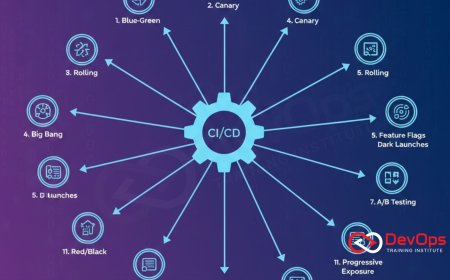
Advanced teams often use these meetings to discuss sophisticated rollout strategies like a canary release where traffic is gradually shifted to the new version. The template should include thresholds for stopping the rollout if errors increase. By having these criteria agreed upon in advance, the team can act decisively and quickly. This level of preparation is what separates top tier engineering organizations from those that struggle with frequent deployment failures and inconsistent user experiences, ensuring that every release is a step forward for the platform.
Table: Core DevOps Meeting Templates Overview
| Template Type | Primary Focus | Key Participants | Critical Outcome |
|---|---|---|---|
| Daily Standup | Daily progress and blockers | Full Engineering Team | Immediate team alignment |
| Sprint Planning | Defining goals for the cycle | DevOps Lead, Engineers | Clear task backlog |
| Post-Mortem | Root cause and action items | Incident Responders, SREs | Preventative measures list |
| Architecture Sync | System design review | Architects, Senior Devs | Approved design documents |
| Security Audit | Vulnerability assessment | Security Team, DevOps | Mitigation plan |
Integrating Security and Compliance Syncs
Security should never be an afterthought in a modern delivery pipeline. Specialized security syncs ensure that vulnerabilities are identified and addressed before they reach the production environment. These templates should focus on the results of recent automated scans, upcoming compliance audits, and any new threats identified in the industry. By making security a regular part of the team's dialogue, you foster a culture where everyone feels responsible for protecting user data and system integrity.
This approach is fundamental to how does devsecops integrate security into every stage of the devops lifecycle. The template should encourage discussion on how to automate security checks further and reduce the manual burden on the team. This proactive stance prevents security from becoming a bottleneck at the end of the development process. Instead, it becomes a seamless part of the workflow, allowing the organization to maintain a high velocity while ensuring that every release meets the required safety and regulatory standards for a production grade system.
Cost Management and Resource Optimization
As cloud environments grow, managing costs becomes a significant challenge for engineering teams. A specialized meeting template for resource optimization focuses on cloud spending, underutilized resources, and potential savings. This discussion ensures that the team is aware of the financial impact of their architectural decisions. It’s about finding the right balance between high performance and cost efficiency, which is vital for the long term sustainability of any cloud native business model.
These meetings are the core of how finops helps optimize cloud spend in devops driven teams. The template should guide the team to look for "orphaned" resources, evaluate the sizing of their clusters, and consider reserved instances for stable workloads. By automating the reporting aspect of this meeting, teams can focus on strategic optimization rather than just reading spreadsheets. This financial accountability ensures that the organization gets the most value out of its cloud investment, allowing for more innovation without ballooning infrastructure budgets.
Observability and System Health Reviews
A high performing DevOps team must have a deep understanding of their system's behavior. Regular observability reviews focus on interpreting the data gathered from logs, metrics, and traces. The template for this meeting should include a review of service level objectives, error budget consumption, and any unusual patterns in user traffic. This provides a holistic view of the system that goes beyond simple "up or down" status checks and helps in identifying subtle performance regressions.
Understanding the observability vs monitoring distinction is important for these reviews. The template should encourage engineers to ask "why" a system is behaving a certain way rather than just "what" happened. By diving into distributed traces and log correlations, the team can find the root cause of complex issues much faster. This data driven approach to system health ensures that the platform remains performant and reliable, providing a consistent and high quality experience for every end user regardless of the global load.
Automation and Tooling Strategy Syncs
The tools and scripts that power your pipeline need regular maintenance and evaluation. Automation syncs provide a dedicated time for the team to discuss the efficiency of their current CI and CD processes. The template for this meeting should cover build times, failure rates of automated tests, and the health of the container orchestration layer. This ensures that the team's "glue code" is just as robust and well maintained as the primary application code, preventing the build process from becoming a source of friction.
These meetings are also the perfect time to discuss gitops and how it can further enhance infrastructure automation. The template should guide the team to look for manual steps that can still be eliminated and to evaluate new tools that might improve their workflow. By continuously refining their automation strategy, teams can reduce manual toil and increase the speed of delivery. This commitment to technical excellence ensures that the infrastructure remains flexible and capable of supporting the evolving needs of the development team and the business as a whole.
- Daily Standup: Focuses on the immediate 24 hour window of work and blockers.
- Sprint Planning: Looking ahead at the goals for the next two to four weeks.
- Incident Retrospective: A deep dive into past failures to prevent future ones.
- Architecture Review: Ensuring that new designs follow established best practices.
- Security Review: Continuous assessment of the system's defensive posture.
- Cost Optimization: Strategic look at cloud spending and resource waste.
Conclusion
The success of a DevOps transformation is built on a foundation of clear, structured, and consistent communication. By implementing these 15 essential meeting templates, teams can navigate the complexities of modern software delivery with greater ease and confidence. We have explored how specialized agendas for standups, incident reviews, and security syncs can improve alignment and reduce manual toil. Furthermore, by integrating concepts like FinOps and GitOps into regular discussions, teams can maintain a high standard of operational and financial excellence. These templates are not just about filling out forms; they are about creating a space where engineers can collaborate effectively, learn from failures, and continuously improve their systems. As your team grows and evolves, feel free to adapt these formats to suit your specific needs and challenges. The ultimate goal is to build a resilient and innovative culture that can deliver high quality software faster and more reliably than ever before. Effective meetings are the catalyst for this growth, turning a collection of talented individuals into a high performing, unified team ready for the digital age.
Frequently Asked Questions
What is a daily standup in DevOps?
A daily standup is a short meeting where team members share progress, plan for the day, and identify any immediate blockers.
How long should a DevOps meeting be?
Standups should be under 15 minutes, while strategic reviews like sprint planning or retrospectives can take between one and two hours.
Why use templates for engineering meetings?
Templates provide structure, ensure critical topics are not missed, and keep the discussion focused on actionable outcomes and measurable goals.
Who should attend an incident review?
Key incident responders, relevant engineers, and site reliability experts should attend to provide a complete picture of the failure events.
How often should security syncs occur?
Security syncs should happen at least once a week or more frequently if high priority vulnerabilities are identified in the pipeline.
What is a blameless retrospective?
It is a meeting focused on system failures and process improvements rather than assigning blame to specific individuals for mistakes made.
Can meetings help reduce cloud costs?
Yes, dedicated FinOps meetings help teams identify unused resources and optimize their architecture to reduce unnecessary cloud spending effectively.
What is the goal of an architecture sync?
The goal is to review new designs for scalability, security, and performance before any code is actually written or deployed.
How do I handle meeting fatigue?
Using structured templates, setting clear agendas, and only inviting essential participants can significantly reduce fatigue and increase meeting value.
Should we discuss automation in every meeting?
While not in every meeting, dedicated syncs for tooling ensure that your automation scripts remain efficient and up to date.
What are the benefits of release planning?
Release planning reduces deployment risk by ensuring all dependencies and rollback procedures are clearly understood by the entire team.
How do I measure meeting effectiveness?
Effectiveness is measured by the clarity of the action items produced and whether the meeting goals defined in the template were met.
Can remote teams use these templates?
Absolutely, these templates are highly effective for remote teams using digital whiteboards or shared documents to maintain alignment across time zones.
What is a "golden path" in platform engineering?
It is a pre-approved and automated set of tools and practices that developers can follow to deploy services safely and quickly.
How do feature flags help during meetings?
By using feature flags, teams can discuss merging code without the pressure of an immediate user release, simplifying release planning meetings.
What's Your Reaction?
 Like
0
Like
0
 Dislike
0
Dislike
0
 Love
0
Love
0
 Funny
0
Funny
0
 Angry
0
Angry
0
 Sad
0
Sad
0
 Wow
0
Wow
0

![100+ Azure DevOps Interview Questions and Answers [Updated 2025]](https://www.devopstraininginstitute.com/blog/uploads/images/202509/image_140x98_68c40aa9a3834.jpg)






![Future Scope of DevOps Careers in Pune [Updated 2025]](https://www.devopstraininginstitute.com/blog/uploads/images/202510/image_140x98_68e3a84652312.jpg)