

![Kong Interview Preparation Guide [2025]](https://www.devopstraininginstitute.com/blog/uploads/images/202509/image_430x256_68dbb95326997.jpg)


12 DevOps Compliance Tools to Meet Industry Standards
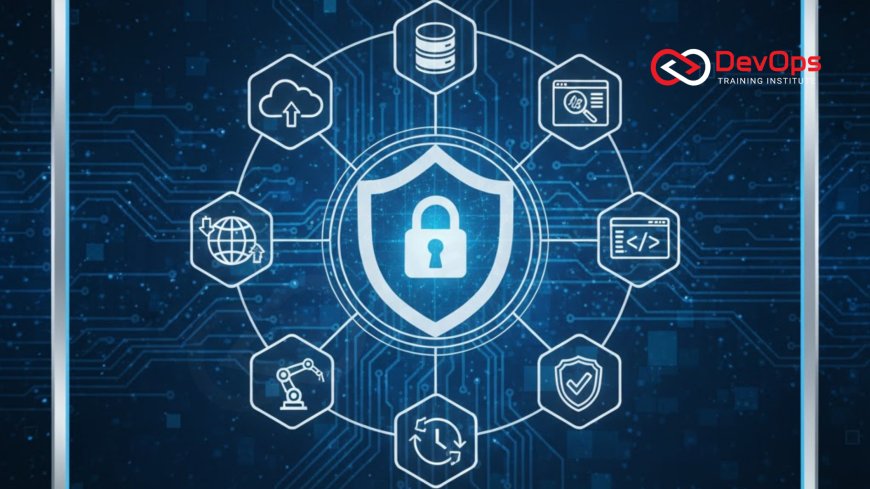
In the rapidly evolving world of software development, maintaining regulatory alignment is critical for success. This detailed guide explores the twelve most effective DevOps compliance tools designed to help engineering teams meet rigorous industry standards such as HIPAA, GDPR, and PCI DSS in twenty twenty six. Learn how to automate security audits, enforce policy as code, and ensure continuous governance across your entire cloud infrastructure. By integrating these advanced compliance solutions into your CI CD pipelines, you can reduce the risk of costly violations, streamline evidence collection, and accelerate your time to market while maintaining a secure and trustworthy digital environment for your users today.
Introduction to Modern DevOps Compliance
DevOps compliance is the strategic practice of integrating regulatory, security, and legal requirements directly into the automated software development lifecycle. In the past, compliance was often a manual, gatekeeper driven process that occurred just before a major release, frequently causing significant delays and friction between teams. Today, however, high performing organizations treat compliance as a continuous effort that is baked into every code commit and infrastructure change. This proactive approach ensures that systems remain secure and audit ready at all times, rather than just once a quarter during a stressful review period.
As we navigate through twenty twenty six, the complexity of global regulations continues to grow, making manual tracking virtually impossible for large scale operations. Tools that offer automated policy enforcement and real time monitoring have become essential for maintaining trust with customers and avoiding heavy financial penalties. By adopting a compliance as code mindset, DevOps teams can define their regulatory boundaries using the same version control systems they use for their applications. This shift not only improves security but also empowers developers to move faster, knowing that the automated guardrails will catch potential violations long before they reach a production environment.
The Shift Toward Compliance as Code
Compliance as code is a revolutionary concept that allows technical teams to translate abstract legal requirements into executable scripts and configuration files. This means that instead of relying on a static PDF of security policies, the system itself can verify that every database is encrypted and every user has the correct permissions. By using tools like Terraform or Ansible, engineers can ensure that their architecture patterns inherently follow industry best practices from the moment they are provisioned. This automation reduces human error and provides a clear, versioned history of how compliance has been maintained over time.
Furthermore, this methodology fosters a shared sense of responsibility across the entire organization. When compliance rules are transparent and integrated into the daily workflow, it triggers a positive cultural change where security is seen as a feature rather than a hurdle. Developers gain immediate feedback through their continuous verification loops, allowing them to fix issues during the coding phase when it is cheapest to do so. This alignment between engineering goals and regulatory needs is what enables modern businesses to scale securely in an increasingly scrutinized digital landscape where data privacy is paramount.
Automating Evidence Collection for Audits
One of the most time consuming aspects of maintaining compliance is the manual gathering of evidence to prove that security controls are functioning correctly. In a traditional setting, this involves taking screenshots, exporting logs, and digging through emails to find approval records. Modern DevOps compliance tools solve this by automatically collecting and centralizing this evidence in real time. This ensures that when an auditor asks for proof of a specific control, the data is already organized and ready for review, significantly reducing the administrative burden on the engineering and legal teams.
Automated evidence collection also provides a much higher level of accuracy compared to manual processes. It eliminates the "point in time" limitation of traditional audits, replacing it with a continuous stream of data that proves the system was compliant every single day of the year. This constant state of readiness is a core benefit of using ChatOps techniques to receive live updates on compliance status directly in your team's communication channels. By having an always on audit trail, organizations can respond to inquiries with confidence and demonstrate a superior level of operational integrity to their stakeholders and partners.
Integrating Security into CI CD Pipelines
The CI CD pipeline is the perfect place to enforce compliance standards without slowing down the development process. By adding automated scanning steps, teams can check for vulnerabilities in third party libraries, misconfigurations in infrastructure code, and even sensitive data leaks before any code is merged. Integrating secret scanning tools into the pipeline is a critical first step for any organization looking to prevent credential leakage in their public or private repositories. These automated checks act as a final safety net, ensuring that only compliant code reaches your users.
Beyond simple vulnerability scanning, advanced pipelines now include policy as code checks that validate the entire deployment against organizational standards. For instance, a pipeline can be configured to fail if a developer attempts to launch a resource in a region that is not approved for data residency. This level of granular control is essential for global companies managing complex cluster states across multiple cloud providers. By making compliance a non negotiable part of the release strategies, you create a robust defense in depth strategy that protects both the business and its customers from the risks of non compliance.
Top DevOps Compliance Tools for 2026
| Tool Name | Compliance Focus | Key Feature | Integration Type |
|---|---|---|---|
| Drata | SOC 2, ISO 27001 | Continuous evidence collection | Cloud API / Agentless |
| Prisma Cloud | Multi Cloud Security | Runtime policy enforcement | CNAPP Platform |
| Vanta | HIPAA, GDPR | Automated risk monitoring | SaaS Integration |
| Wiz | Full Stack Compliance | Agentless scanning | Snapshot analysis |
| AccuKnox | Zero Trust / K8s | Policy-as-Code automation | IaC & Runtime |
Governance Across Multi Cloud Environments
As organizations increasingly adopt multi cloud and hybrid strategies, maintaining a consistent compliance posture becomes exponentially more difficult. Different cloud providers have different native security tools, making it easy for discrepancies to slip through the cracks. Modern compliance platforms provide a "single pane of glass" view that aggregates data from AWS, Azure, and Google Cloud, ensuring that your incident handling procedures and security policies are applied uniformly everywhere. This centralized governance is vital for large enterprises that must adhere to strict data sovereignty laws across various international jurisdictions.
These tools often include pre built templates for common regulatory frameworks, allowing you to quickly map your existing infrastructure to the requirements of HIPAA or PCI DSS. They can automatically detect drift where a manual change in one cloud environment has caused it to fall out of compliance with the global standard. Using GitOps to manage these multi cloud configurations ensures that every change is tracked and validated against your compliance baseline. This rigorous approach to governance minimizes the attack surface and provides a stable foundation for global business expansion in the cloud.
The Role of Policy as Code and Drift Detection
Policy as code is the technical backbone of modern DevOps compliance, allowing teams to treat their legal and security rules with the same rigor as their application logic. By using languages like Rego (from Open Policy Agent), teams can write fine grained rules that govern everything from resource tagging to network ingress. This approach enables automated testing of policies before they are even applied to the environment. When combined with continuous drift detection, it ensures that if a resource is manually modified in a way that violates a policy, the system can either alert the team or automatically revert the change to a compliant state.
Implementing admission controllers within your Kubernetes clusters is a highly effective way to enforce these policies at the runtime level. These controllers can intercept requests to the API server and reject any that don't meet security requirements, such as containers running with root privileges. This prevents non compliant workloads from ever entering your production environment. This level of automation is what differentiates a truly modern DevOps team from one that is still struggling with manual checks and balances. It creates a self healing infrastructure that maintains its own integrity despite the rapid pace of change in the software delivery cycle.
Essential Tools for Your Compliance Stack
- Drata: A leading platform for automating SOC 2 and ISO 27001 compliance through continuous monitoring and evidence collection.
- Prisma Cloud: Offers comprehensive security and compliance across the entire cloud native stack, from code to cloud.
- Vanta: Simplifies the compliance process for startups and mid sized companies by providing automated monitoring for various frameworks.
- Wiz: Known for its powerful agentless scanning that provides instant visibility into security risks and compliance gaps in cloud environments.
- AccuKnox: Provides a security first approach to infrastructure management with built in compliance as code and drift remediation.
- Snyk: Essential for identifying and fixing vulnerabilities in open source libraries and container images as part of the development workflow.
- Aqua Security: Focuses on securing containerized and serverless workloads, ensuring they meet strict regulatory and security standards.
- Lacework: Uses machine learning and behavioral analytics to detect anomalies and automate threat prevention across multi cloud setups.
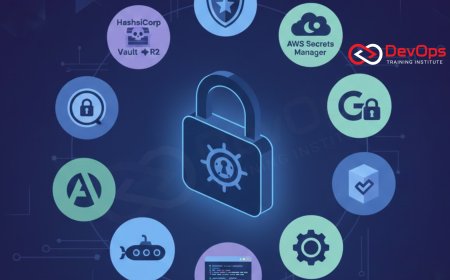
- HashiCorp Vault: While primarily for secrets management, it is critical for meeting compliance requirements related to data encryption and access control.
- AuditBoard: An enterprise grade platform for managing risk, governance, and compliance workflows at a global scale.
- Sprinto: Tailored for SaaS companies looking to automate their compliance journeys and get audit ready in record time.
- Checkov: An open source static analysis tool for infrastructure as code that prevents misconfigurations before they are deployed.
Selecting the right mix of these tools depends on your industry and the specific regulations you are subject to. For example, a healthcare company will prioritize HIPAA focused features, while a retail organization will look for robust PCI DSS reporting. It is also important to consider the technical overhead of each tool and how well it integrates with your existing AI augmented devops toolchain. By choosing tools that provide continuous verification, you ensure that your compliance posture is not just a checkbox but a lived reality of your engineering operations. Using the right containerd runtime and security policies further solidifies this technical foundation.
Conclusion: Embracing Continuous Governance
In conclusion, the era of treating compliance as a separate, manual task is over. To thrive in the modern landscape, DevOps teams must embrace continuous governance through the use of automated compliance tools and the philosophy of compliance as code. By integrating these twelve essential tools into your daily workflows, you can build systems that are inherently secure, transparent, and ready for any audit. This shift not only protects your organization from legal and financial risks but also builds a foundation of trust with your users and partners that is essential for long term growth.
As you move forward, remember that the most successful compliance programs are those that prioritize automation and cross functional collaboration. Use ChatOps techniques to stay informed and foster a culture where every engineer is empowered to maintain high standards. The future of software delivery is one where compliance and speed go hand in hand, driven by sophisticated release strategies and real time feedback. By investing in the right compliance stack today, you are ensuring that your technical innovation remains sustainable and secure in the face of ever changing global regulations and security threats.
Frequently Asked Questions
What is the primary benefit of automating DevOps compliance?
Automating compliance reduces human error, provides real time audit readiness, and allows teams to release secure software much faster than manual processes.
How does policy as code help with industry standards?
It translates complex regulatory requirements into executable rules that automatically prevent non compliant infrastructure from being deployed into production environments.
Can these tools help with GDPR and HIPAA?
Yes, many modern compliance tools offer specialized templates and automated checks specifically designed for major frameworks like GDPR, HIPAA, and SOC 2.
What is drift detection in a compliance context?
Drift detection is the process of automatically identifying when an environment's actual configuration deviates from its intended, compliant, and versioned code state.
Is it possible to be audit ready every day?
By using continuous monitoring and automated evidence collection tools, organizations can maintain a state where they are ready for an audit at any time.
How does a sidecar pattern assist with compliance?
The sidecar pattern can handle tasks like encryption and logging for a service, ensuring these compliance requirements are met without changing application code.
What role do admission controllers play in Kubernetes compliance?
Admission controllers act as gatekeepers, automatically rejecting any deployment requests that do not comply with the pre defined security and governance policies.
Do these tools replace the need for a compliance officer?
No, they are designed to augment the compliance officer's work by automating the technical verification and evidence gathering parts of the job.
Can I integrate compliance checks into my existing CI CD pipeline?
Absolutely, most compliance tools provide APIs and plugins that allow you to add automated scanning steps directly into your development and deployment workflows.
What is the difference between security and compliance in DevOps?
Security focuses on protecting the system from threats, while compliance focuses on meeting specific legal and regulatory requirements through documented evidence.
Why is evidence collection so difficult in traditional audits?
Traditional evidence collection is manual, often relying on historical logs and screenshots that are difficult to gather and organize under tight deadlines.
How do managed compliance platforms handle multi cloud setups?
Managed platforms aggregate data from all cloud providers into a single dashboard, applying unified policies across the entire distributed infrastructure for consistency.
Is compliance as code expensive to implement?
While there is an initial investment in tools and training, it saves significant money over time by preventing costly violations and reducing audit toil.
What is the first step toward achieving continuous compliance?
The first step is to define your compliance requirements in a machine readable format and integrate a basic scanning tool into your pipeline.
Does DevOps compliance affect the developer experience?
When done correctly, it improves the experience by providing clear guidelines and immediate feedback, reducing the need for late stage security fixes.
What's Your Reaction?
 Like
0
Like
0
 Dislike
0
Dislike
0
 Love
0
Love
0
 Funny
0
Funny
0
 Angry
0
Angry
0
 Sad
0
Sad
0
 Wow
0
Wow
0

![100+ Azure DevOps Interview Questions and Answers [Updated 2025]](https://www.devopstraininginstitute.com/blog/uploads/images/202509/image_140x98_68c40aa9a3834.jpg)





![Future Scope of DevOps Careers in Pune [Updated 2025]](https://www.devopstraininginstitute.com/blog/uploads/images/202510/image_140x98_68e3a84652312.jpg)