

![Kong Interview Preparation Guide [2025]](https://www.devopstraininginstitute.com/blog/uploads/images/202509/image_430x256_68dbb95326997.jpg)

18 DevOps Innovations Driven by AI Tools
Explore the transformative power of artificial intelligence in the engineering world with our deep dive into eighteen major DevOps innovations driven by AI tools. This extensive guide explains how machine learning and predictive analytics are reshaping the software delivery lifecycle, from automated code generation to intelligent incident response. Learn how your team can leverage these cutting edge technologies to improve efficiency, reduce downtime, and stay competitive in the rapidly evolving technical landscape of twenty twenty six. Discover the future of automation and how AI is becoming the essential partner for modern DevOps professionals aiming for excellence in every deployment and system update today.
The Dawn of AI-Augmented DevOps
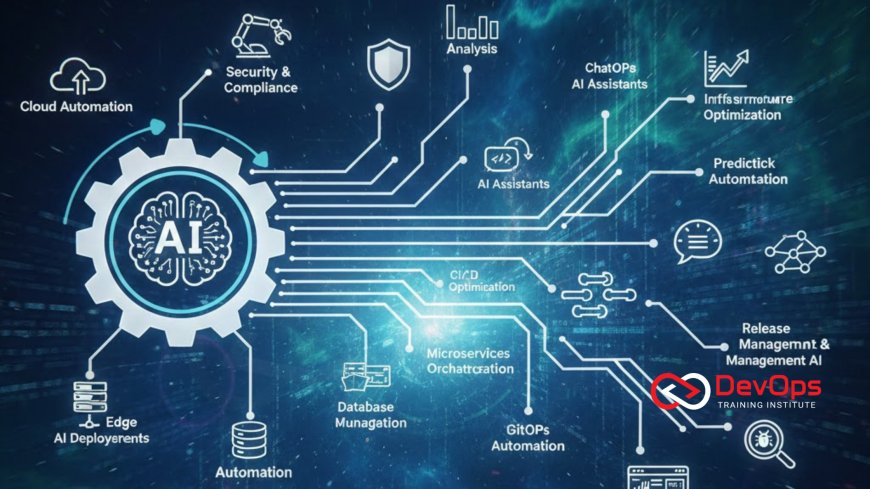
The integration of artificial intelligence into the software development lifecycle is not just a trend; it is a fundamental shift in how we build and maintain complex digital systems. As we move into twenty twenty six, engineering teams are increasingly relying on machine learning models to handle tasks that were previously manual and error prone. These innovations are allowing developers to focus on creative problem solving while the machines manage the repetitive and data heavy aspects of the pipeline. The result is a more resilient, efficient, and intelligent approach to delivering high quality software at a global scale.
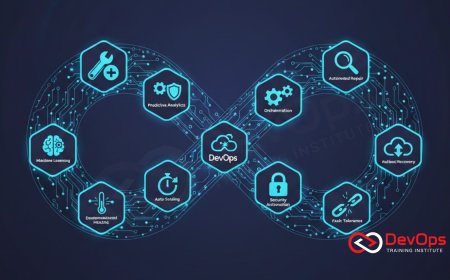
From the early stages of planning to the final moments of a production release, AI is providing insights that were once hidden in massive datasets. By analyzing historical patterns, these tools can predict potential failures, suggest code optimizations, and even automate the remediation of common system issues. This evolution is driven by the need for speed and reliability in an increasingly competitive market. Understanding these AI augmented devops innovations is essential for any technical professional looking to lead their organization through the next wave of digital transformation and technical growth.
Intelligent Code Generation and Review
One of the most visible innovations is the rise of AI powered coding assistants that can generate entire functions based on simple natural language prompts. These tools are trained on billions of lines of open source code, allowing them to suggest best practices and identify potential bugs as the developer is writing. This not only speeds up the development process but also helps in maintaining a high standard of code quality across the entire organization. It acts as a permanent pair programmer that is always available to offer suggestions and alternative implementations for complex logic.
Beyond generation, AI is transforming the code review process by automatically flagging security vulnerabilities and performance bottlenecks. Traditional static analysis tools often produce a high number of false positives, but AI models can understand the context of the code to provide more accurate and actionable feedback. This ensures that only the best code makes it into the repository, reducing the burden on human reviewers and accelerating the overall delivery cycle. By integrating these tools into your release strategies, you can ensure that security and quality are baked into every line of code from the very beginning of the project.
Predictive Analytics for Incident Management
Incident management is being revolutionized by AI tools that can predict system failures before they occur. By monitoring thousands of metrics in real time, these models can identify subtle anomalies that indicate an impending outage. This proactive approach allows DevOps teams to take corrective action before the user experience is impacted, significantly improving the overall reliability of the system. This move from reactive to predictive operations is a cornerstone of modern site reliability engineering and is essential for managing large scale, distributed cloud environments where manual monitoring is no longer sufficient.
When an incident does occur, AI powered tools can drastically reduce the mean time to recovery by automatically correlating alerts and identifying the root cause. Instead of digging through mountains of logs, engineers receive a summarized report that points directly to the source of the problem. Utilizing ChatOps techniques, these insights can be delivered directly to the team's communication channels, allowing for immediate collaboration and resolution. This innovation not only saves time but also reduces the stress and burnout often associated with on call rotations in high pressure engineering environments.
Automated Testing and Quality Assurance
The field of quality assurance is seeing a massive shift as AI takes over the creation and maintenance of automated test suites. Traditional testing scripts are often brittle and require frequent updates as the user interface changes, but AI driven testing tools can adapt to these changes automatically. They use visual recognition and machine learning to understand how an application should behave, allowing them to identify regressions without the need for manual script adjustments. This leads to more robust testing and a significant reduction in the time required to validate new features before they are released.
Furthermore, AI can optimize the testing process by identifying which tests are most likely to fail based on the changes made to the code. This "test impact analysis" allows teams to run a smaller, more relevant set of tests for every pull request, speeding up the feedback loop for developers. By incorporating continuous verification into the testing phase, teams can ensure that their applications meet performance and security standards in real time. This innovation is critical for maintaining high velocity in a continuous delivery environment where every minute saved in the testing phase translates to faster value for the end customer.
DevOps AI Innovation Comparison Table
| Innovation Area | AI Tool Role | Primary Benefit | Technical Focus |
|---|---|---|---|
| Predictive Scaling | Traffic forecasting | Cost and performance optimization | Auto scaling algorithms |
| Self Healing | Automated remediation | Reduced mean time to recovery | Incident response loops |
| Security Analysis | Anomaly detection | Faster threat identification | Vulnerability scanning |
| Log Summarization | Natural language processing | Easier troubleshooting | Observability data |
| Capacity Planning | Resource utilization models | Better infrastructure efficiency | Cloud spend management |
Innovating Cloud Infrastructure Management
Managing modern cloud environments has become too complex for manual intervention alone. AI is driving innovations in how we manage architecture patterns by automatically optimizing resource allocation. These tools can analyze workload patterns and adjust server sizes, database configurations, and network settings in real time to ensure peak performance at the lowest possible cost. This dynamic optimization is essential for organizations that experience fluctuating traffic and want to avoid the waste of over provisioning their infrastructure in the cloud.
In addition to optimization, AI is enabling the rise of self healing infrastructure. When a component fails or performance degrades, the AI can automatically trigger a replacement or a configuration change to restore service without human intervention. This is particularly powerful in containerized environments where AI can manage the health of cluster states and ensure that applications are always running in their desired configuration. By using containerd and other lightweight runtimes, these AI agents can react in seconds, providing a level of resilience that was previously impossible to achieve with manual operations alone.
AI-Driven Security and Compliance
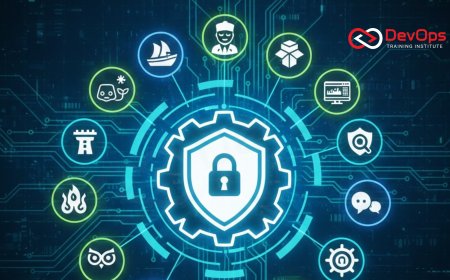
Security is another area where AI is making a massive impact by automating the detection and mitigation of threats. Traditional security tools rely on known signatures, but AI can identify new and evolving attack patterns by analyzing network traffic and user behavior for anomalies. This allows organizations to stay ahead of cybercriminals and protect their data more effectively. Integrating AI into the DevSecOps pipeline ensures that security is a continuous process rather than a final check, helping teams maintain compliance with complex global regulations without slowing down the development process.
AI tools are also being used to automate the management of sensitive information. By utilizing secret scanning tools powered by machine learning, teams can ensure that API keys and passwords are never accidentally exposed in code repositories. Furthermore, AI can help manage security policies within container clusters by using admission controllers to block the deployment of non compliant or vulnerable images. This automated governance provides a safety net for the organization, allowing developers to move fast while the AI ensures that all releases meet the required security standards for production use.
Key Innovations Reshaping the DevOps Future
- AIOps Platforms: Systems that combine big data and machine learning to automate all primary IT operations processes and monitoring.
- Intelligent Pipelines: CI CD pipelines that automatically adjust their stages and tests based on the risk profile of the code being deployed.
- Natural Language Queries: The ability for engineers to query logs and metrics using plain English instead of complex query languages.
- Automated Documentation: AI tools that generate and update technical documentation based on the latest code changes and infrastructure state.
- Chaos Engineering AI: Using machine learning to identify the most likely points of failure and automatically running chaos experiments to test resilience.
- Predictive Cost Management: Tools that forecast future cloud spending based on current usage patterns and suggest specific cost saving actions.
- GitOps Synchronization: Using GitOps alongside AI to ensure that the actual state of the infrastructure always matches the desired state defined in code.
These innovations are just the beginning of what is possible when we combine the power of artificial intelligence with the principles of DevOps. As the technology matures, we can expect to see even more sophisticated tools that can manage the entire software lifecycle with minimal human intervention. This will lead to a new era of engineering where the focus shifts from managing tools to managing outcomes and user experiences. Staying informed about these trends and experimenting with new AI driven tools will be the key to success for any modern technical team aiming for excellence in the digital age.
Conclusion: Embracing the AI DevOps Revolution
In conclusion, the eighteen innovations we have explored today demonstrate that artificial intelligence is no longer a futuristic concept but a present day reality for high performing DevOps teams. By automating code reviews, predicting incidents, and optimizing cloud infrastructure, AI is enabling engineers to build more stable and scalable systems than ever before. This shift toward intelligent automation is a necessary response to the growing complexity of modern software and the demand for constant innovation. Embracing these tools is not about replacing humans but about empowering them to do their best work with the support of advanced technology.
As you move forward, consider how you can integrate these AI driven innovations into your own workflows. Whether it is starting with faster release strategies or implementing more robust observability, the goal is to build a culture of continuous learning and improvement. The cultural change required to adopt AI is significant, but the rewards in terms of efficiency and reliability are well worth the effort. By staying at the forefront of these technical trends, you can ensure that your organization remains resilient and competitive in an ever changing digital world where intelligence and automation are the keys to lasting success.
Frequently Asked Questions
How is AI actually used in the daily work of a DevOps engineer?
AI helps by automating code reviews, predicting system failures, and optimizing server resources based on real time traffic patterns in the cloud.
Can AI tools help reduce the frequency of system outages?
Yes, AI can identify subtle warning signs of an impending failure, allowing teams to take proactive measures before a major outage occurs.
Is AI going to replace the need for human DevOps professionals?
No, AI is designed to augment human intelligence by handling repetitive tasks, allowing engineers to focus on complex strategy and architectural design.
What is AIOps and why does it matter for modern teams?
AIOps stands for Artificial Intelligence for IT Operations, and it matters because it automates monitoring and incident response for complex distributed systems.
How can AI improve the security of our software releases?
AI can detect unusual behavior patterns and vulnerabilities in code much faster and more accurately than traditional manual or rule based tools.
Do AI tools require a lot of data to be effective?
Yes, machine learning models need historical data from logs, metrics, and incidents to learn patterns and make accurate predictions for future events.
Can AI help with managing cloud infrastructure costs?
Absolutely, AI can forecast usage and automatically resize resources to ensure you only pay for what you actually need to maintain performance.
What is the biggest challenge in adopting AI for DevOps?
The biggest challenge is often the cultural shift and the initial effort required to integrate and train AI models for specific organizational needs.
How does AI impact the speed of the CI CD pipeline?
AI speeds up the pipeline by identifying the most important tests to run and automatically flagging errors before they reach the production stage.
Are there any ethical concerns with using AI in software engineering?
Yes, concerns include potential bias in code suggestions and the transparency of decisions made by automated systems during critical production incidents.
Can AI help in generating better technical documentation?
Yes, AI can analyze code changes and automatically update documentation, ensuring that it always reflects the current state of the application for developers.
How does AI work with Kubernetes and container orchestration?
AI can manage the health of clusters, scale pods based on predicted load, and even troubleshoot networking issues within the containerized environment automatically.
What role does natural language processing play in DevOps?
NLP allows engineers to search logs and interact with infrastructure using plain language, making the tools more accessible and easier to use quickly.
Can AI predict the success of a new software release?
By analyzing past releases and current system health, AI can provide a risk score that helps teams decide if a release is safe.
Where can I find the best AI tools for my DevOps team?
Many major cloud providers and DevOps vendors are integrating AI features directly into their platforms, making them easily accessible for existing teams.
What's Your Reaction?
 Like
0
Like
0
 Dislike
0
Dislike
0
 Love
0
Love
0
 Funny
0
Funny
0
 Angry
0
Angry
0
 Sad
0
Sad
0
 Wow
0
Wow
0

![100+ Azure DevOps Interview Questions and Answers [Updated 2025]](https://www.devopstraininginstitute.com/blog/uploads/images/202509/image_140x98_68c40aa9a3834.jpg)





![Future Scope of DevOps Careers in Pune [Updated 2025]](https://www.devopstraininginstitute.com/blog/uploads/images/202510/image_140x98_68e3a84652312.jpg)